





Carbon emissions are the carbon dioxide (CO2) and other greenhouse gases released into the atmosphere as a result of human activity. These gases contribute to global warming and environmental pollution and have a significant impact on our planet. While factors such as fossil fuel use, industrial activity and deforestation increase carbon emissions, the dangers and consequences of this situation leave devastating long-term effects on the entire ecosystem.
What Are Carbon Emissions?
Carbon emissions are the sum of the processes that increase carbon dioxide and other greenhouse gases in the atmosphere. These gases accumulate in the atmosphere, warming the planet like a greenhouse and leading to serious problems such as global warming and climate change. CO2 released when fossil fuels (coal, oil, natural gas) are burned is the most common source of carbon emissions. Human activities such as agriculture, deforestation and industry are other important factors that increase carbon emissions.
Causes of Carbon Emissions
Carbon emissions arise from human activities in different sectors. These activities release carbon dioxide and other greenhouse gases into the atmosphere, largely through the burning of fossil fuels, industrialization, agriculture and the destruction of forests. The main causes of carbon emissions are:
- Use of fossil fuels
- Industrial and manufacturing activities
- The transport sector
- Deforestation
- Agriculture and livestock farming
Use of Fossil Fuels
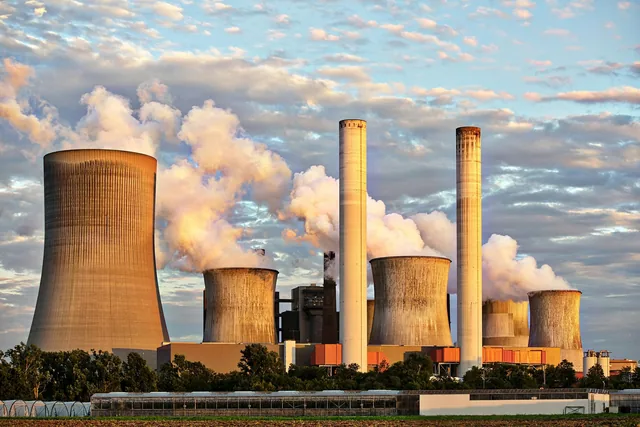
The use of fossil fuels such as coal, oil and natural gas for electricity generation, heating and transport is one of the biggest causes of carbon emissions. Burning fossil fuels to meet energy demand, especially in developed and developing countries, releases large amounts of carbon dioxide into the atmosphere.
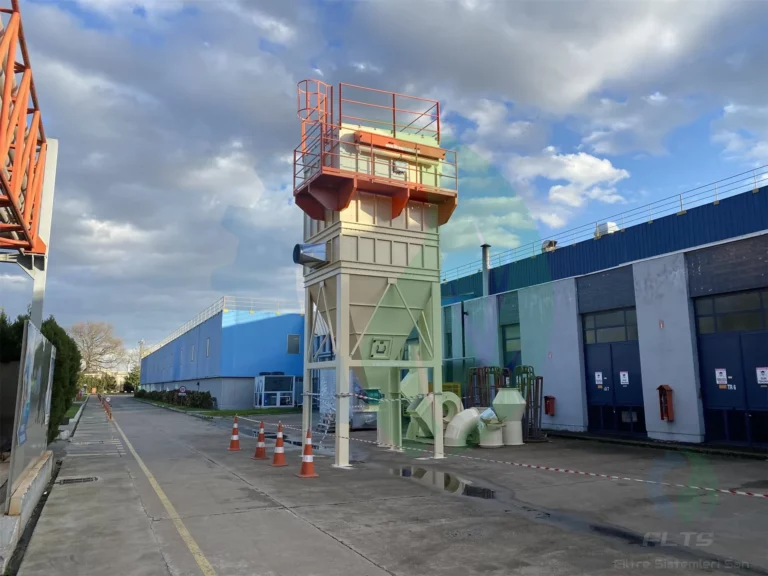
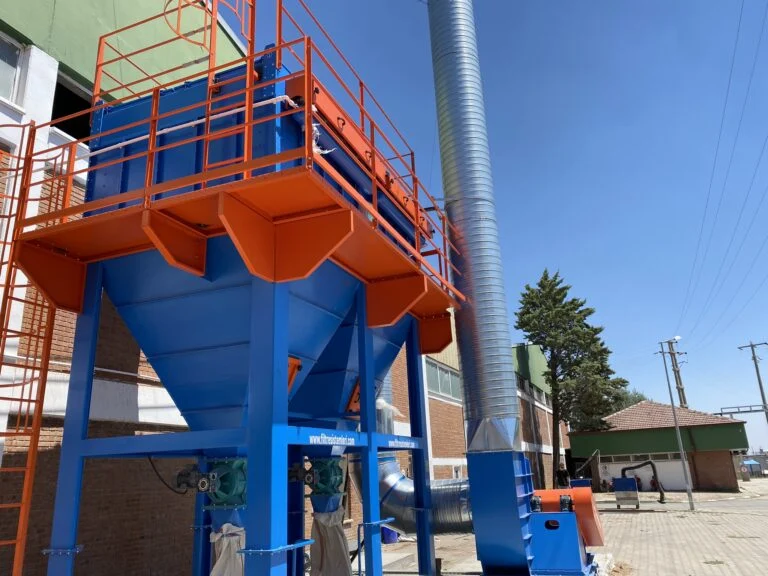
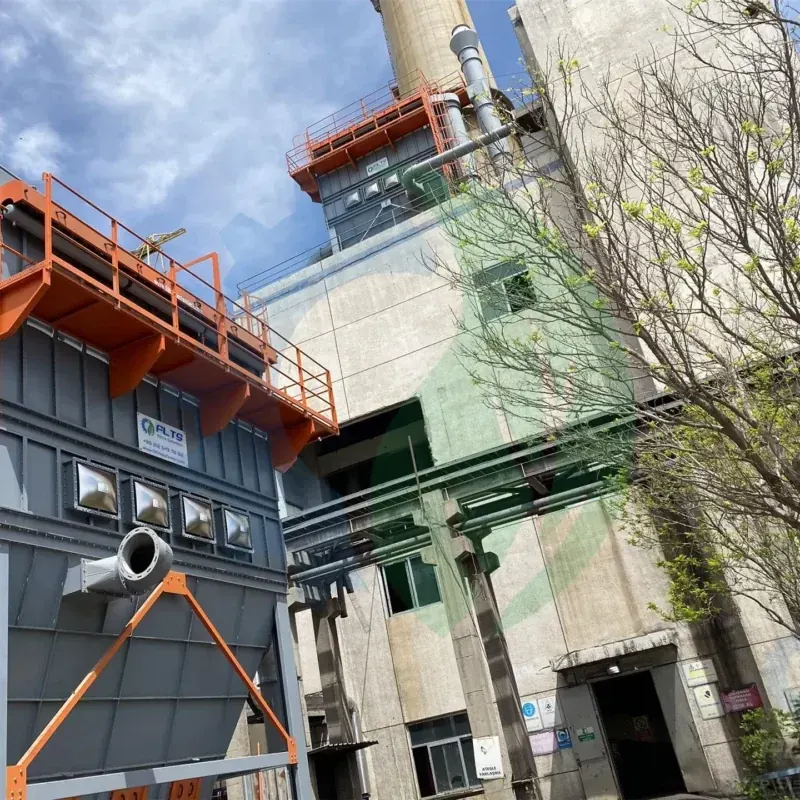
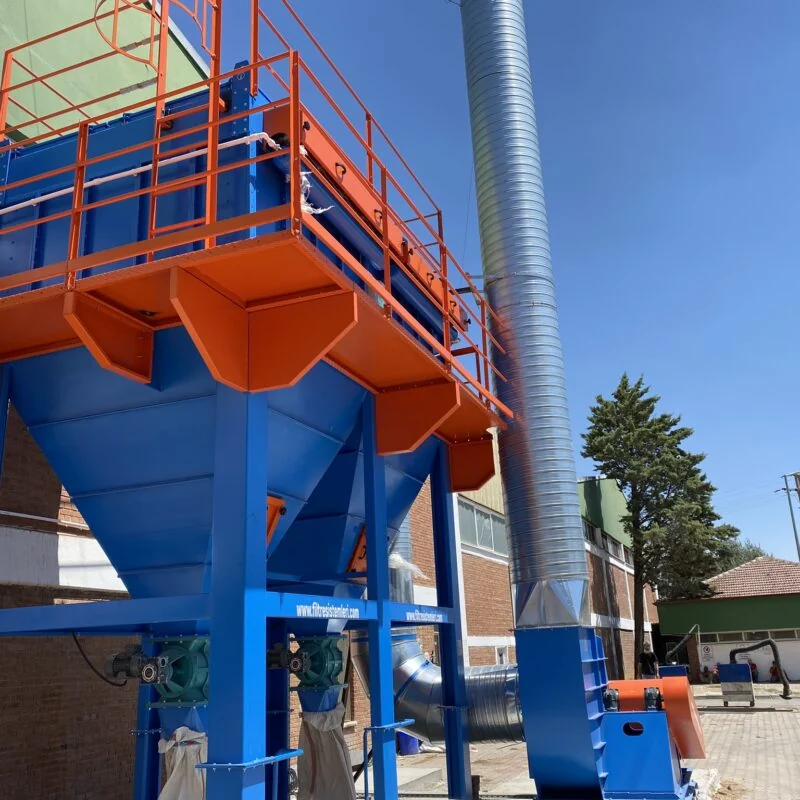
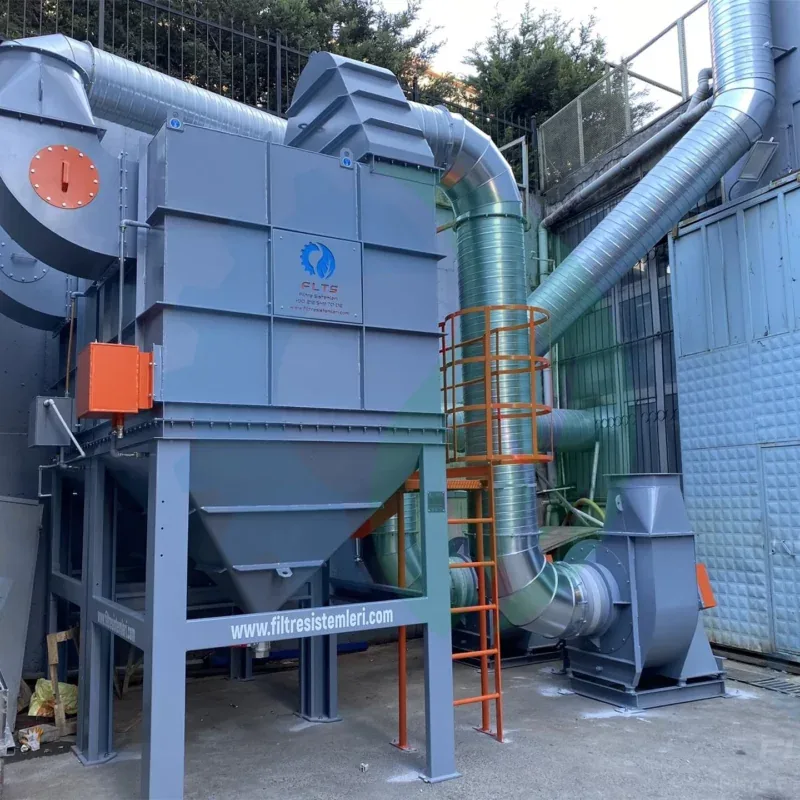
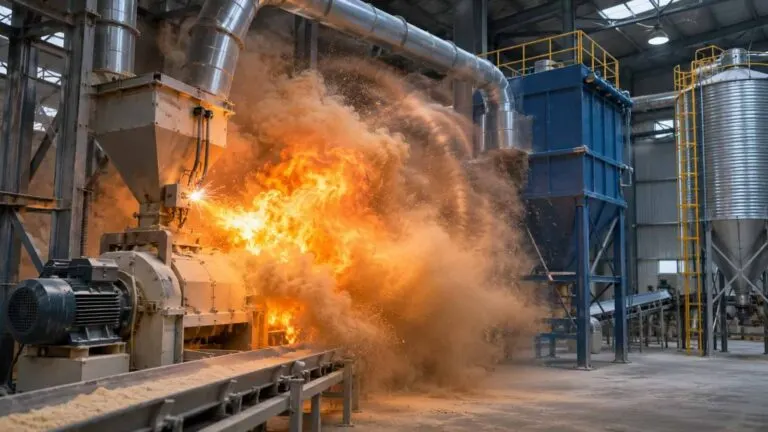
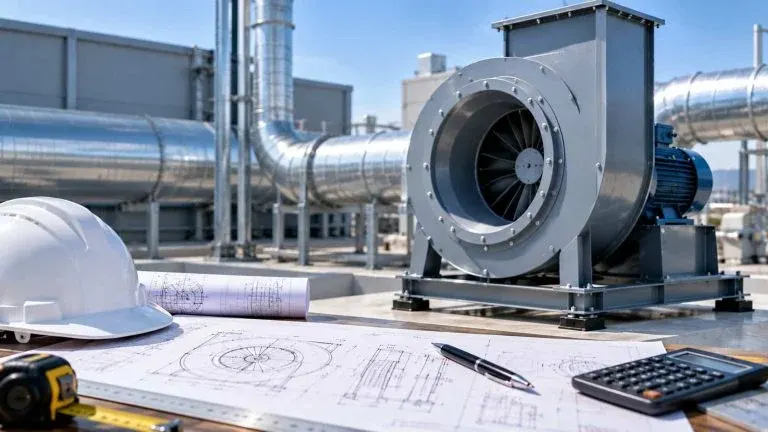
These gases increase air pollution and can cause serious harm to both the environment and human health. In industrial facilities, dust collection systems offer an important solution for reducing these negative effects. By filtering harmful substances from the air, these systems help keep carbon emissions under control and provide a cleaner working environment. In this way, environmental pollution can be minimized and sustainable production supported.
Industry and Transport
Factories, power plants and vehicles play a critical role in carbon emissions. Industrial facilities and cars produce large amounts of carbon dioxide and other greenhouse gases. These emissions reach serious levels, especially in countries with intensive production. China, the USA and India lead the list of countries with the highest carbon emissions.
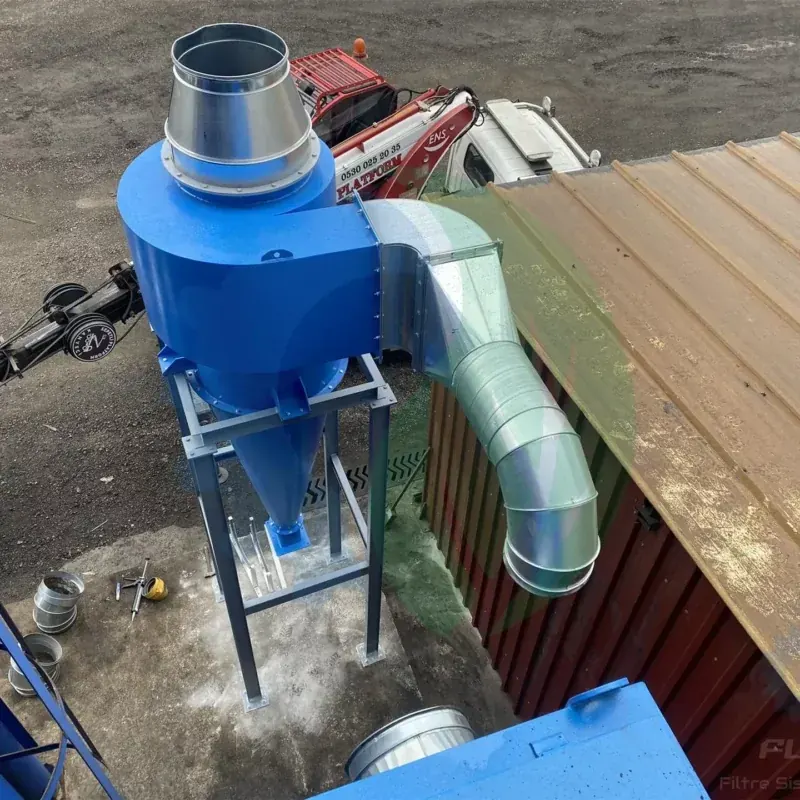
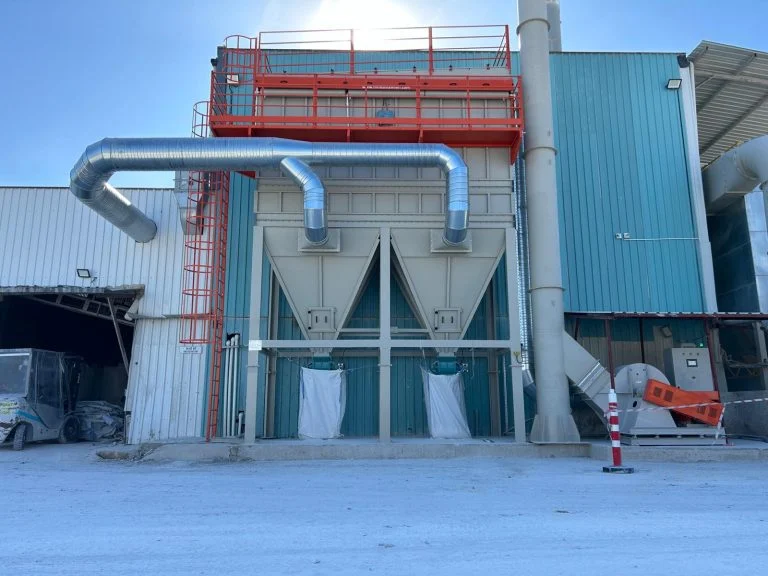
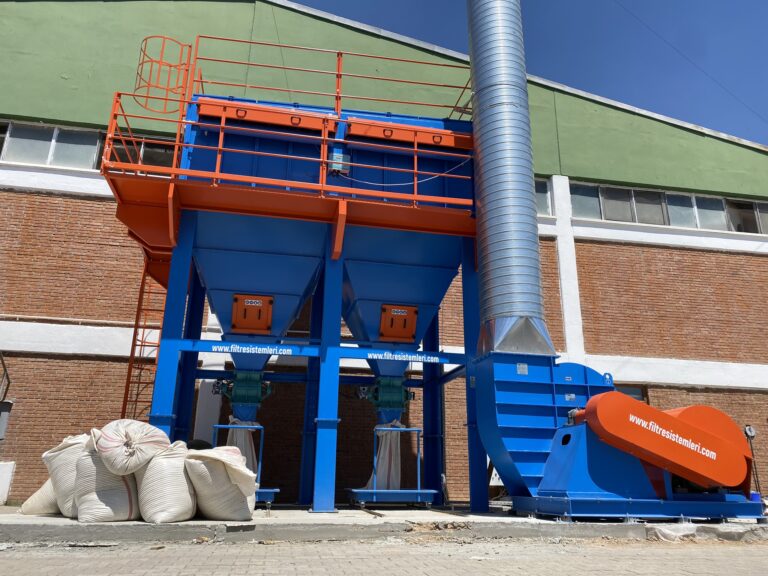
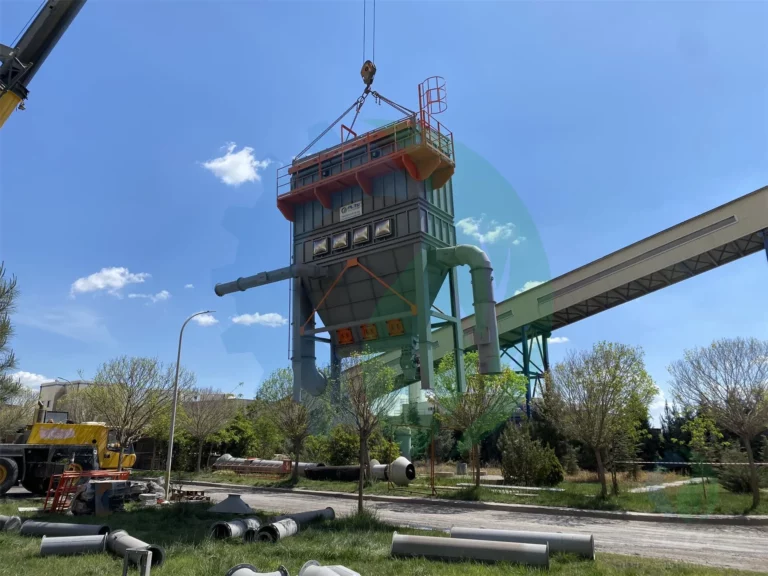
Advanced dust collection systems are very important for reducing carbon emissions and air pollution in industrial facilities. By filtering the harmful particles released into the atmosphere during production processes, these systems both minimize environmental damage and protect worker health. In particular, equipment such as Jet Pulse Bag Filters and Cyclone Filters operates with high efficiency in industrial environments and plays an important role in keeping carbon emissions under control. These solutions are indispensable for sustainable industry.
Deforestation
Forests are among the largest natural sinks that absorb carbon from the atmosphere. However, when forests are destroyed, this carbon is released back into the atmosphere. Deforestation both reduces carbon absorption and increases the amount of CO2 in the atmosphere, contributing to global warming.

The Dangers of Carbon Emissions
The harmful effects of carbon emissions have a serious impact on the environment. These effects harm not only the climate but also ecosystems and human health.
Global Warming and Climate Change
Carbon emissions cause greenhouse gases to accumulate in the atmosphere, raising the planet’s overall temperatures. This is called global warming, and in the long run it leads to major environmental changes such as climate change. These changes include extreme weather events, droughts and lower agricultural yields.
Melting Glaciers and Rising Sea Levels
Rising temperatures cause the polar ice to melt. Melting glaciers raise sea levels and threaten coastal regions. This can have serious consequences, up to and including the flooding of some islands and coastal cities.
Air Pollution and Health Problems
Carbon emissions also degrade air quality. This is directly linked to air pollution, especially in large cities. Air pollution can increase the risk of respiratory diseases such as asthma as well as cancer. In addition, toxic gases such as carbon monoxide pose direct dangers to human health.
Ways to Reduce Carbon Emissions
Reducing carbon emissions is one of the most effective ways to prevent global warming and environmental pollution. There are a number of measures that can be taken at both the individual and the societal level.
Using Renewable Energy
Renewable energy sources such as solar, wind and hydroelectric power are among the most effective ways to reduce carbon emissions. Using such clean energy sources instead of fossil fuels can significantly lower carbon emissions.
Saving Energy
Using devices that consume less energy and encouraging energy savings is one of the most effective ways of reducing carbon emissions at the individual level. Choosing energy-efficient lighting and appliances at home reduces both energy consumption and carbon emissions.
Planting Trees and Protecting Forests
Trees are natural filters that absorb carbon from the atmosphere. That is why protecting forests and planting trees play a very important role in reducing carbon emissions. Both individual and community afforestation projects are important steps toward lowering carbon emissions.