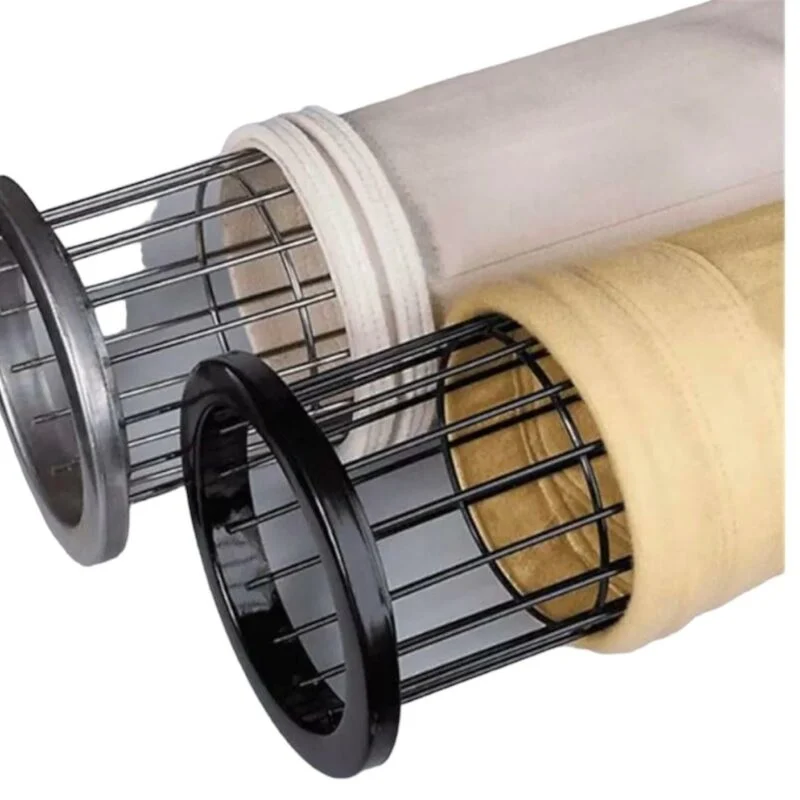





Pleated Bag Filter
18 February 2025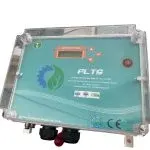
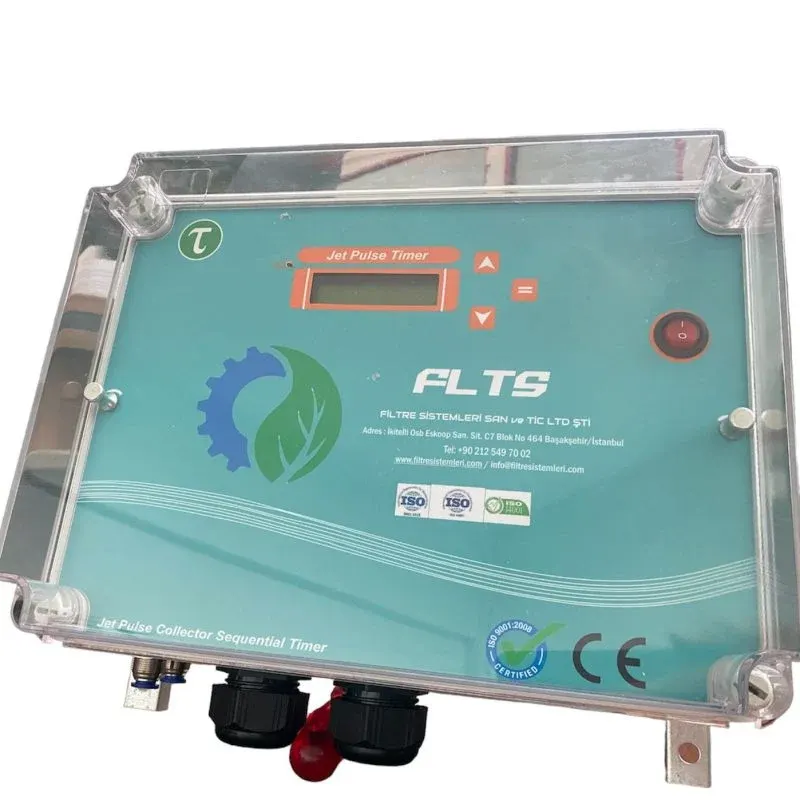
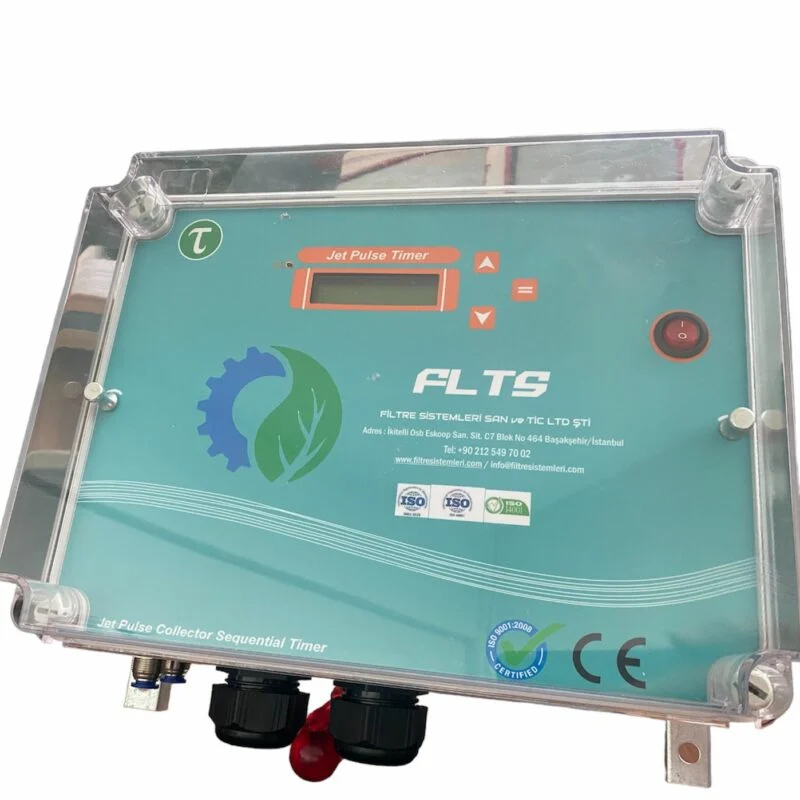
Pulse Valve Control Panel
19 June 2025
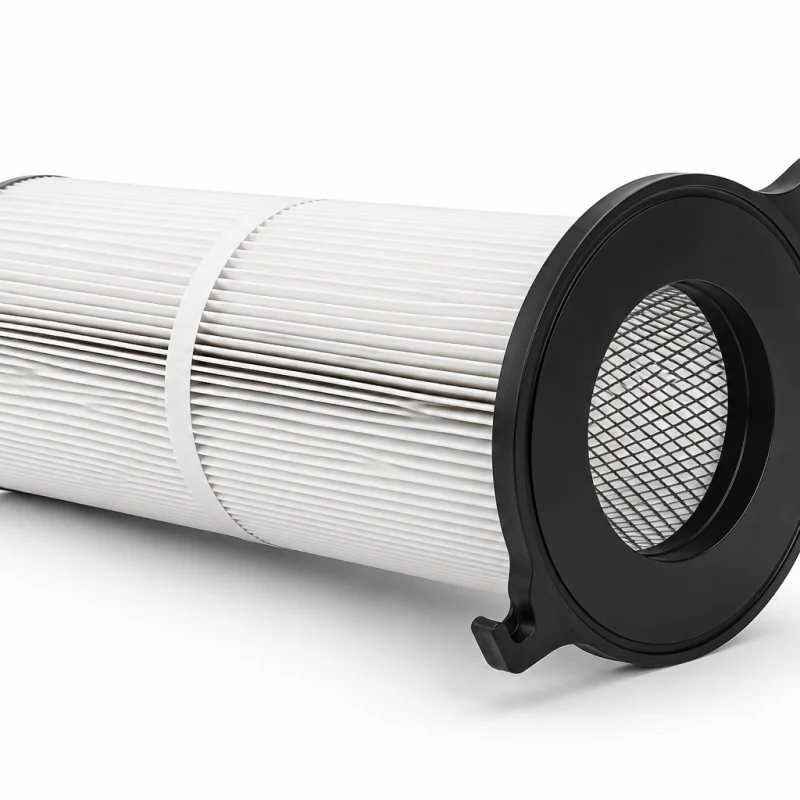
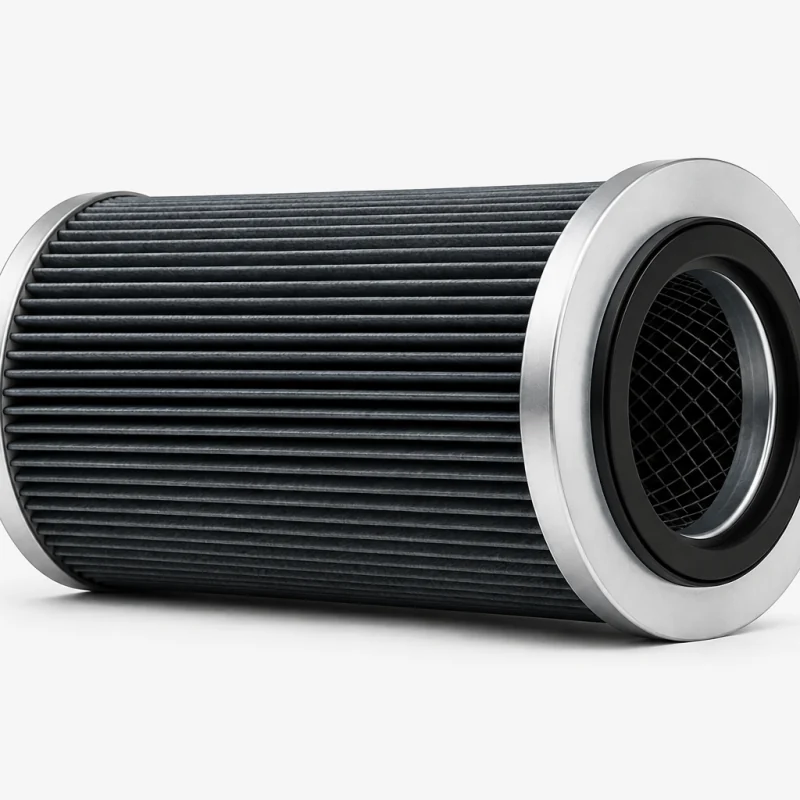
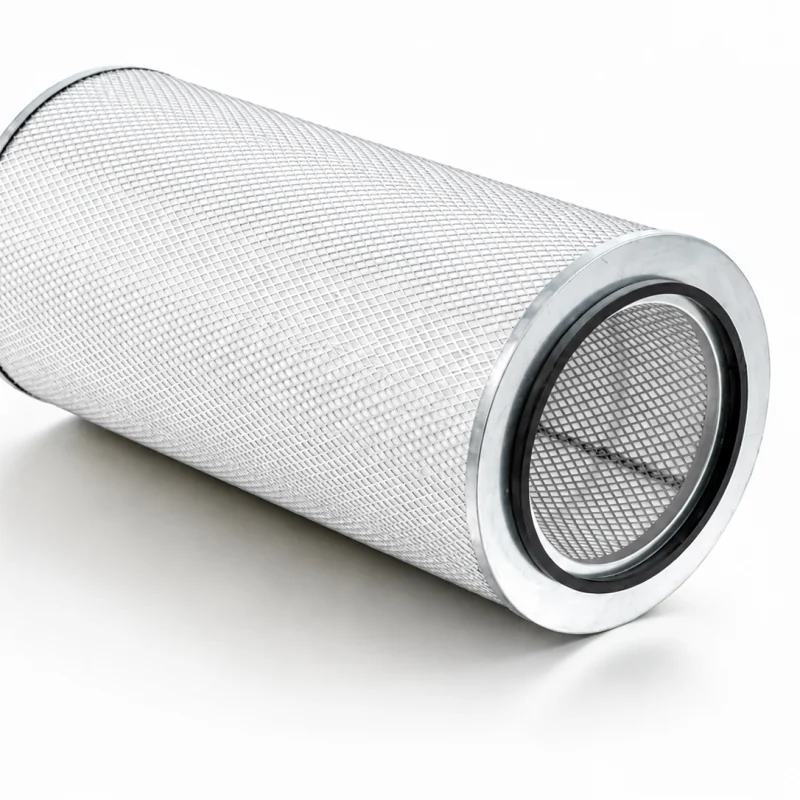
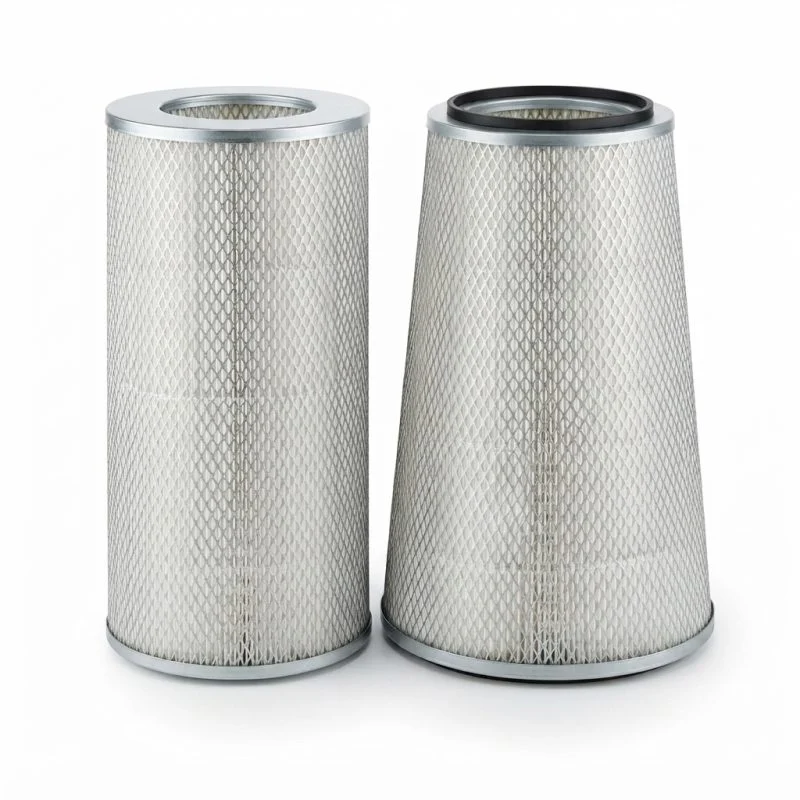
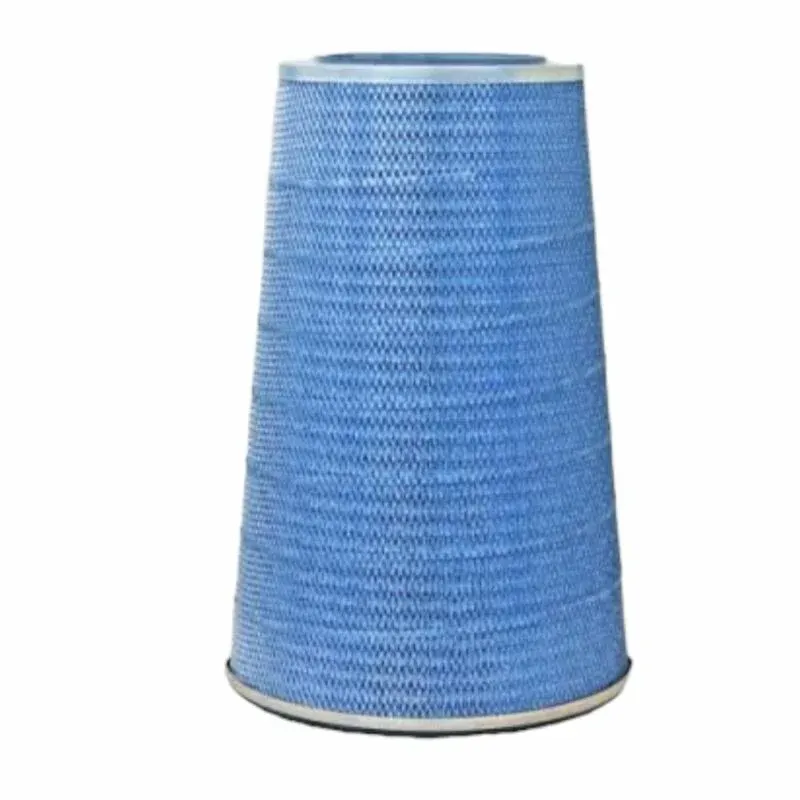

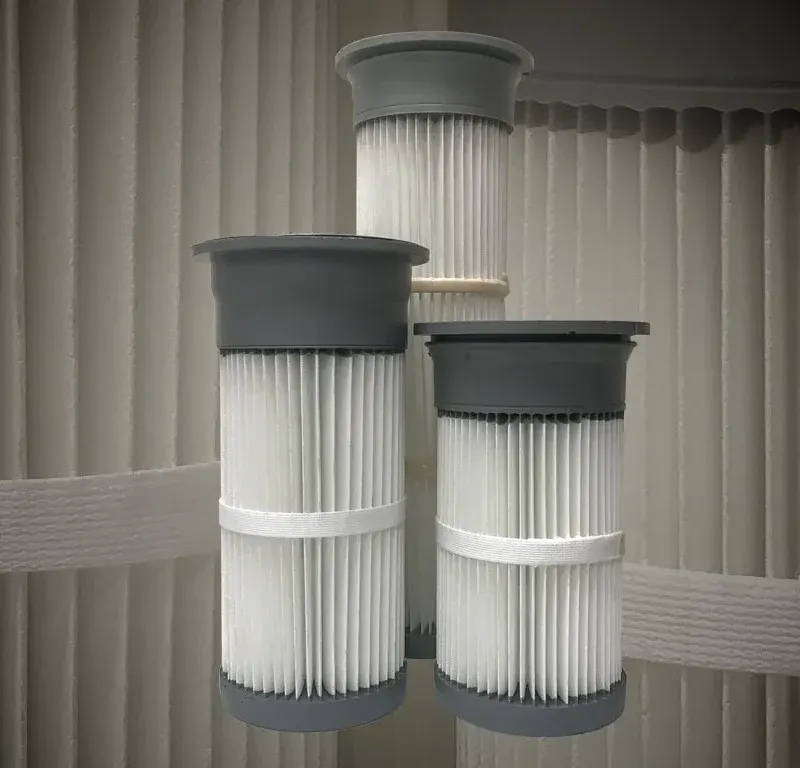
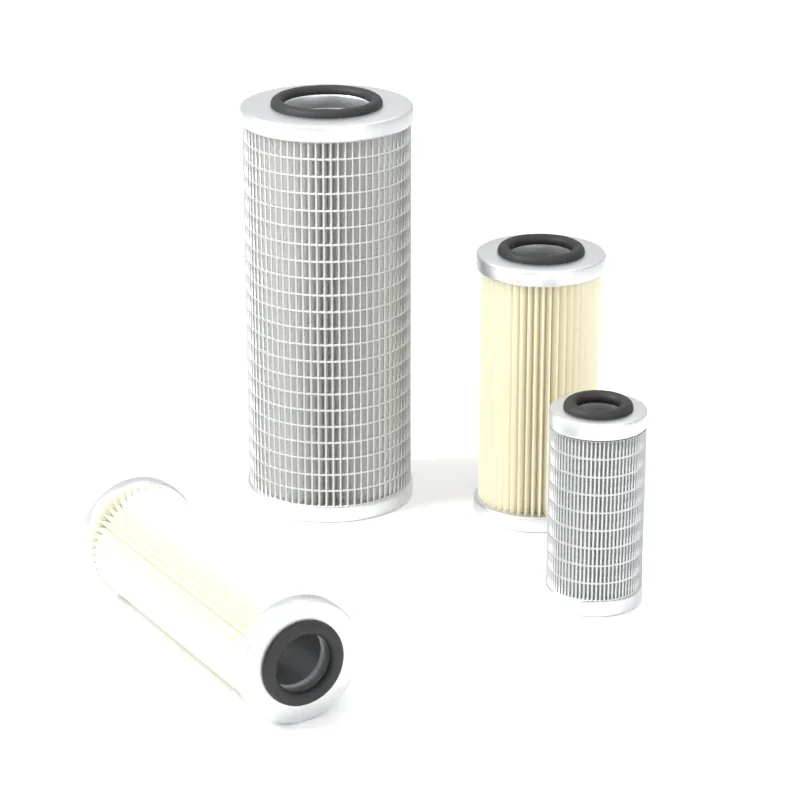
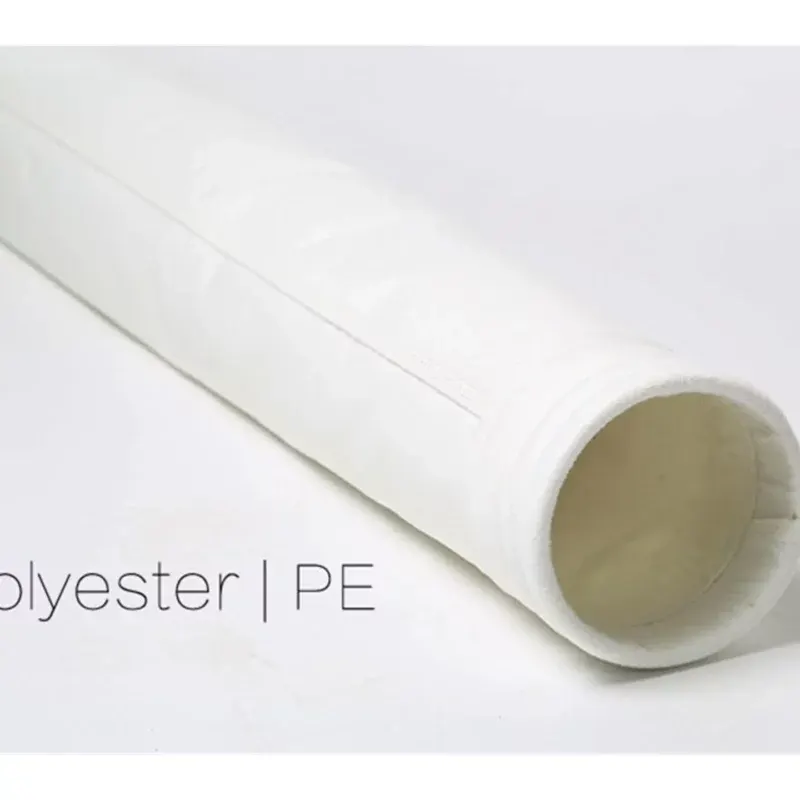
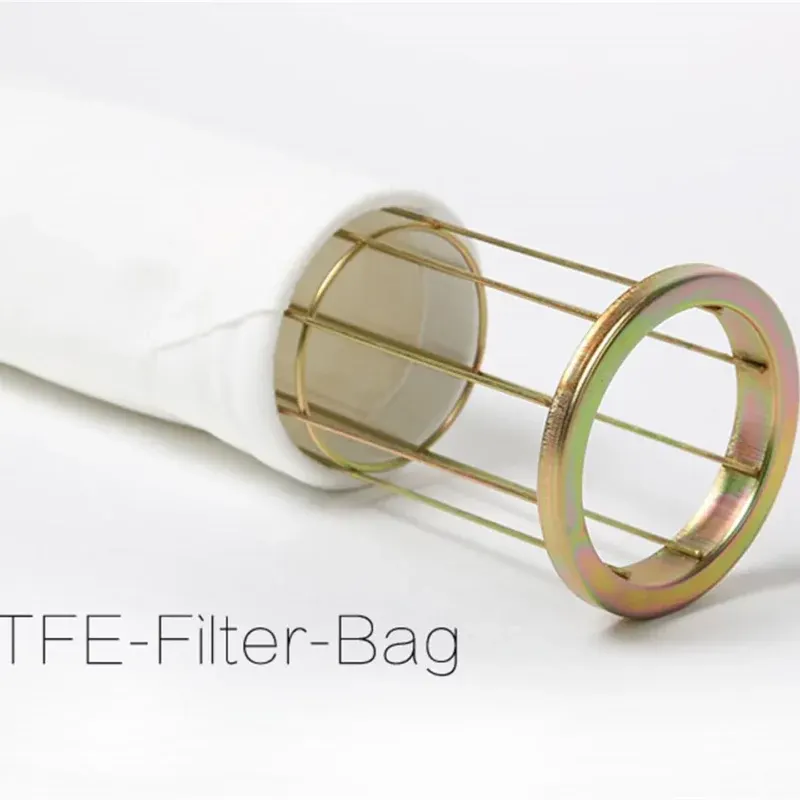
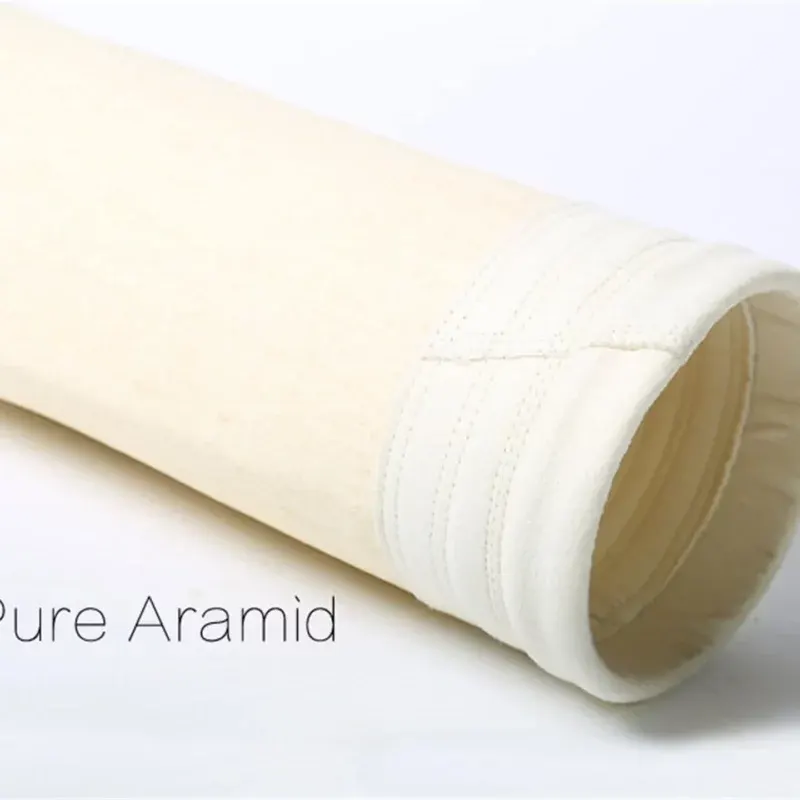
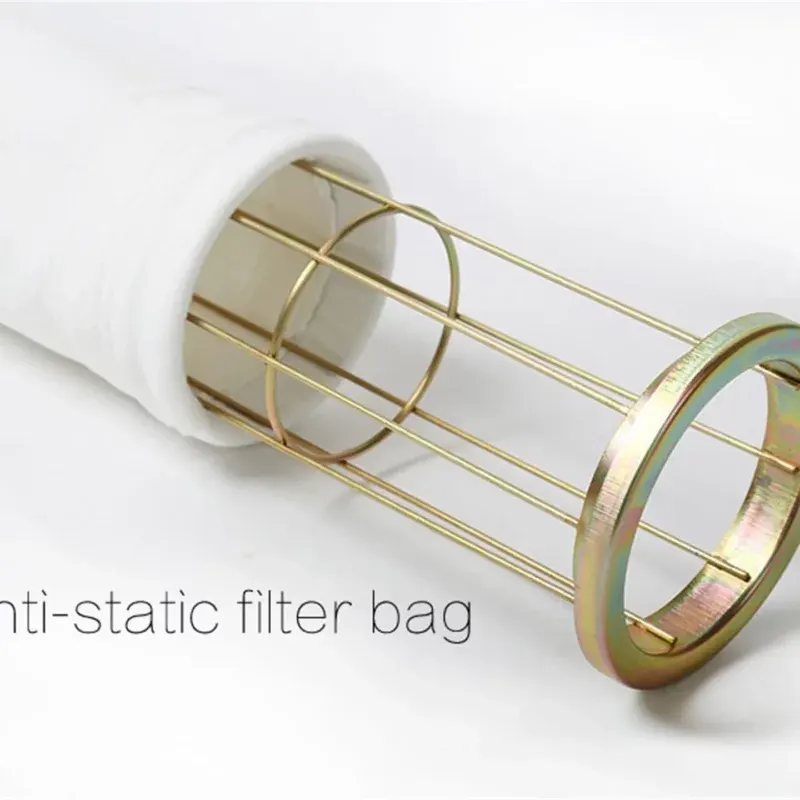
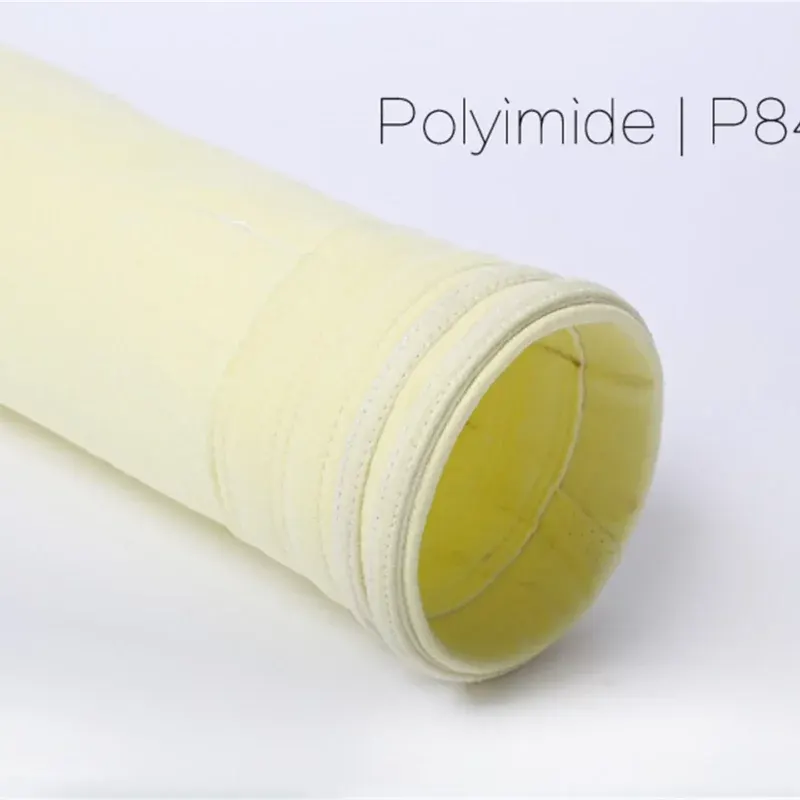
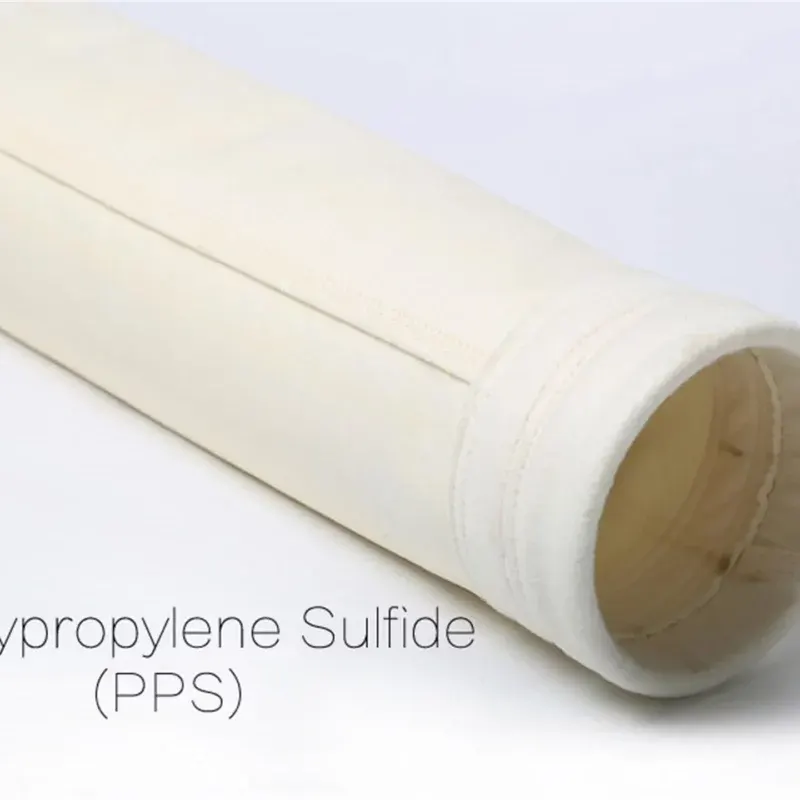
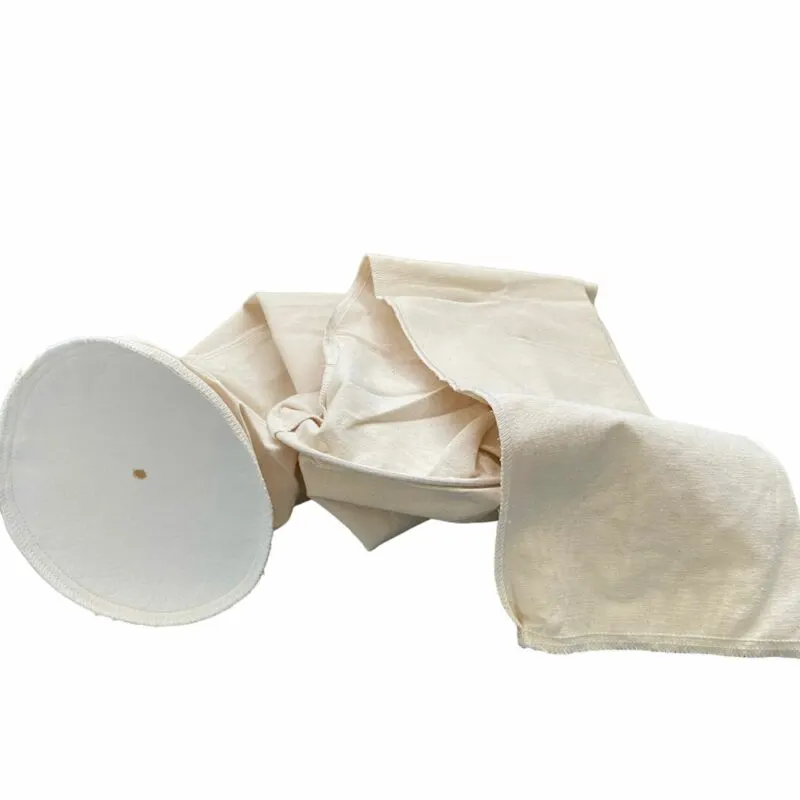
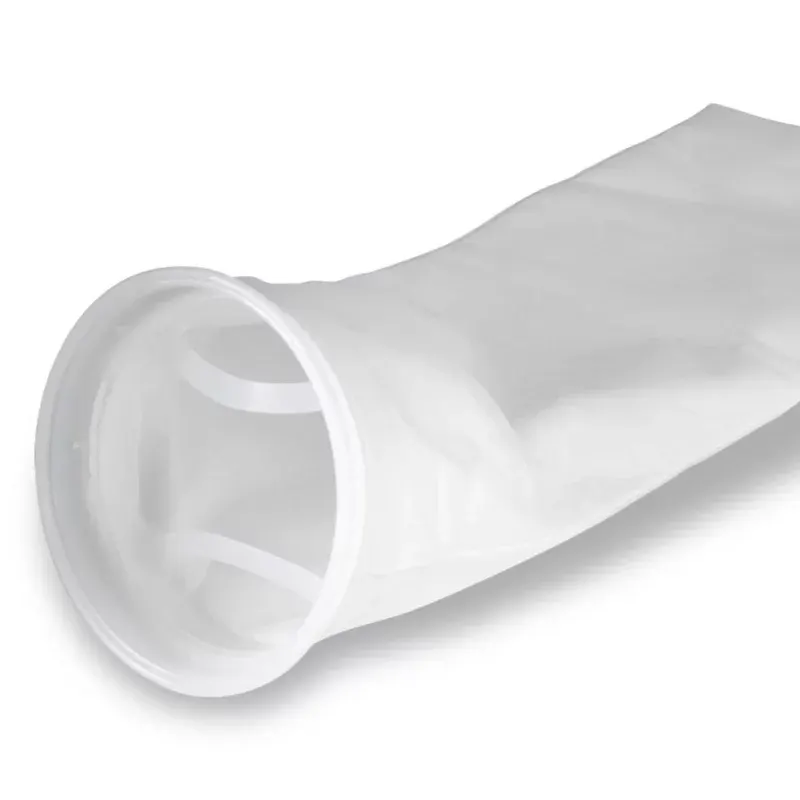
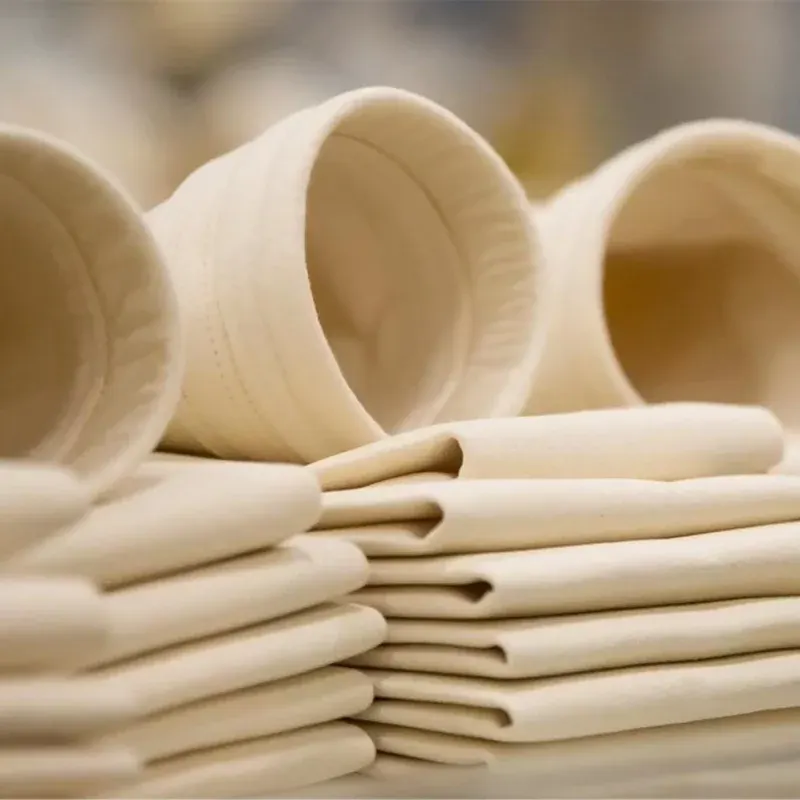
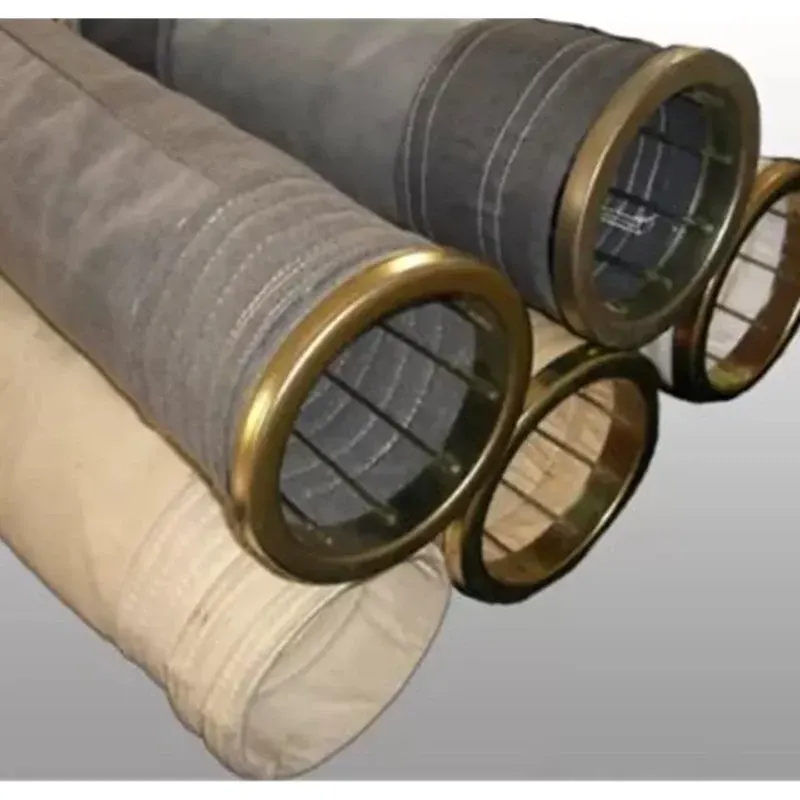
Industrial air filters capture dust, fibres, pollen and fine particles in ventilation systems and air handling units. G3 and G4 panel and cassette filters capture coarse dust, F7 bag filters capture finer dust, and HEPA filters retain very fine particles. The correct class also protects the unit and fan from contamination.
In factories, warehouses, food and pharmaceutical production, hospitals and offices, clogged or incorrectly specified filters lead to reduced airflow, higher energy use and poorer indoor air quality. FLTS supplies industrial air filters in standard and custom dimensions according to the unit, filter class and airflow.
- G3, G4, M5, F7 and HEPA classes
- Panel, cassette, bag and rigid compact designs
- Activated carbon for odours and gases
- Custom dimensions for the air handling unit
What Are Industrial Air Filters?
Industrial air filters are filter elements that capture airborne particles in ventilation systems and air handling units. Dust, fibers, pollen, mold spores and fine particles cannot pass through the filter material and remain on the surface or between the fibers. In this way the supply air is cleaned and the fan, coils and ducts in the unit are protected from fouling.
This group is made up of different classes, from coarse filtration to fine filtration. Panel and cassette filters, bag filters, rigid compact filters, HEPA filters and activated carbon filters are the main types described on this page. Cartridge and bag elements used in dust collection systems are a separate group and operate under different conditions.
How Do Industrial Air Filters Work?
An air filter does not capture only large pieces like a sieve. Coarse particles are captured by hitting the fibers directly. Smaller particles touch and stick to the fibers as they follow the air flow. Very fine particles hit the fibers through their random movement. The finer and denser the fiber, the smaller the particles captured, but the resistance to air passage increases.
For this reason filters are used in stages in air handling units. In the first stage, a G3 or G4 class coarse filter captures coarse dust. In the second stage, an M5 or F7 class bag or cassette filter captures fine dust. In clean rooms and precision production areas, there is a HEPA filter in the final stage. Each stage extends the life of the next. A HEPA filter without a pre-filter clogs quickly.
Filter Classes
Air filters are classified according to the particle size they capture. In the field, classes starting with the letters G, M, F, E, H and U are used. On newer products, classes given according to the ISO 16890 standard may also appear on the label. The table below summarizes the class groups and their typical uses.
| Class group | Example classes | Particles captured | Typical use |
|---|---|---|---|
| Coarse filter | G3, G4 | Coarse dust, fibers, insects, leaves | Air handling unit pre-filter, general ventilation |
| Medium and fine filter | M5, M6, F7 | Fine dust, pollen, mold spores | Air handling unit second stage, office, production area |
| High-efficiency filter | E10, E11, E12 | Very fine particles | Precision production, stage before HEPA |
| HEPA and ULPA | H13, H14, U15 | Very fine dust, including bacteria-sized particles | Clean room, operating theater, pharmaceutical and electronics production |
As the class rises, the pressure drop of the filter also increases. Selecting a higher class than necessary strains the fan and increases energy consumption. A lower class than necessary, on the other hand, does not protect the indoor air or the next stage.
Types of Industrial Filters
Panel and Cassette Filters (G3, G4)
A panel filter consists of flat or pleated filter material placed in a cardboard or metal frame. A cassette filter works on the same principle but has a deeper frame and a pleated structure. It captures coarse dust and is used as a pre-filter in air handling units. Because it is manufactured in standard sizes, it fits existing units easily. On some types, the frame is kept and only the filter material is renewed.
Bag Filters (M5, F7)
A bag filter is a pocketed structure sewn onto a frame. The pockets provide a large filter surface, so it operates at high flow rates with low pressure drop. It is used in the second stage of air handling units for fine dust and pollen. The number of pockets and the pocket length are selected according to the depth of the unit and the air flow rate.
Rigid Compact Filters
A rigid filter is a hard-bodied type in which pleated filter paper is placed in a plastic or metal casing. It keeps its shape in short units where a bag filter does not fit and in systems where air flow changes. It is used in F7 and higher classes.
HEPA Filters
A HEPA filter is an air filter made of very fine glass fiber paper that provides very high capture efficiency. The H13 and H14 classes are used in clean rooms, operating theaters, laboratories and pharmaceutical production. The pressure drop is high. For this reason there is always a coarse and fine filter stage in front of it. Most types are not washable and are replaced with a new one when clogged.
Activated Carbon Filters
An activated carbon filter is used not for particles but for capturing odors and gases. The porous carbon surface holds solvent vapor and odor molecules on its surface. It is preferred in areas such as paint shops, chemical plants and wastewater plants. Because dust closes the pores of the carbon, a particle filter is placed in front of it.
Cartridge Filters
A cartridge filter has a cylindrical pleated structure. It is used in air intake filters and dust collection units. On the dust collection side, types that can be cleaned with compressed air stand out. Details are explained on the cartridge filter and panel cartridge filter pages.
Industrial Filter Applications
An air filter is found in every system where air is taken in or circulated in an environment. The main areas of use are as follows:
- Air handling units and factory ventilation systems in factories and workshops.
- Food and pharmaceutical production areas, packaging and warehouse sections.
- Hospitals, operating theaters and laboratories.
- Electronics production and clean room applications.
- Inlet air and ceiling filters in paint booths.
- Commercial buildings such as offices, shopping centers and hotels.
- Air intakes of compressors, generators and turbines.
Liquid filters used in hydraulic and lubrication systems are a separate group. These products are described on the hydraulic filters page.
What Should Be Considered When Selecting an Industrial Filter?
Filter selection is made according to the needs of the environment to be protected and the air handling unit. The following items are evaluated together:
- Filter class: a G, M, F or HEPA class is selected according to the air cleanliness the environment requires.
- Air flow rate: if the filter surface is not sufficient for the flow rate, the pressure drop rises quickly.
- Mounting size: the frame width, length and depth must fit the unit exactly; if there is leakage around it, the class becomes meaningless.
- Initial pressure drop: a low-resistance filter reduces the fan’s energy consumption.
- Dust holding capacity: determines the replacement interval and operating cost.
- Operating condition: temperature, humidity and chemical environment affect the choice of frame and material.
Industrial Filter Maintenance and Replacement
For air filters, the replacement time is determined most accurately by the pressure difference. The differential pressure gauge placed between the front and back of the filter rises as the filter gets dirty. When the final pressure value given by the manufacturer is reached, the filter is replaced. Calendar-based replacement is either too early or too late depending on the dust load of the environment.
At replacement, it is checked that the filter frame is fully seated in its slot and that the gasket is intact. Replacing the coarse filter on time extends the life of the bag and HEPA filters behind it. A clogged filter reduces the air flow rate, strains the fan motor and degrades indoor air quality. Spare filters are stored in a dust-free, dry environment in their packaging.
Factors That Determine Industrial Filter Prices
Industrial filter prices vary according to filter type, class, size and quantity. Coarse-class panel filters are in the most economical group. For bag and rigid filters, the number of pockets, depth and frame material determine the price. For HEPA filters, the class, frame type and testing requirement raise the cost. Custom manufacturing is carried out for non-standard sizes.
In comparison, not only the unit price of the filter but also its pressure drop and dust holding capacity are considered. A longer-lasting, low-resistance filter saves on replacement and energy costs. You can fill in the quotation form with the unit size, filter class and quantity, and for other spare parts you can browse the filter spare parts group.
Frequently Asked Questions
What is the difference between a G4 filter and an F7 filter?
A G4 is a coarse filter and captures coarse dust. An F7 is a fine filter and captures pollen and fine dust. In air handling units, G4 is used together as the first stage and F7 as the second stage.
When is a HEPA filter required?
It is required in areas that demand very clean air, such as clean rooms, operating theaters, and pharmaceutical and electronics production. There is always a coarse and fine filter stage in front of it.
When is an air filter replaced?
It is replaced when the differential pressure gauge reaches the final value given by the manufacturer. The replacement interval varies with the dust load of the environment.
Can a cassette filter be washed?
Some coarse-class filters can be cleaned, but most panel, bag and HEPA filters are not washable. In a washed filter the fiber structure is damaged and capture efficiency drops.
Are filters made in custom sizes?
Yes. Custom-size manufacturing is carried out when the width, length and depth of the unit or filter slot and the required class are provided.
Does an activated carbon filter capture dust?
An activated carbon filter is used for odors and gases. Because dust closes the pores, a particle filter is placed in front of it.
- Category
- Filter Spare Parts
- Made in
- İkitelli OSB, Istanbul, Türkiye
- Updated