





Dust generated in food and pharmaceutical production differs from other industries in two respects. The collected material is often the product itself, and every surface of the system must be cleanable, because different products are processed on the same line. For this reason, filter selection is based not only on emissions but also on hygiene and cross-contamination control.
Materials such as flour, starch, sugar, milk powder, lactose and microcrystalline cellulose are classed as combustible dusts. Because they pose an ignition risk when suspended in air, explosion protection equipment is included in the project from the outset. FLTS combines these three aspects, namely hygiene, cross-contamination and explosion safety, in a single design.
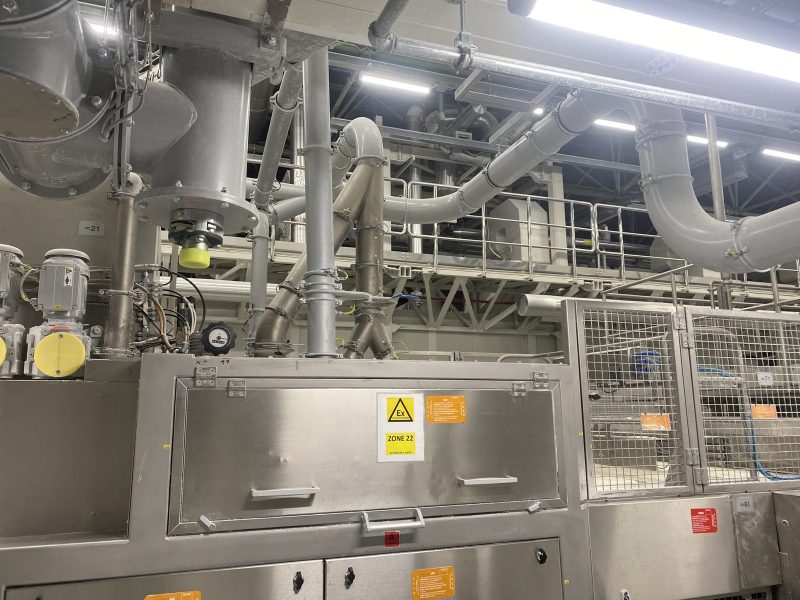 Dust extraction connections suitable for the ATEX zone on a stainless steel process line
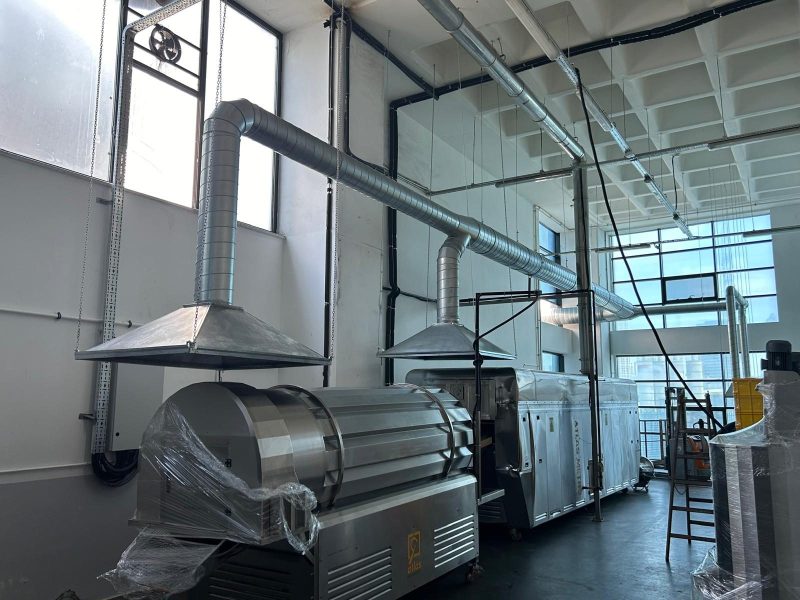 Extraction points with stainless steel hoods in a hygienic production area
 Source dust extraction on the packaging line
 Dust collection duct line in the raw material transfer and filling area
Dust Collection Systems in the Food and Pharmaceutical Industry
Dust collection systems for the food industry and for the pharmaceutical industry are technically designed on the same principles, but their acceptance criteria differ. On the food side, allergen management and product recovery come to the fore, while on the pharmaceutical side, limiting operator exposure and cleaning validation are decisive. Food industry dust collection systems are often placed within the production line, whereas on the pharmaceutical side they are located in a separate technical room.
The common denominator is cleanability. Internal housing surfaces must be smooth and burr-free, welds must be continuous and ground, and dead spaces where dust can accumulate must be eliminated from the design. In food production dust collection lines, all product-contact surfaces are made of stainless steel, while pharmaceutical dust collection applications favor a demountable structure that allows residue testing after cleaning.
Dust-Generating Processes in Food and Pharmaceutical Production
Dust is released not at a single point but at every link of the chain, from raw material intake to packaging. In silo filling and pneumatic conveying the silo-top jet filter comes into play, while point extraction is key in milling and packaging. Particle size, moisture content and exposure risk differ at each stage.
In food production dust collection lines, most of the dust is the product itself and can often be recovered. In pharmaceutical dust collection, however, the collected material is generally destroyed, because returning dust containing active ingredients to the process is not acceptable. This difference determines from the outset how the dust discharge line will be built, because on lines with product recovery the air lock is selected with product protection in mind.
Raw Material Transfer, Milling, Mixing and Packaging Processes
| Process | Dust released | Preferred solution |
|---|---|---|
| Raw material unloading | Dense fine dust when opening sacks and big bags | Discharge station with integrated jet filter |
| Silo filling and conveying | High-volume dust load in pneumatic conveying | Silo-top jet filter and air lock |
| Milling and sieving | Very fine, combustible-class dust | Antistatic cartridge filter and ATEX equipment |
| Mixing and granulation | Product-specific fine dust, cross-contamination risk | Separate unit per line and demountable housing |
| Tablet pressing and coating | Lactose, starch and coating dust | On-machine point extraction, HEPA stage if required |
| Weighing and dosing | Point of highest operator exposure | Negative-pressure weighing booth |
| Filling and packaging | Product dust scattered around the machine | Point extraction and easy-to-clean duct line |
Some of these stages run continuously, others in batches. In batch production the same line switches between different products, so the filter unit must be cleanable and verifiable between product changeovers.
For this reason, lines handling allergens are kept separate in most projects. In a plant producing gluten-free products, flour dust carried over to another line can result from a single shared connection on the filter side. Since the same risk applies to lines handling milk, hazelnuts, soy and eggs, the duct plan is evaluated together with the label declaration.
Food and Pharmaceutical Dust Collection System Engineering and Manufacturing
Engineering begins by mapping which line processes which product. The airflow and filter area calculation is built on this map, because whether or not lines are separated directly changes the total number of equipment items.
The key criteria in manufacturing are as follows.
- Material selection: stainless steel is used on product-contact surfaces
- Surface quality: a smooth, burr-free internal surface prevents dust adhesion
- Demountability: bag and cartridge replacement should be possible without tools
- Dead space: corners and pockets where dust can accumulate are eliminated from the design
- Gasket compatibility: certified gaskets suitable for food and pharmaceutical contact are preferred
- Antistatic design: grounding and conductive filter media are used on combustible dust lines
- Explosion safety: explosion vents and isolation equipment are selected according to calculated values
- Product recovery: if valuable dust is to be returned to the process, the discharge line is built accordingly
On the equipment side, the jet pulse cartridge filter is preferred on lines dominated by fine dust, because it provides a large filter surface in a compact housing and is easy to remove for cleaning. Silo-top units on conveying lines and explosion safety equipment in plants handling combustible dust enter the project as part of the same calculation.
Filter media is also selected according to the product. In food dust filter applications, washable fabrics suitable for food contact are preferred, while for pharmaceutical dust collection filters, single-use filter cartridges and a safe-change method are preferred. In food dust collection filter units, the discharge line is also planned separately so that the product can be recovered.
- 1Site surveySite visit, identification of sources and lines
- 2Airflow measurementExtraction points and total airflow
- 3EngineeringFilter area, duct route, equipment selection
- 4ManufacturingProduction of filter housing, hoods, ducts and fans
- 5InstallationOn-site installation and duct connections
- 6CommissioningMeasurement, adjustment and recording of reference values
Food and Pharmaceutical Dust Collection System Prices
The price of food dust filters and pharmaceutical dust collection units is higher than that of a standard industrial filter with the same airflow. The reason is the additional labor involved in stainless steel fabrication, surface finishing and demountable design. The items that determine the cost start with the total airflow, the calculated filter area and the selected housing material.
The number of lines and the variety of products determine whether separate units are required, and antistatic filter media and explosion protection systems add further items in plants handling combustible dust. In pharmaceutical production filter systems, a HEPA final stage and containment requirements raise the cost, while in food production filter systems a product recovery line has a similar effect. Since no single list price can be given, the correct figure becomes clear once site measurements are taken and the line map is drawn up.

FLTS Filtre Sistemleri
Hygienic design, manufacturing and installation of food and pharmaceutical dust collection systems
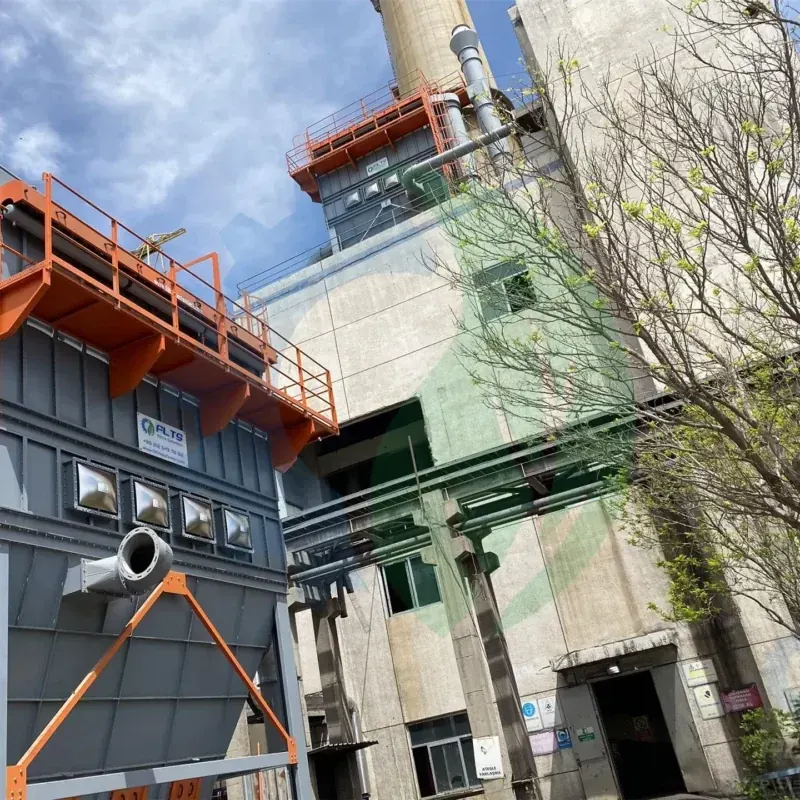 Jet Pulse Bag Filter
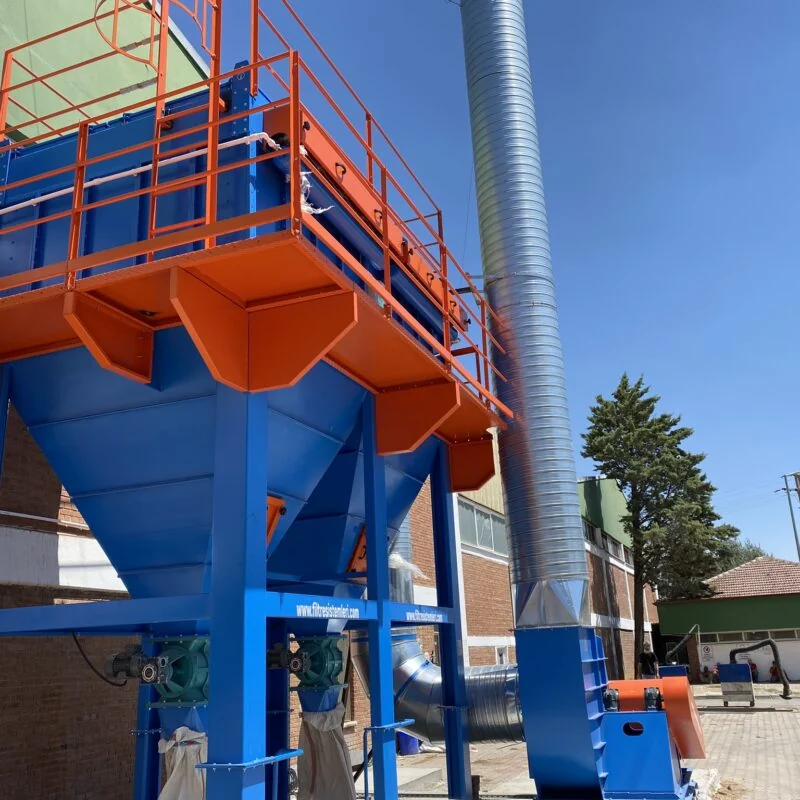 Jet Pulse Cartridge Filter
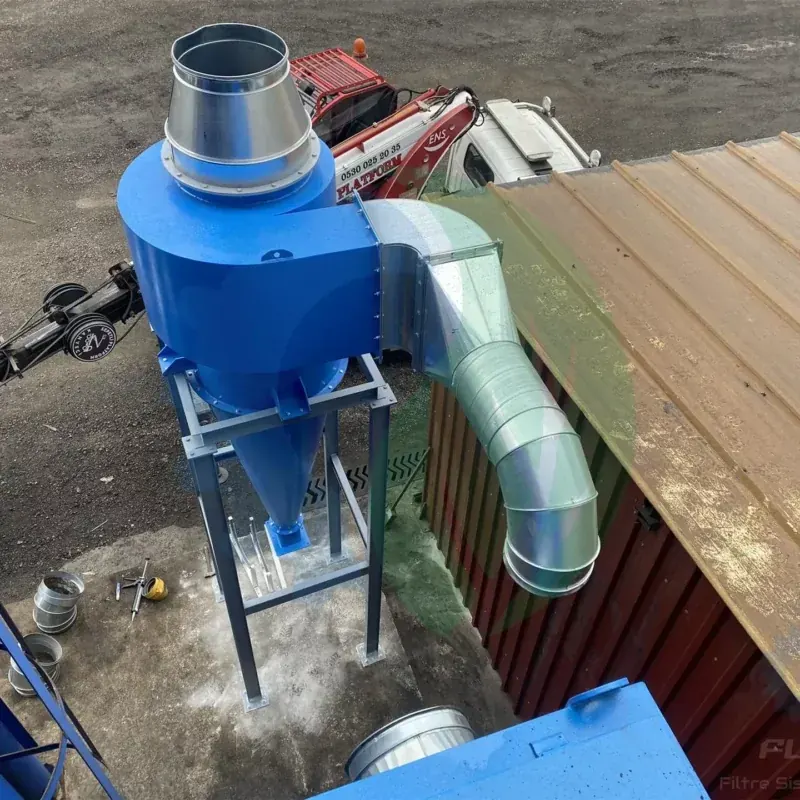 Cyclones / Pre-Separator Cyclone Filter
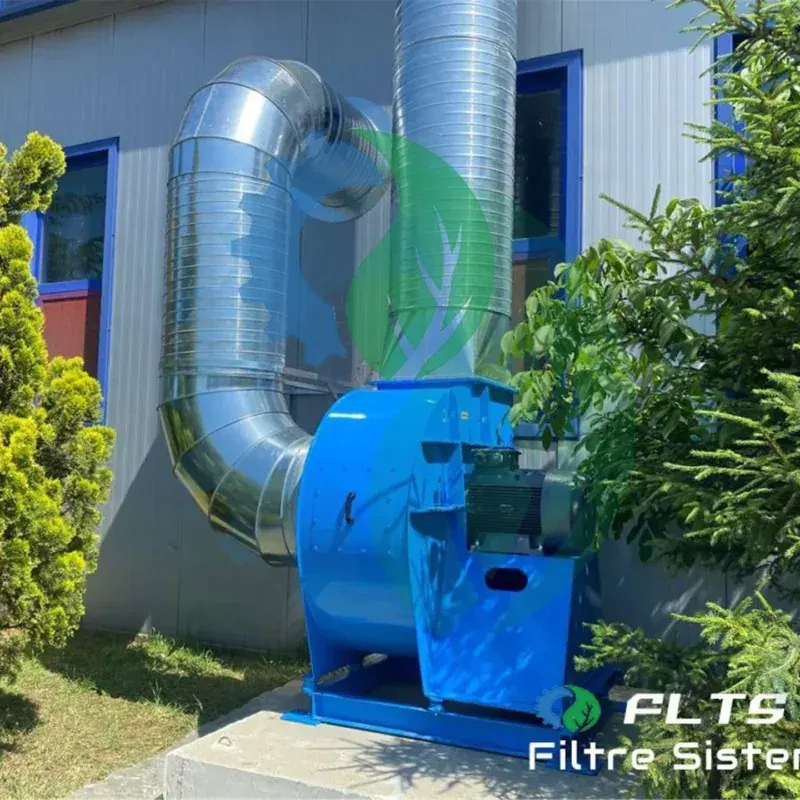 Industrial Fans


FLTS Filter Systems for the Food and Pharmaceutical Industries
In the production of food dust collection filters and pharmaceutical dust collection filters, FLTS handles engineering, manufacturing, installation and commissioning from a single source. Because housing fabrication, hood and duct lines, industrial fans and dust discharge equipment come from our own production, hygienic design decisions are not left to the supply chain. Separate manufacturing and acceptance criteria are applied to food production filter systems and pharmaceutical production filter systems.
Work starts with a site visit. We determine which product is processed on which line, whether allergen segregation is required and whether the dust is classed as combustible; the plant-specific solution is then detailed at the quotation stage. Our references in the food, beverage and pharmaceutical sectors show that the same approach can be applied to plants of different scales.
Frequently Asked Questions About Food and Pharmaceutical Dust Collection Systems
Why does a dust collection system in food and pharmaceutical plants require hygienic design?
The collected dust is often the product itself, and different products are processed on the same line. Smooth stainless steel surfaces, a housing without dead spaces and a demountable structure prevent cross-contamination and make cleaning validation possible between product changeovers.
Are explosion protection measures necessary for materials such as flour, sugar and milk powder?
Yes. These materials are classed as combustible dusts. Antistatic filter media, grounding, explosion vents and isolation equipment are included in the project from the outset according to calculated values.
Can the collected dust be recovered back into the process?
On food lines the answer is often yes; the discharge line and air lock are selected with product protection in mind. On pharmaceutical lines, dust containing active ingredients is generally destroyed, so recovery is not planned.
Is a separate dust collection unit required for lines handling allergens?
Lines handling gluten, milk, hazelnuts, soy and eggs are kept separate in most projects. Because a shared duct connection can lead to cross-contamination, the duct plan is evaluated together with the product label declaration.
Which filter type is used in food and pharmaceutical dust collection systems?
The jet pulse cartridge filter is preferred on lines dominated by fine dust, and the silo-top jet filter on silo and conveying lines. The filter media is selected as a washable fabric suitable for food contact or, on the pharmaceutical side, as a single-use cartridge.
Food and Pharmaceutical Dust Collection Selection by Product
On food and pharmaceutical dust collection lines, what determines the filter is often the product being processed. The table shows what to look out for with commonly encountered products.
| Product or dust | Function of the filter | Key selection consideration |
|---|---|---|
| Flour and semolina | Extraction for silo filling, sieving and packaging | Combustible dust, product recovery |
| Sugar and powdered sugar | Extraction for milling and filling | Hygroscopic dust, combustibility, antistatic filter |
| Milk powder | Extraction after drying and at packaging | Hygienic housing, allergen segregation |
| Cocoa and spices | Extraction for milling and mixing | Oily and sticky dust, surface-treated filter media |
| Starch and additives | Big bag discharge and dosing | Very fine and combustible dust |
| Active pharmaceutical ingredient | Extraction for weighing, granulation and tablet pressing | Operator exposure, safe filter change, HEPA stage if required |
| Lactose and excipients | Extraction for mixing and coating | Cleaning validation at product changeover |
For products classed as combustible dust, the antistatic cartridge filter and the explosion vent are part of the project from the outset. If the product is to be recovered, the air lock on the discharge side is selected with product protection in mind.
Information to Prepare When Requesting a Quote for Food and Pharmaceutical Dust Collection
Since hygiene and explosion safety will be discussed together, the following information is useful at the first meeting:
- A list of the products processed on each line and the frequency of product changeovers per line.
- Lines handling allergens and the allergens stated in the label declaration.
- Combustibility information for the dust; a dust explosion test report, if available.
- Whether the collected dust will be returned to the process.
- Where the filter will be installed: inside the production area or in a separate technical room.
- Cleaning method: dry cleaning, washing or a preference for single-use filters.
- Specifications of customers or inspection bodies that you must comply with.