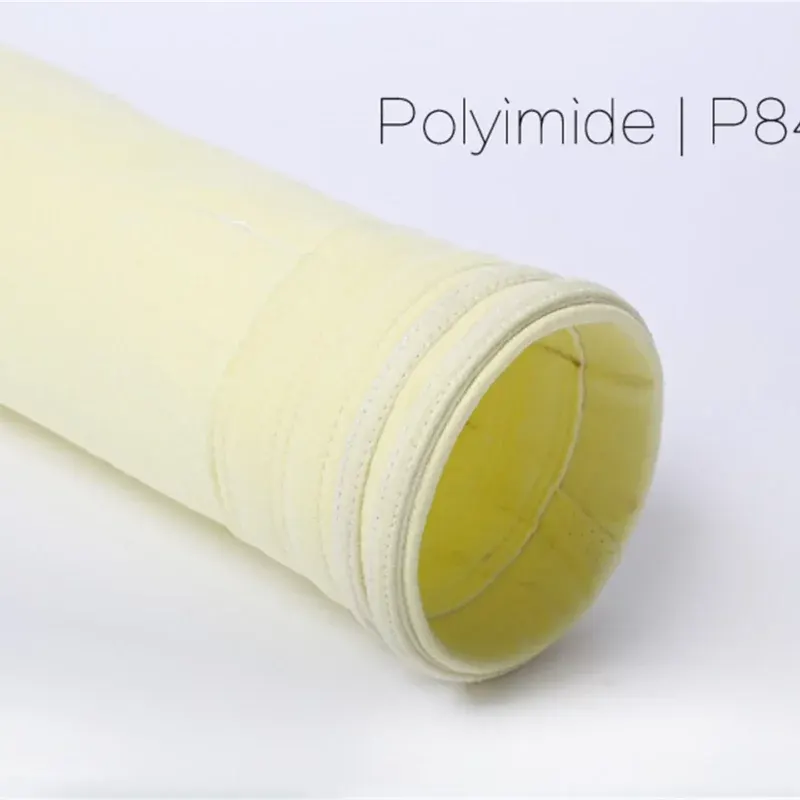





Polyimide (P84) Filter Bag
30 May 2024
Acrylic Filter Bag
30 May 2024
PPS Filter Bag
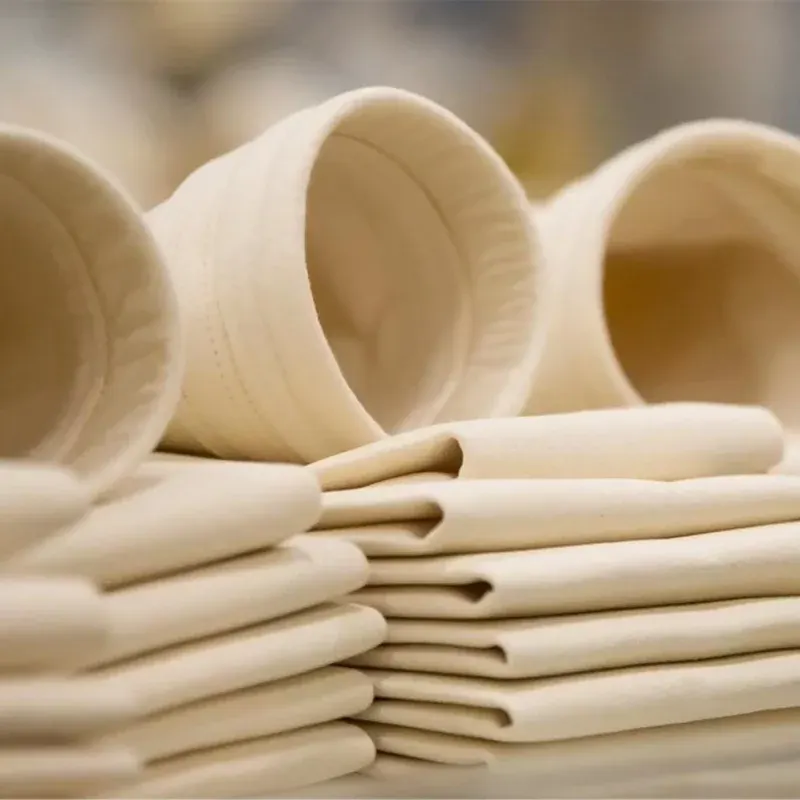
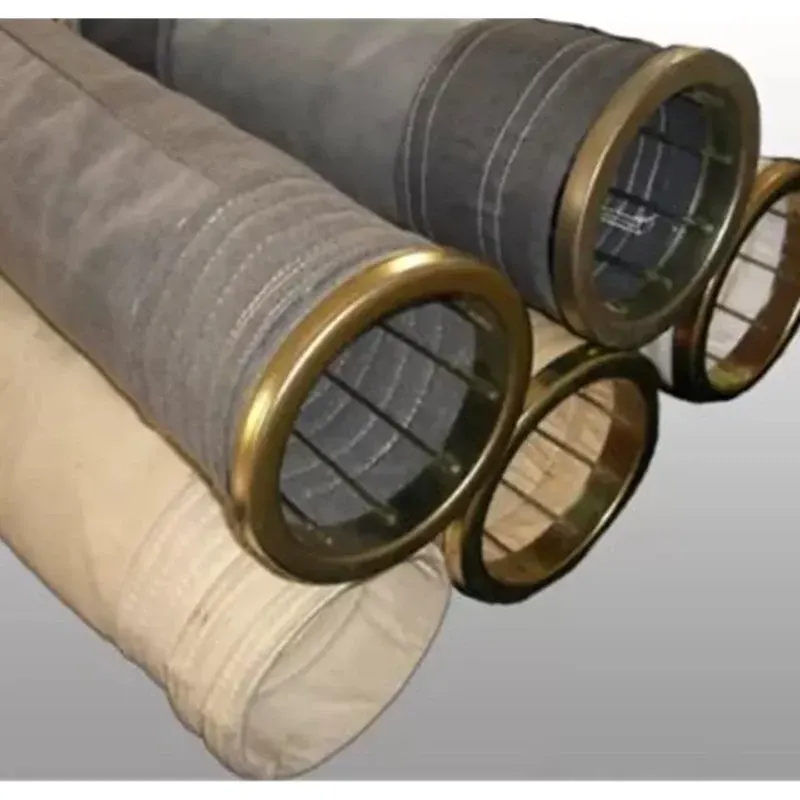
A PPS filter bag is a felt bag produced from polyphenylene sulfide fiber by needle punching that captures dust in hot flue gas containing both acid and moisture. It operates continuously at 190°C. It offers high resistance to acid corrosion, alkalis and hydrolysis, and is used in gases with a limited oxygen content. It is flame-retardant and self-extinguishes once the flame source is removed.
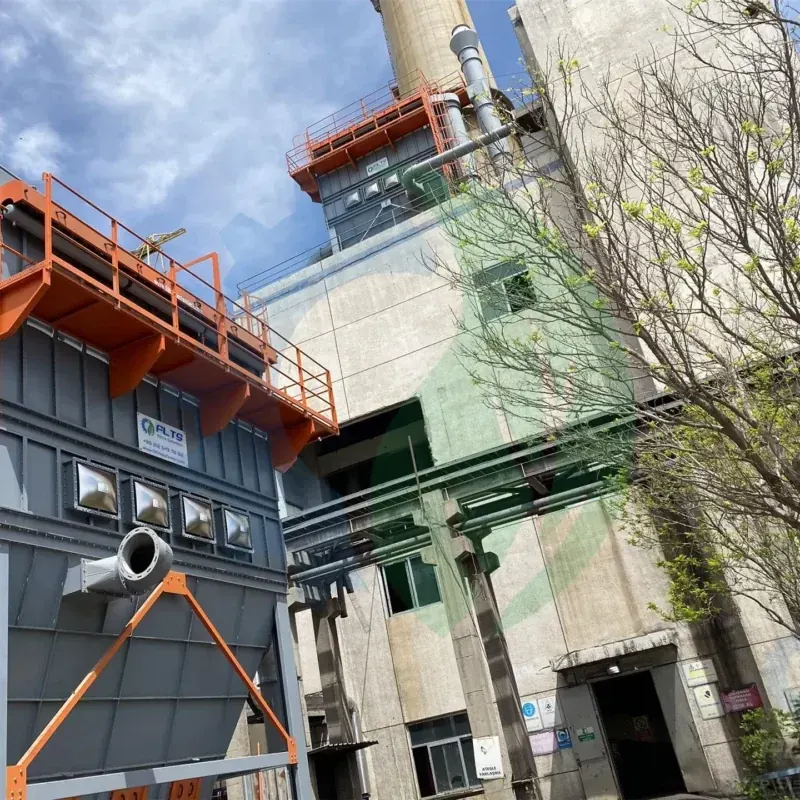
It is used in coal-fired and fluidized bed boilers, waste and biomass incineration plants, cement mills and asphalt plants. It stands out on lines burning sulfur-bearing fuels, under conditions where Nomex wears out prematurely. FLTS manufactures PPS bags to measure according to the unit’s tube sheet, cage dimensions and gas composition.
- Continuous operating temperature of 190°C
- High resistance to acids, alkalis and hydrolysis
- PTFE-impregnated, glazed surface option
- Custom diameter, length and top to match the cage dimensions
Price per m²: 9.00 EUR/m². Contact us for a current quotation.
A PPS filter bag is one of the high-temperature bags used in flue gas filtration at power and incineration plants. Its fiber is polyphenylene sulfide. In hot gas carrying sulfur oxides and moisture, it resists both acid corrosion and hydrolysis. The sections below describe the bag’s construction, technical values, its oxygen-related limit, and the manufacturing and maintenance conditions.
Construction of the PPS Filter Bag
The bag is made of 100% PPS fiber. Short fibers are needled onto both faces of a supporting scrim that is also woven from PPS yarn. The scrim gives the felt dimensional stability, and the bag does not stretch under heat.
Calendering, singeing and surface glazing are applied to the felt surface, followed by a water- and oil-repellent PTFE finish. These treatments reduce dust embedding in the felt, prevent humid dust from sticking to the surface and make cleaning easier. PPS fiber is by nature flame-retardant and self-extinguishing.
How Does a PPS Filter Bag Work?
Hot flue gas passes from the outside surface of the bag to the inside. Fly ash and dust are retained on the surface, and clean gas passes through the inside of the bag into the clean air chamber. The wire cage inside the bag prevents collapse under suction.
When the differential pressure rises, the valve of the jet pulse bag filter unit gives a compressed air pulse and the cake falls into the dust hopper. In boiler applications, cleaning can be done either while the unit is running (online) or by taking compartments out of service one after another (offline). The cleaning method affects the air-to-cloth ratio and therefore the size of the unit.
In boiler filters, the dust load and gas composition vary during the day according to the fuel and boiler load. When the load drops, the gas temperature also drops and approaches the dew point; at these moments the resistance of PPS to hydrolysis and acid corrosion protects the bag. In circulating fluidized bed boilers with limestone addition, the dust load is high and the cleaning frequency is adjusted accordingly. The PTFE finish on the surface reduces the sticking of humid ash to the felt and helps the differential pressure return to its previous level after cleaning.
Technical Specifications of the PPS Filter Bag
The table summarizes the values of standard PPS felt. Exact values are given in the datasheet of the ordered fabric at the quotation stage.
| Property | Value |
|---|---|
| Composition | 100% polyphenylene sulfide (PPS) |
| Scrim | 100% polyphenylene sulfide (PPS) |
| Weight | 550 g/m² ± 5% |
| Air permeability | 10,000 – 12,000 l/dm²/h (Dp: 200 Pa) |
| Thickness | 1.9 mm ± 0.2 |
| Tensile strength | Machine direction 85 kgf/5 cm, cross direction 105 kgf/5 cm |
| Surface treatment | Calendering, singeing, surface glazing, water- and oil-repellent PTFE finish |
| Operating temperature | Continuous 190°C |
| Alkali resistance | Excellent |
| Hydrolysis resistance | Excellent |
| Solvent resistance | Good |
| Suitable gas | Gas with an oxygen content of 15% or less |
The acid resistance of PPS has proven itself against the acid corrosion caused by sulfur oxides from sulfur-bearing fuels. The exact acid class is given in the fabric datasheet according to the gas composition.
Oxygen and Temperature Limit of PPS
The life of PPS is determined by the gas composition more than by temperature. The fiber is sensitive to oxidizing conditions. The following points are checked before selection:
- Oxygen content of the gas: at oxygen levels above 15%, the fiber becomes brittle.
- Nitrogen oxides: gas with a high nitrogen oxide content wears PPS out quickly.
- Temperature: operation close to the continuous limit accelerates oxidation, and short-term spikes are recorded.
- Dew point: acid condensing when the unit cools turns the dust into sludge and makes cleaning difficult.
If oxygen or nitrogen oxides are high, a P84 filter bag or a PTFE filter bag is compared. If the gas is dry and sulfur-free, a Nomex filter bag may be more economical.
Engineering and Manufacturing
FLTS manufactures PPS bags to the dimensions of an existing boiler filter or for a newly engineered system. For a bag operating in hot, acidic gas, the following details are planned together:
- Felt and surface treatment: selected according to the dust type and the moisture and acid content.
- Sewing: the sewing thread is selected from a fiber that withstands the gas temperature and acid corrosion.
- Top: made as snap band, drawstring or flanged, according to the tube sheet.
- Size: the diameter is cut with a suitable allowance for the cage, and the length is determined according to the distance to the dust hopper.
Installation and Maintenance
During installation, the bag top is seated fully on the tube sheet and the cage is lowered into the bag without force. In acidic gas, corrosion progresses quickly in the cages; a rusty cage wears the bag from the inside. For this reason, the filter cages are also checked at bag replacement and, if necessary, cages with a corrosion-resistant coating are used.
In operation, the gas temperature, differential pressure and, if possible, the oxygen content are monitored together. When the boiler is started up, the bags must not encounter cold, humid gas; the unit is preheated or pre-coat dust is used during start-up. At shutdown, the dust hopper is emptied while the gas is still hot. All bags are replaced at the same time.
Factors Determining the Price of a PPS Filter Bag
The price of a PPS bag is close to Nomex and generally lower than P84 and PTFE. The main items that determine the price are the felt weight, surface treatments such as the PTFE finish, bag size and quantity, top and bottom type, sewing thread, and whether the cages will be renewed. Because boiler filters have a large number of bags, the downtime cost incurred during replacement is also taken into account. A bag selected on the basis of correct gas measurement removes the need to move to a more expensive fiber than necessary.
What Is a PPS Filter Bag and Where Is It Used?
A PPS filter bag is a needle-punched felt bag made from polyphenylene sulfide fiber. It is selected for operating in hot flue gas where acid and moisture are present together. Boilers burning coal or sulfurous fuel are the most typical example of this environment.
The distinguishing feature of PPS is its resistance to hydrolysis and acid corrosion. The Nomex filter bag, which works in the same temperature range, gives good results in dry gas but generally wears out earlier in humid and acidic gas. PPS is used to close this gap.
The main point to watch is oxygen. As also stated in the technical information on the page, PPS works in gases with limited oxygen content. If oxygen or nitrogen oxides are high, or the temperature exceeds the PPS limit, a P84 or PTFE filter bag is evaluated.
PPS Filter Bag Applications
| Industry | Role of the bag | Note |
|---|---|---|
| Coal-fired boilers | Capturing fly ash in humid flue gas containing sulfur oxides | The sulfur content of the fuel and the oxygen in the gas should be measured |
| Fluidized bed boilers | Filtration of dust from combustion with limestone additive | The dust load is high; the cleaning pattern is adjusted accordingly |
| Waste and biomass incineration | Removing dust from flue gas of variable composition | Because the gas composition changes, worst-case values should be shared |
| Cement mills | Capturing fine dust in hot and humid mill gas | Condensation risk is checked when the unit is stopped |
| Asphalt plants | Separating hot mineral dust at the dryer outlet | If the fuel contains sulfur, PPS comes to the fore; if it does not, Nomex is also evaluated |
What Is Needed to Choose the Right Bag
The life of PPS depends largely on the gas composition. The exact values in the fabric datasheet are given at the quotation stage; the following information is requested for selection:
- Continuous and instantaneous maximum temperature of the flue gas.
- Oxygen content of the gas and, if available, nitrogen oxide measurements.
- Fuel type and the sulfur content of the fuel.
- Moisture content of the gas and how often the unit is stopped and started.
- Dust type, dust load and abrasiveness.
- Unit model, number of bags, size and top type.
If you do not have a gas measurement, the service life and appearance of the existing bag also provide guidance. A bag that is brittle, discolored or tears easily indicates that the gas composition is stressing the fiber; the quotation is clarified together with this information.
Frequently Asked Questions
What temperature does a PPS filter bag withstand?
PPS felt operates at a continuous temperature of 190°C. It withstands short-term spikes, but continuous operation close to the limit accelerates oxidation.
What does PPS stand for?
PPS is the abbreviation of polyphenylene sulfide fiber. It is a synthetic fiber that resists temperature, acid corrosion and hydrolysis.
In which plants are PPS bags used?
They are used in coal-fired and fluidized bed boilers, waste and biomass incineration plants, cement mills and asphalt plants that use sulfur-bearing fuel.
What damages a PPS bag?
High oxygen and nitrogen oxides, continuous temperature close to the limit, and gas falling below its dew point shorten the life of a PPS bag.
When is PPS selected instead of Nomex?
PPS is selected if the gas is humid and contains sulfur oxides. If the gas is dry and sulfur-free, Nomex is also considered.
Can a PPS bag be made to custom dimensions?
Yes. The diameter, length, top type and bottom construction are produced according to the tube sheet and cage dimensions of the unit.
General information on dust collection systems
| CONTENTS | 100% POLYPHENYLENE SULFIDE (PPS) |
| INTERNAL TISSUE | 100% POLYPHENYLENE SULFIDE (PPS) |
| WEIGHT | 550 g/m² ± %5 |
| WEIGHTAIR PERMEABILITY | 10,000 – 12,000 lt/dm²/hour (Dp:200 Pa) |
| THICKNESS | 1.9 mm ± 0.2 |
| BREAKING STRENGTH | Longitudinal: 85 kgf/5cm Transverse: 105 kgf/5cm |
| SURFACE TREATMENT | KALENDER GAZE SURFACE POLISHING WATER AND OIL REPELLENT TEFLON (PTFE) Impregnated |
| OPERATING TEMPERATURE | CONTINUOUS: 190°C
INSTANT: 220°C |
| ACID RESISTANCE | AS |
| ALKALINE RESISTANCE | PERFECT |
| HYDROLYSIS RESISTANCE | PERFECT |
| SOLVENT RESISTANCE | Good |
| OXID RESISTANCE | Good |
- Category
- Filter Bags
- Made in
- İkitelli OSB, Istanbul, Türkiye
- Updated