




Air Lock – Rotary Valve
30 May 2024
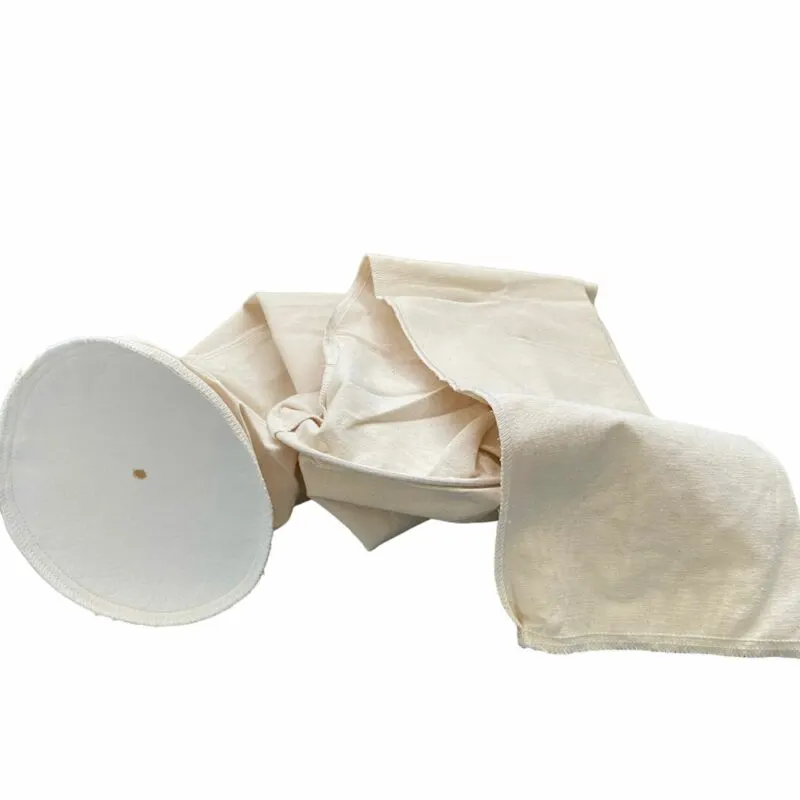
Cotton Woven Cotton Filter Bag
30 May 2024
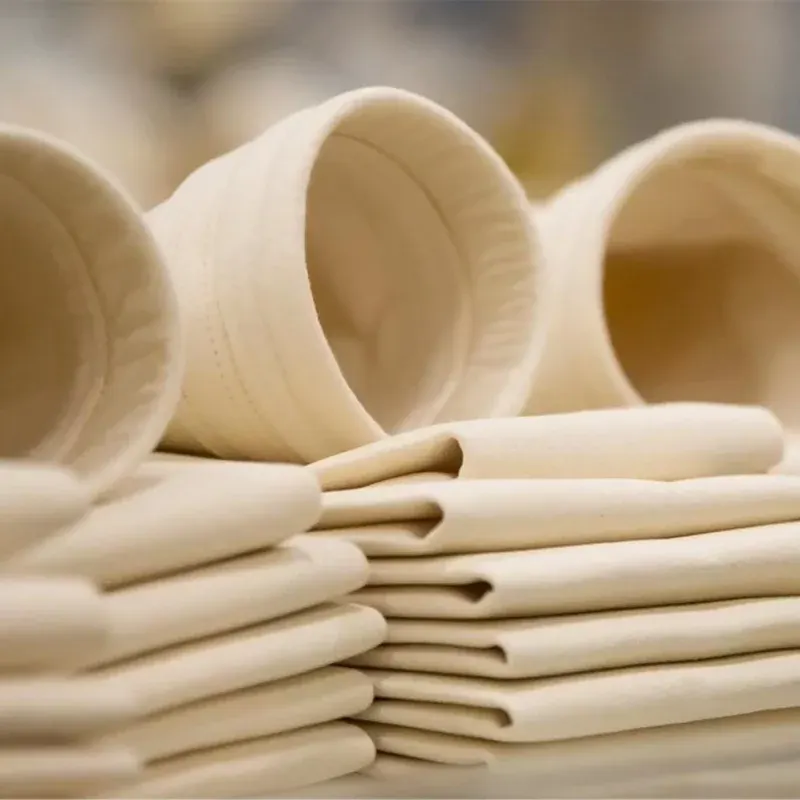
PP Polypropylene Filter Bag
What is a PP Polypropylene Filter?
A PP polypropylene filter is a type of filter made from high-purity polypropylene (PP) material, known for its durability and high chemical resistance. Widely used in liquid and air filtration, these filters are particularly preferred in industrial, chemical, food, and water treatment systems. They effectively capture sediment, particles, and suspended solids.
Advantages:
-
High Filtration Efficiency
-
Strong Chemical Resistance
-
Long Lifespan and Cost-Effective Use
-
Easy Installation and Maintenance
The PP filter, thanks to its hygienic structure, is also ideal for sensitive applications. It can be safely used in your purification systems.
Unit price per m²: 3.50 EUR/m² (fabric weight: 550 g/m²). Contact us for an up-to-date quote.
A polypropylene filter bag (PP filter) is a filter element used for dust lines that operate at low temperature but carry a high chemical load. It operates continuously at 90°C dry temperature. Because of its resistance to acids and bases, it is preferred in the chemical industry, metal plating processes, and food and fertilizer production. This page first explains the PP felt bag used in dust collection, then the PP liquid filter bag, which is a separate product.
Structure of the PP Filter Bag
A PP felt bag is produced by attaching polypropylene fibers by needle punching to a polypropylene supporting scrim. The scrim gives the felt its tensile strength, while needling joins the fibers into a randomly distributed pore structure. This structure retains fine dust on the surface and in the upper layer of the felt.
Polypropylene is a lightweight fiber and does not absorb moisture. For this reason it does not swell in a humid environment and does not undergo hydrolysis. Because the fiber surface is smooth, some sticky dusts fall off without clinging to the felt. Its limit is temperature: the fiber softens at high temperature, so the gas temperature must be kept continuously below the limit value.
How Does a PP Filter Bag Work?
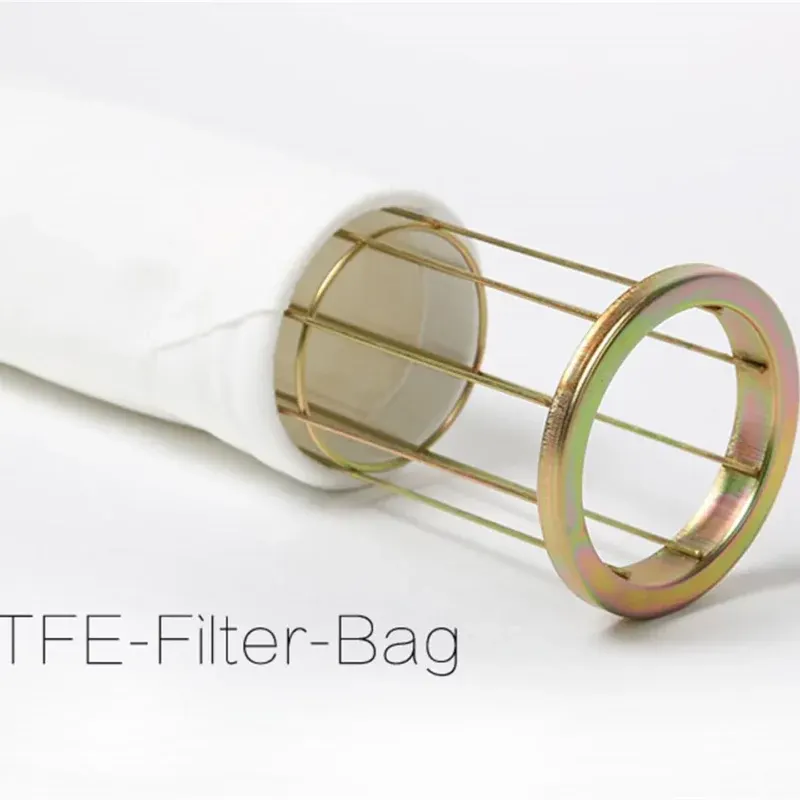
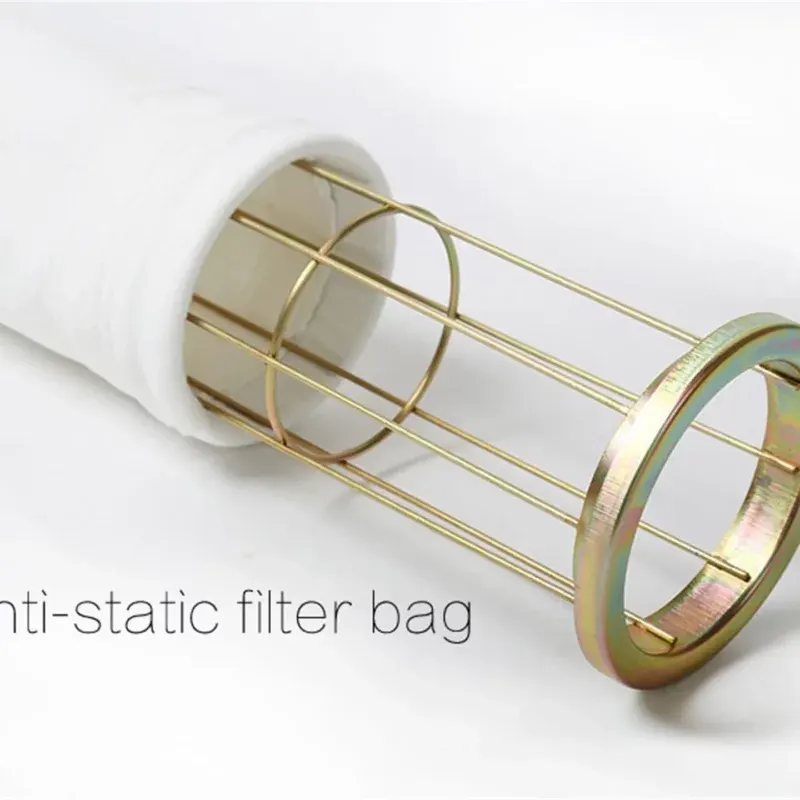
Dusty air passes from the outer surface of the bag inward, the particles are retained on the surface and the clean air leaves through the inside of the bag. The wire cage inside the bag prevents collapse under suction. The dust cake that builds up on the surface works like a second filter layer and raises efficiency.
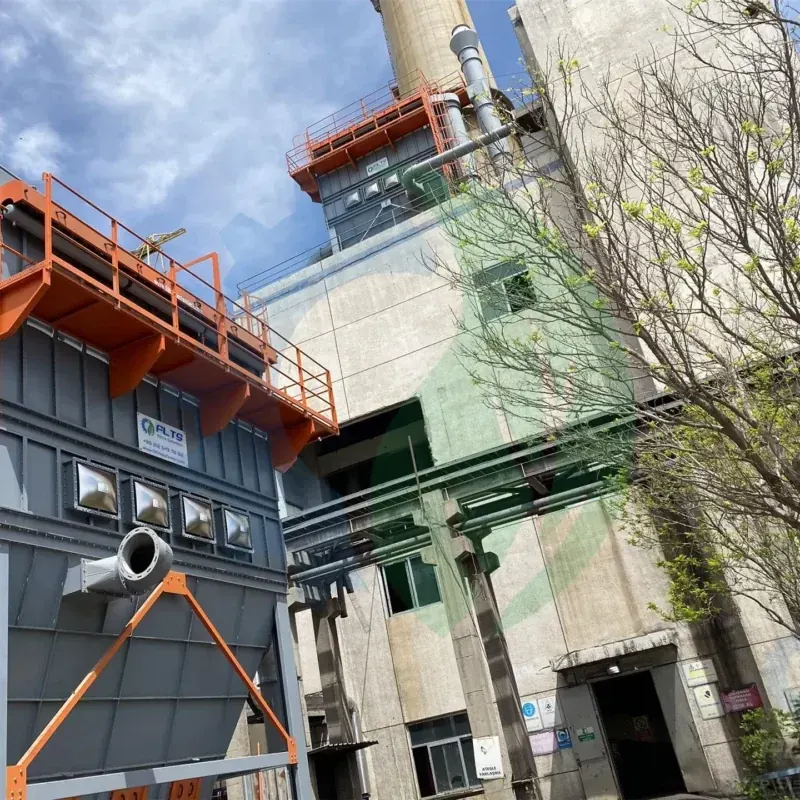
When the pressure difference rises, the valve in the jet pulse bag filter unit gives a short compressed air pulse and the cake drops into the dust hopper. Chemical dusts often absorb moisture and cake. The non-absorbent structure of polypropylene reduces the hardening of these dusts inside the felt and helps the pressure difference return to its former level after cleaning.
PP Filter Bag Technical Specifications
The table summarizes the values of standard PP felt. Exact values are provided at the quotation stage in the datasheet of the ordered fabric.
| Property | Value |
|---|---|
| Composition | 100% polypropylene |
| Scrim | Polypropylene |
| Air permeability | 9,000 l/dm²/hour (Dp: 200 Pa) |
| Thickness | 2.0 mm |
| Tensile strength | Machine direction 110 kgf/5 cm, cross direction 140 kgf/5 cm |
| Surface treatment | Calendering and singeing |
| Operating temperature | 90°C continuous dry temperature |
| Acid resistance | Excellent |
| Alkali resistance | Excellent |
| Hydrolysis resistance | Excellent |
| Solvent resistance | Poor |
| Oxidation resistance | Good |
The solvent row is the row most often skipped during selection. If there is organic solvent vapor in the gas, polypropylene swells and loses strength; other fibers are considered for these lines.
PP Liquid Filter Bag
Besides dust collection, polypropylene is also used in liquid filtration. The liquid filter bag is a separate product: it is not installed in a dust collection unit, it is placed in a filter housing and selected by micron rating.
Monofilament Liquid Filter Bag
A monofilament bag is made from a fabric woven from a single continuous yarn. Because its pores are regular, it retains particles above a certain particle size. Since the sediment retained on the surface can be removed by washing, the bag is reused in some processes. It is used in chemical, food, pharmaceutical and water treatment processes.
Micron Options
Liquid filter bags are offered with retention ratings such as 1, 5, 10 and 25 microns. When selecting, the following information is evaluated together:
- The smallest particle size that must be retained.
- The type, temperature and chemical content of the liquid.
- Hourly flow rate and the size of the filter housing.
- Whether the bag will be single-use or washed and reused.
Points to Consider When Selecting
A PP bag is long-lived on the right line and fails quickly on the wrong one. When selecting, the following points are checked:
- Does the gas temperature stay below the limit, including short-term spikes?
- Is there solvent vapor in the environment?
- Is the dust sticky or moisture-absorbing?
- Is the unit jet pulse or mechanical shaker?
- If the dust is combustible, is an antistatic option required for static build-up?
If the temperature limit is exceeded and the gas is dry, a polyester filter bag is considered; if the gas is both hot and acidic, a PPS filter bag is considered.
Engineering and Manufacturing
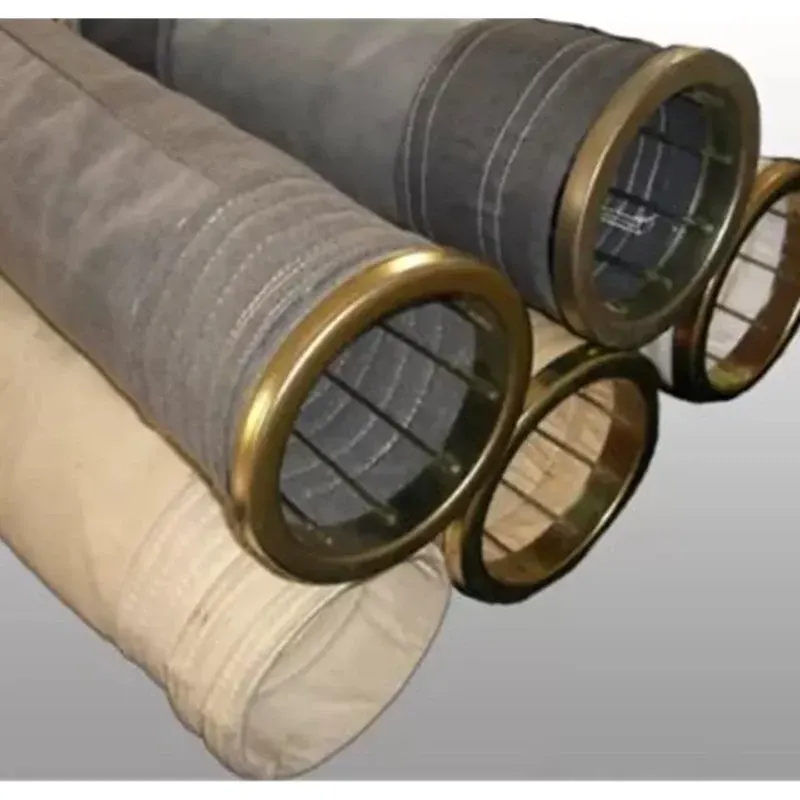
FLTS manufactures PP bags according to the dimensions of the existing unit or the newly engineered system. Felt selection, cutting, sewing and mouth assembly are planned in a single order. The bag diameter is cut with an allowance suited to the cage, and the length is determined according to the distance to the dust hopper. The mouth type is made as a snap band, drawstring or flanged type according to the tube sheet. For older units with no label information, a sample bag or the cage dimensions are used as the basis. For liquid filter bags, the size is selected according to the filter housing and the mouth ring according to the seating surface of the housing.
Installation and Maintenance
During installation, the bag mouth is seated fully on the tube sheet and the cage is lowered into the bag without force. In units with chemical dusts, corrosion progresses faster on the cages; a rusty or burred cage tears a new bag. For this reason the filter cages are also checked when the bags are replaced.
In operation, the pressure difference is monitored regularly. If the pressure difference does not fall after cleaning, the dust may have caked inside the felt; in this case the moisture source and the drying of the unit after shutdown are checked. The gas temperature is monitored; even short-term spikes can leave permanent hardening in polypropylene felt. All the bags are replaced at the same time.
Factors That Determine PP Filter Bag Prices
The price of a PP bag is in the economical group among dust collection bags. The items that determine the price are as follows: felt weight and surface treatment, bag size and quantity, mouth and bottom type, and order quantity. For liquid filter bags, the price is determined by the micron rating, the fabric type (felt or monofilament) and the mouth ring. The comparison is made on the actual service time of the bag in the chemical environment.
Where Is a PP Filter Bag Used in Dust Collection?
A PP filter bag is a felt or woven bag made from polypropylene fiber. On the dust collection side, it is selected for lines that run at low temperature and contain acids or bases. Polypropylene is resistant to acids and bases and is not affected by moisture. Because its surface is smooth, some sticky dusts release from the bag more easily.
The limit is temperature. If the temperature exceeds the polypropylene range and the gas is dry, a polyester filter bag is evaluated; if humid, an acrylic filter bag. For gas that is both hot and acidic, a PPS filter bag is needed.
The page also mentions monofilament bags used for liquid filtration. These are a separate product: they are selected by micron rating and are not installed in a dust collection unit. When requesting a quotation, state whether your polypropylene filter need is for dry dust or for liquid.
Polypropylene Filter Bag Applications
| Industry | Role of the bag | Note |
|---|---|---|
| Chemical industry | Capturing acidic or basic powder raw materials | The chemical type and concentration in the gas should be reported |
| Fertilizer production | Humid dust lines with chemical content | Temperature must stay within the polypropylene limit |
| Detergents and cleaning products | Transfer and packaging lines for basic powder raw materials | If the dust is sticky, the surface treatment is clarified in the quotation |
| Food | Collecting moisture-sensitive dusts such as sugar and salt | If there is a food-contact requirement, it should be stated separately |
| Metal plating | Filtration of process liquids (liquid-type bag) | A liquid bag is selected by micron rating and liquid type |
| Pharmaceuticals | Powder raw material and intermediate product lines | A chemical compatibility list should be shared |
What Is Needed to Choose the Right Bag
The exact values in the fabric datasheet are given at the quotation stage. For a PP filter bag, the following information is requested:
- Type of use: dry dust collection or liquid filtration.
- Operating temperature of the gas or liquid; the maximum value if there is a short-term temperature rise.
- Type of acid, base or solvent in the environment.
- Dust type and its behavior with moisture (caking, sticking).
- Target micron rating and flow for liquid filters.
- Unit or filter housing model, bag size and top type.
If the existing unit uses polyester bags and they fail early because of the chemical, a polypropylene bag of the same size can often be fitted directly. It is enough to send the dimensions and the symptom of failure.
Frequently Asked Questions
What temperature does a PP filter bag withstand?
A PP felt bag operates continuously at 90°C dry temperature. On lines above this limit, a different fiber is selected.
Which chemicals is a PP bag resistant to?
Polypropylene has high resistance to acids, alkalis and hydrolysis. It is weak against organic solvents; it is not used on a line with solvent vapor.
Can a PP bag be installed in place of a polyester bag?
If the temperature is within the polypropylene limit, a PP bag of the same size can often be installed directly. When the size of the existing bag and the signs of deterioration are provided, suitability is checked.
Are a PP liquid filter bag and a dust bag the same product?
No. A liquid filter bag is installed in a filter housing and selected by micron rating; a dust bag, on the other hand, works on a cage in a dust collection unit.
In which micron ratings is the PP liquid filter bag available?
Retention ratings such as 1, 5, 10 and 25 microns are available. The selection is made according to the type of liquid, its flow rate and the particle size to be retained.
Is the PP filter bag made in custom sizes?
Yes. Dust bags are made to size according to the tube sheet and cage dimensions, and liquid bags according to the filter housing.
General information on dust collection systems
General Details
| COMPOSITION | 100% POLYESTER |
| SCRIM | POLYPROPYLENE |
| WEIGHT | 525 g/m² ± 5% |
| AIR PERMEABILITY | 9,000 lt/dm²/h (Dp:200 Pa) |
| THICKNESS | 2.0 mm |
| TENSILE STRENGTH | Warp: 110 kgf/5 cm – Weft: 140 kgf/5 cm |
| SURFACE TREATMENT | CALENDERED AND SINGED |
| OPERATING TEMPERATURE | CONTINUOUS 90°C (DRY HEAT) |
| ACID RESISTANCE | EXCELLENT |
| ALKALI RESISTANCE | EXCELLENT |
| HYDROLYSIS RESISTANCE | EXCELLENT |
| SOLVENT RESISTANCE | POOR |
| OXIDATION RESISTANCE | GOOD |
Communication
Address: İkitelli Osb, Eskoop Industrial Estate, Block C7, No 464, Başakşehir / İstanbul
Tel: +90 212 549 70 02
Gsm: +90 539 858 76 29
Gsm : +90 555 100 76 29
E-Mail: info@filtresistemleri.com
E-Mail: satis@filtresistemleri.com
- Category
- Filter Bags
- Made in
- İkitelli OSB, Istanbul, Türkiye
- Updated