

ATEX Fan
5 October 2026
Baca Filtresi
21 October 2026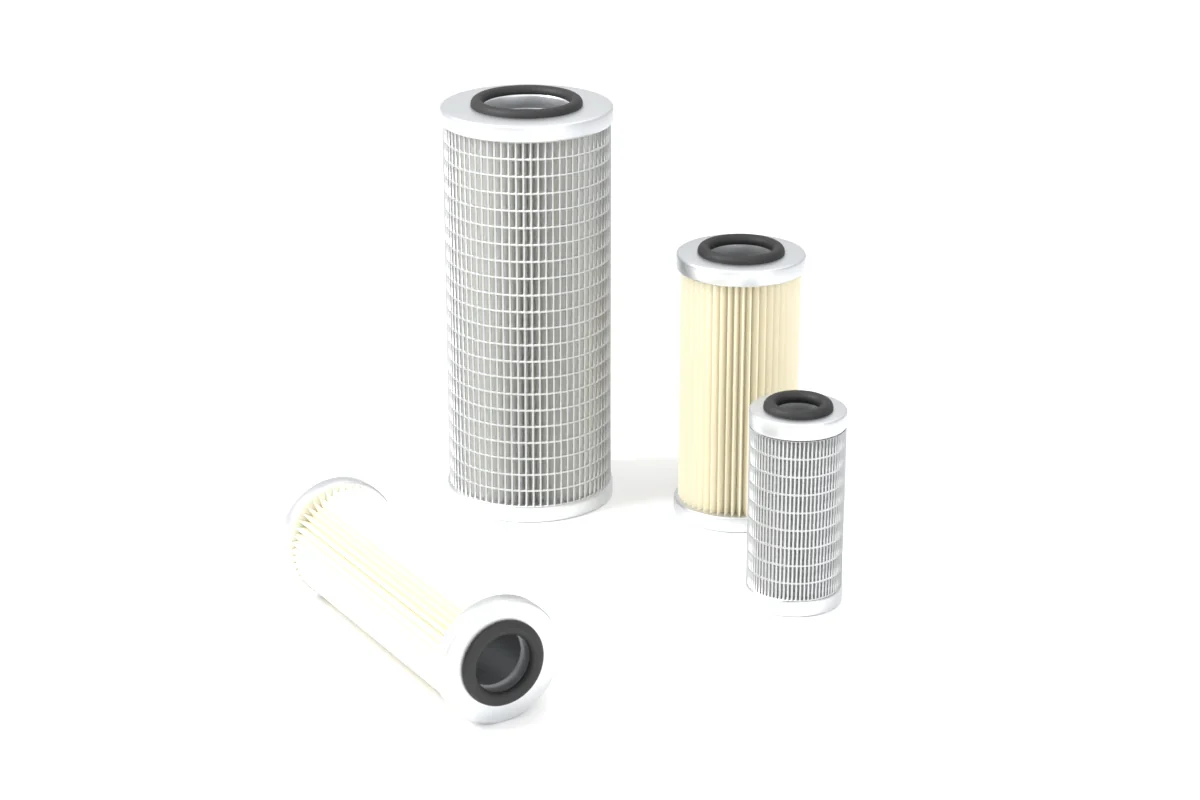
Hydraulic Filter
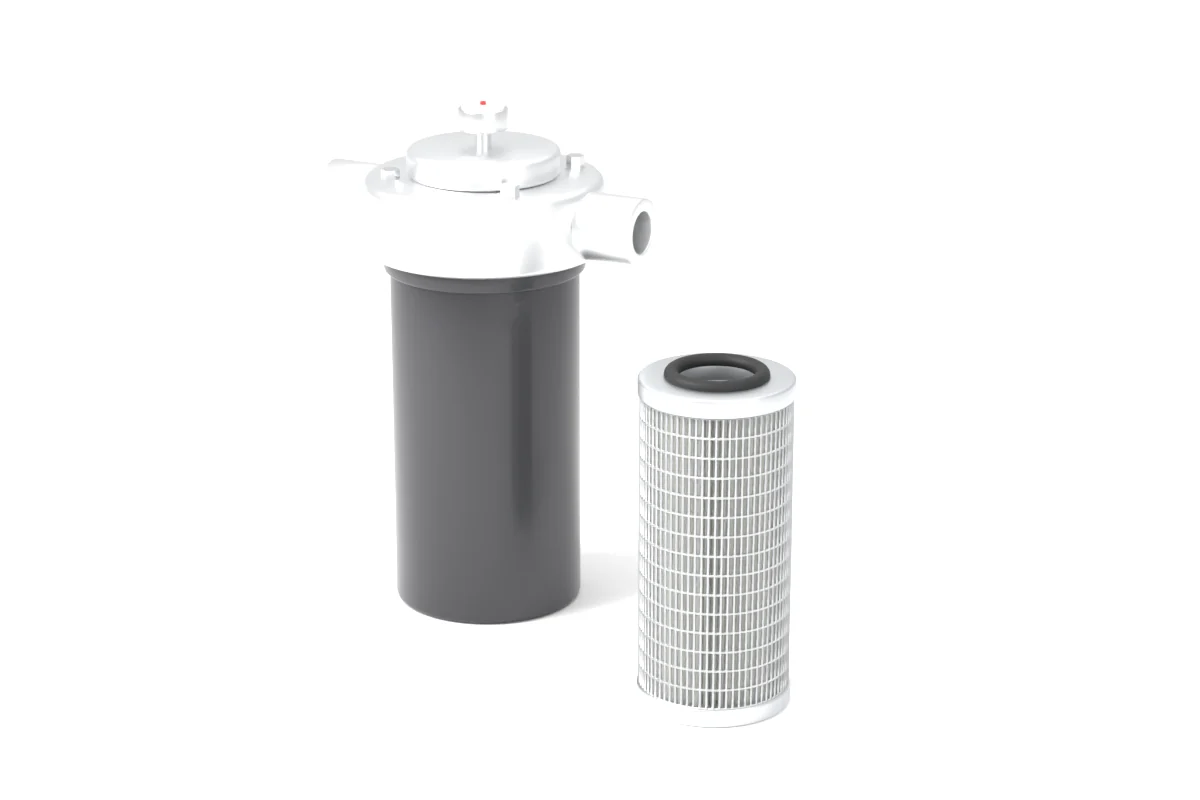
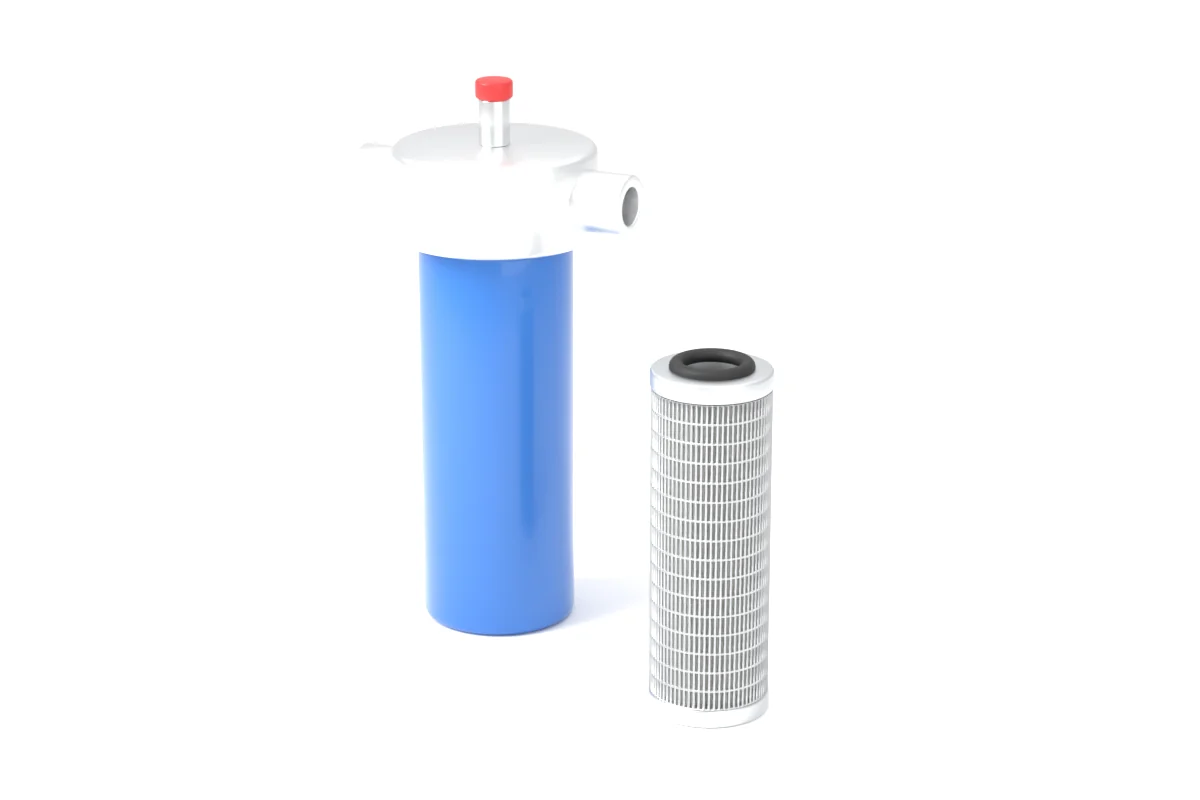
A hydraulic filter is a filter element that captures particles in hydraulic oil, protecting pumps, valves and cylinders against wear. Different types are available for suction, pressure and return lines.
At FLTS, we prepare quotes for your hydraulic filter and filter element requests based on dimensions or part numbers.
Capacity, filter area and housing dimensions are sized for your plant according to dust type, dust load and air flow. Share your process details and we will define the right system and quotation with you.
- Hydraulic Filter made in-house in İkitelli OSB
- Site survey and engineering for Hydraulic Filter
- Hydraulic Filter installation and commissioning
- Hydraulic Filter spare parts and maintenance
What Is a Hydraulic Filter?
A hydraulic filter is a filter element that captures solid particles, metal shavings and sludge residues in the oil circulating through a hydraulic system. As the oil passes through the element inside the filter housing, contaminants are retained on the element surface and clean oil is sent on to the system.
In hydraulic systems, the filter forms a protective barrier in front of close-tolerance components such as pumps, valves and cylinders. Every piece of equipment that runs on oil pressure, such as presses, injection molding machines, construction machinery and hydraulic power units, has at least one hydraulic filter.
What Does a Hydraulic Filter Do?
The job of a hydraulic filter is to maintain the cleanliness level of the oil. If dust, seal fragments and metal wear particles that get into the oil are not captured by the filter, they score pump and valve surfaces and compromise sealing.
Clean oil keeps system pressure stable and extends the service life of the oil. When the right filter is selected for a hydraulic system, breakdown-related downtime decreases and maintenance intervals become predictable.
Hydraulic Filter Types
Hydraulic Filter ElementsReturn Line FilterPressure Line FilterHydraulic filter types are named after the line in which they are installed. Each line has a different pressure and a different target particle size, so the filter housing and element design differ as well. The table below compares the filter types used in hydraulic systems.
| Filter type | Installation point | Typical filtration range | Protects |
|---|---|---|---|
| Suction line filter | In-tank, pump suction | 60 to 125 microns | Pump |
| Pressure line filter | Pump outlet | 3 to 25 microns | Valves and cylinders |
| Return line filter | Tank top or return pipe | 10 to 25 microns | Tank and overall oil |
| In-line filter | On the pipeline | Depends on the application | Downstream equipment |
| Breather filter | Tank cap | 3 to 10 microns | Air entering the tank |
Suction Line Hydraulic Filter
The suction filter sits inside the tank on the pump suction port and keeps coarse particles in the oil from reaching the pump. Thanks to its wire mesh element, it can be washed and reused. It is selected with a large surface area and low pressure drop so that it does not restrict pump suction.
Pressure Line Hydraulic Filter
The pressure filter is installed at the pump outlet and finely filters the oil going to the valves and cylinders. Its housing is made of steel or aluminum to withstand the system’s operating pressure. In systems with servo and proportional valves, the finest filtration takes place on this line.
Return Line Hydraulic Filter
The hydraulic return filter captures wear particles generated in the circuit just before the oil flows back into the tank. Most power units use a tank-top type, and the element is replaced by opening the cover. Hydraulic tank filters on construction machinery also belong to this group.
In-Line Hydraulic Filter
An in-line hydraulic filter is connected into the pipeline at both ends and is preferred where access to the tank is difficult. It is also known as a hydraulic line-mounted filter. Models with clogging indicators and bypass valves are available.
Breather Filter
As the oil level in the tank changes, air is drawn in and carries ambient dust with it. The breather filter is fitted to the tank cap and prevents dust from entering the oil from outside.
Hydraulic Oil Filter Element Materials
The material of a hydraulic oil filter element determines its filtration accuracy and dirt-holding capacity. Fiberglass elements provide high efficiency on fine particles and are common in pressure and return lines. Cellulose paper elements are an economical solution used in systems with moderate filtration requirements.
Stainless steel wire mesh elements are washable and preferred on the suction line. Water-absorbing elements are selected to remove water from the oil, and metal fiber elements for high-temperature applications.
What to Consider When Selecting a Hydraulic Filter
Hydraulic filter selection begins by identifying the line where the filter will be installed and the equipment to be protected. A poorly chosen filter either does not clean adequately or clogs quickly and causes pressure loss in the system. The following values are evaluated together during selection.
- Operating pressure and flow rate of the line
- Micron rating required by the equipment to be protected
- Oil type and its viscosity at operating temperature
- Pressure drop across a clean element
- Connection size and mounting type
- Need for a bypass valve and clogging indicator
If you are looking for an equivalent to an existing filter, the part number on the element plus its outer diameter, inner diameter and length are sufficient.
Hydraulic Filter Symbol
In hydraulic circuit diagrams, a filter is shown as a square standing on one corner, and the dashed line running through the square represents the filter element. A spring and check valve symbol next to it indicates the bypass valve, while a gauge symbol indicates the clogging indicator.
Hydraulic Filter Maintenance and Replacement
Hydraulic filter maintenance is carried out by monitoring the clogging indicator. The element is replaced when the indicator moves into the red zone or when the operating hours specified by the manufacturer have been reached. The filter element is also renewed at every oil change.
A filter that is not replaced becomes clogged, and the bypass valve opens to send unfiltered oil into the system. When this happens, the pump may start running noisily, cylinder movements slow down and valves begin to stick. Spare elements should be stored in a dust-free, dry place in their unopened packaging.
Hydraulic Filter Prices
Hydraulic filter prices vary according to filter type, connection size, operating pressure and element material. Pressure filters with fiberglass elements are priced higher than wire mesh suction filters. There is also a marked price difference between a complete filter with housing and a replacement element alone.
At FLTS Filtre Sistemleri, we prepare pricing for hydraulic filters and filter elements based on the dimensions or part number you send us. You can submit your request through our request a quote form, and for other product groups you can browse our filter spare parts page.
Frequently Asked Questions
What is the filter that cleans the oil in a hydraulic system?
The element that cleans the oil in a hydraulic system is the hydraulic filter. Filters installed on the suction, pressure and return lines capture the particles in the oil.
What happens if a hydraulic filter is not replaced?
A clogged filter goes into bypass and dirty oil passes into the system. Wear on pumps, valves and cylinders accelerates.
When should a hydraulic filter be replaced?
It is replaced when the clogging indicator gives a warning or when the recommended operating hours have been reached. The element should also be renewed at every oil change.
What happens if a hydraulic filter is used instead of an engine oil filter?
The two filters differ in pressure rating, micron rating and bypass setting. Using one in place of the other leads to inadequate filtration or element damage.
How many microns should a hydraulic filter be?
The micron rating is determined by the equipment to be protected. 3 to 5 microns is common for systems with servo valves, and 10 to 25 microns for general systems.
- Category
- Filter Spare Parts
- Made in
- İkitelli OSB, Istanbul, Türkiye
- Updated