





Plasma Cutting Cartridge Filter
A plasma cutting cartridge filter is an industrial filtration product used to filter the fumes, fine particles and metal dust generated when metal materials are processed on plasma cutting machines. Because of the high temperatures and rapid material separation during plasma cutting, effectively controlling the resulting particles is important for air quality in the production area and for the efficient operation of the dust collection system.
Used especially in sheet metal processing, steel construction, metal fabrication, CNC plasma cutting and automated cutting lines, the plasma cutting cartridge filter offers an effective solution in compact filter units thanks to its design, which provides a large filtration surface.
When choosing a filter, the type of material being cut, the capacity of the plasma machine, the air flow rate, the fume density and the properties of the existing dust collection system should be assessed together.
What Is a Plasma Cutting Cartridge Filter?
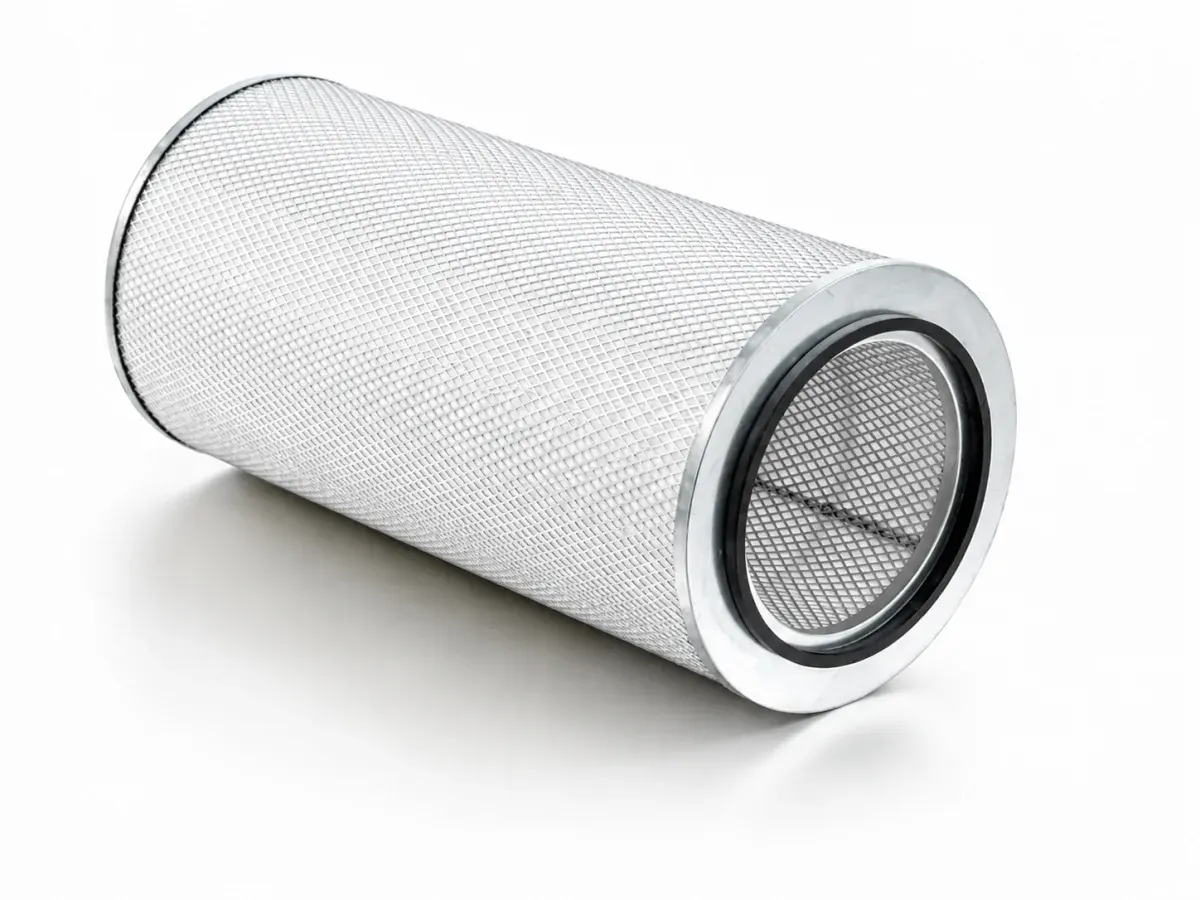
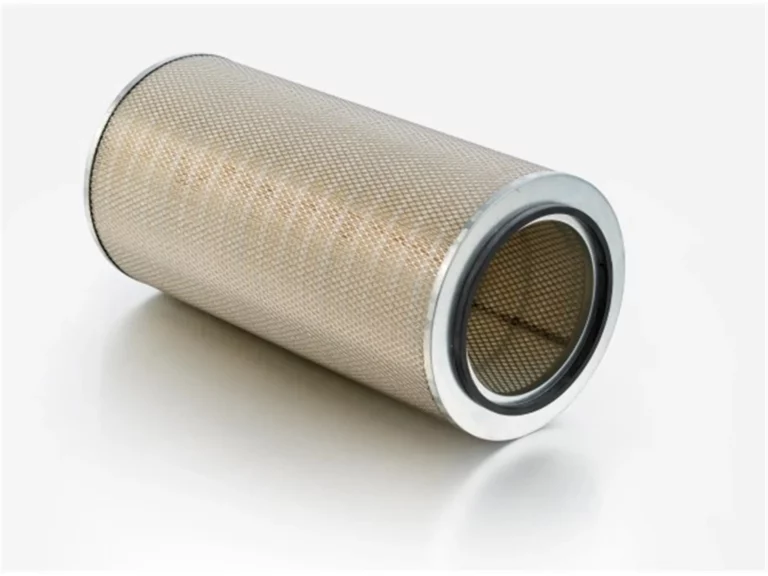
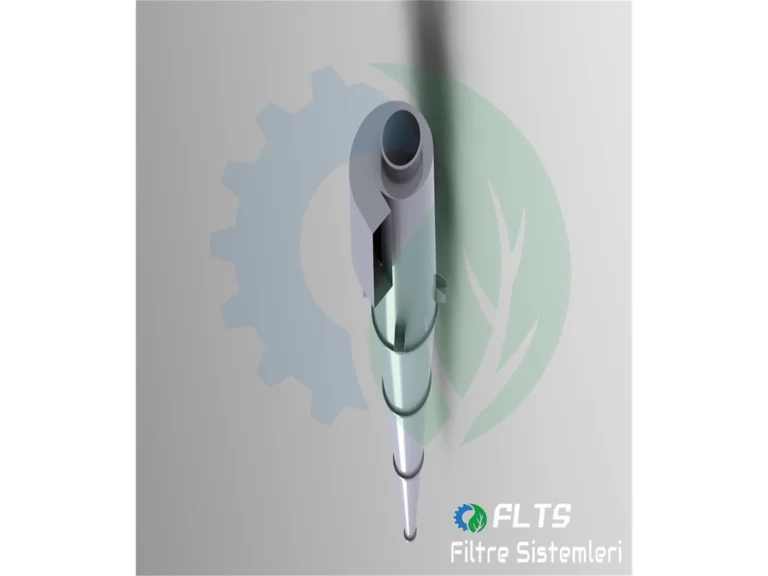
A plasma cutting cartridge filter is a cartridge-type industrial filter that filters the fumes and particles generated during plasma cutting within the extraction system.
The pleated filter media of a cartridge filter can create a larger filtration area than standard cylindrical filters. This helps achieve a large filtering surface within a limited filter volume.
The filter’s design and the filter media used can be changed to suit the application. Especially in systems with heavy metal fume, the particle capture properties and air permeability of the filter media should be taken into account.
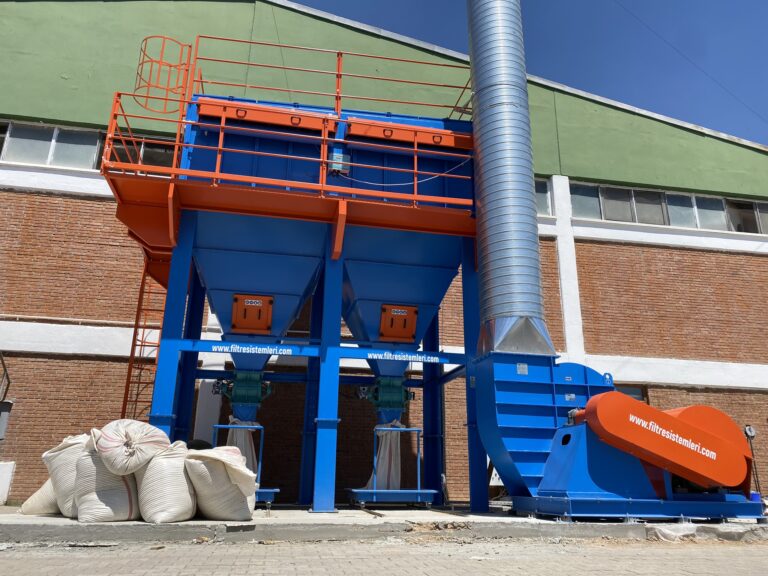
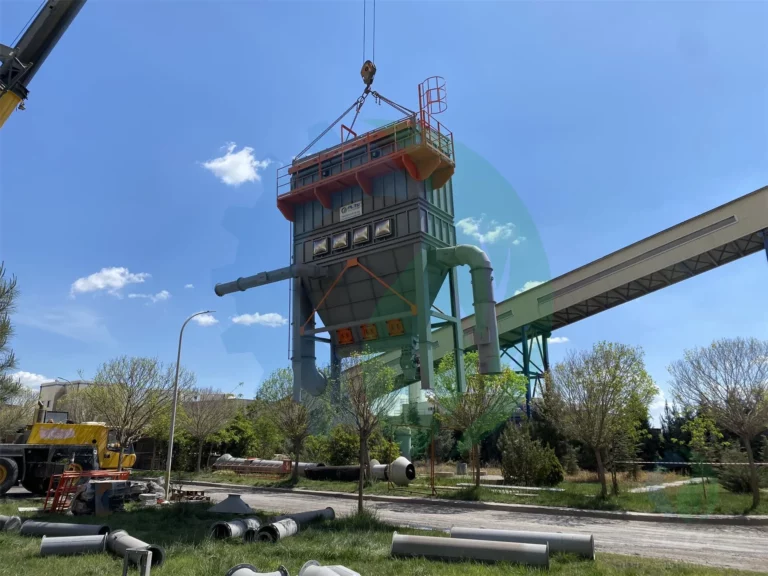
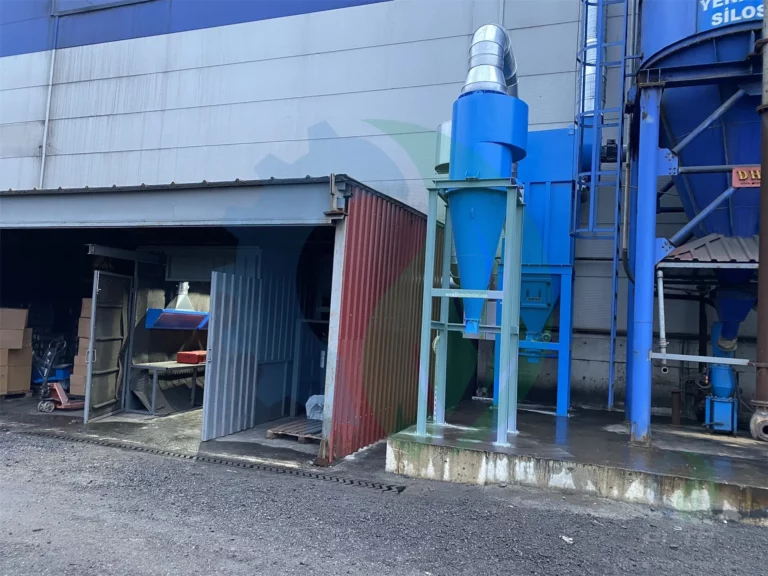
Where Are Plasma Cutting Filters Used?
A plasma cutting filter can be used in many industrial plants where metal cutting is carried out.
The main applications
- CNC plasma cutting machines
- Automated plasma cutting tables
- Sheet metal processing facilities
- Steel construction plants
- Metal fabrication workshops
- Machinery manufacturing facilities
- Iron and steel processing
- Stainless steel cutting
- Heavy industry plants
- Industrial fume extraction systems
- Central dust collection systems
- Combined plasma and laser cutting systems
The plasma cutting cartridge filter used in businesses that carry out plasma cutting should be selected to suit the capacity of the existing extraction system and the particle load generated.
Advantages of the Plasma Cutting Cartridge Filter
A correctly selected plasma cutting cartridge filter can contribute to the operating efficiency of the dust and fume collection system.
Main advantages:
- Provides a large filtration surface.
- Has a compact design.
- Helps capture fine metal particles.
- Can be used to filter plasma cutting fume.
- Can work together with automatic cleaning systems.
- Filter replacement can be made easier.
- Different size and connection options can be offered.
- Different filter media can be used depending on the application.
- Can be adapted to central and stand-alone dust collection systems.
Why Should Plasma Cutting Fume Be Filtered?
During plasma cutting, processing metal at high temperatures produces fumes and various particles. Instead of spreading uncontrolled into the work environment, these particles need to be collected in a suitable extraction and filtration system.
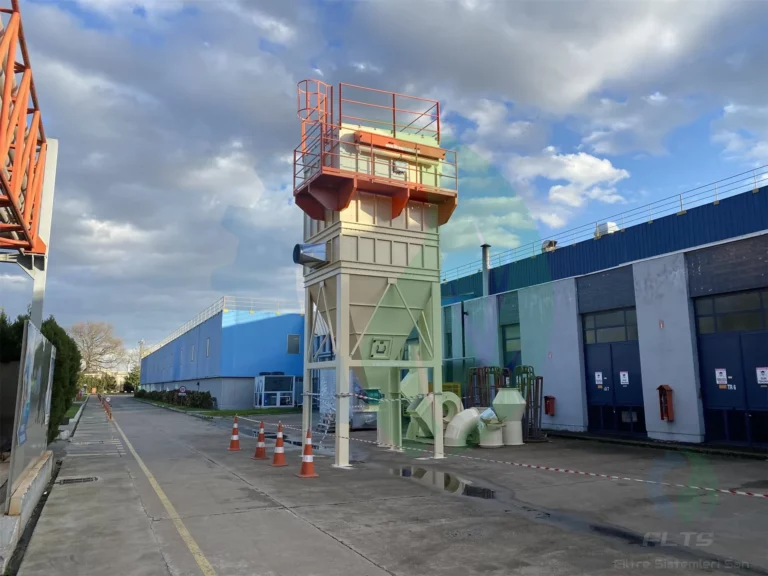
This is where the plasma cutting cartridge filter is one of the key parts of the dust collection system. Dirty air drawn in by the extraction fan is passed through the cartridge filters so that the particles are captured on the filter surface.
Using a powerful fan alone is not enough for the system to work efficiently. There must be the right match between the plasma cutting filter, the filter area, the filter media and the air flow rate.
How to Choose a Plasma Cutting Cartridge Filter
When choosing a plasma cutting cartridge filter, the operating conditions of the system need to be assessed as well as the filter size.
The following information is particularly important:
- Filter diameter
- Filter length
- Filtration area
- Filter media
- Air flow rate
- Fan capacity
- Operating temperature
- Type of metal being cut
- Cutting capacity
- Fume density generated
- Particle characteristics
- Filter cleaning system
- Connection dimensions of the existing filter
Once this information has been correctly determined, a plasma cutting filter suited to the application can be selected.
Choosing the wrong cartridge filter can increase pressure loss in the system and cause the filters to load sooner than expected. For this reason, it is important to base filter selection on the technical data of the existing system.
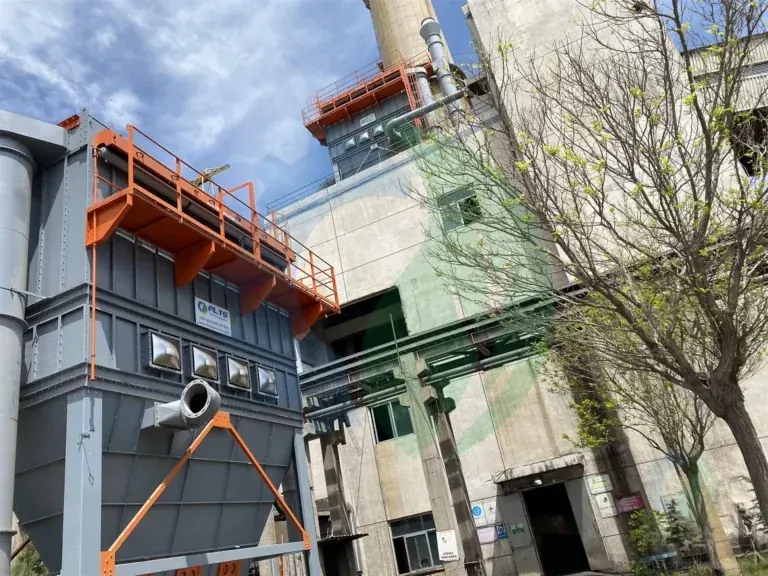
Plasma Cutting Cartridge Filters with Pulse Jet Cleaning
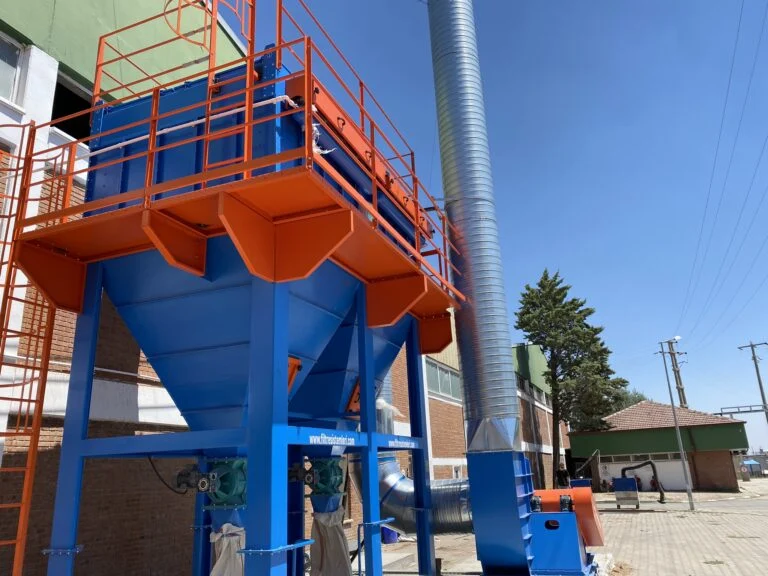
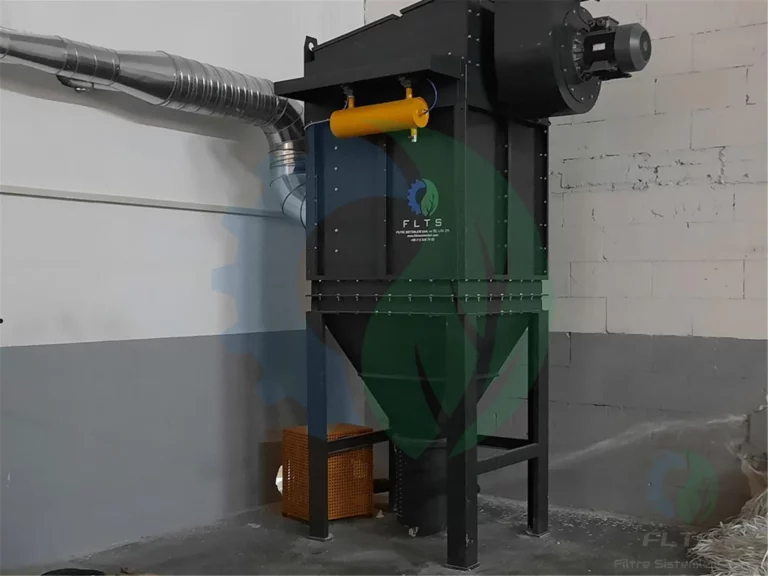
Pulse Jet technology can be used to clean the cartridge filters used in plasma cutting systems.
In a Pulse Jet system, compressed air is directed at the filter surface at regular intervals. The resulting air pulse removes a large part of the particles that have built up on the filter surface.
This method can help maintain filter performance in industrial applications with heavy particle loads.
When choosing a plasma cutting cartridge filter for a Pulse Jet system, the suitability of the filter media for the cleaning method should also be taken into account.
Which Filter Media Are Plasma Cutting Filters Made With?
The filter media to be used in plasma cutting applications should be determined according to the operating conditions of the filtration system.
When selecting a filter, properties such as
- Filtration efficiency
- Air permeability
- Dust holding capacity
- Mechanical strength
- Operating temperature
- Cleanability
- Service life
can be taken into account.
Using the right filter media can help maintain plasma cutting cartridge filter performance and optimise filter replacement intervals.
Cartridge Filters in Laser and Plasma Cutting Systems
In many metalworking facilities, laser and plasma cutting machines may be used in the same production area. In this case, shared or separate fume extraction systems can be designed.
Because the particle characteristics in the two applications may not be the same, filters must be selected according to machine and process characteristics.
Even if the cartridge filter used for laser cutting and the plasma cutting cartridge filter have the same dimensions, the filter media or filtration properties may be assessed differently depending on the application.
Plasma Cutting Cartridge Filter Production
Plasma cutting cartridge filters can be produced in different diameters, lengths, connection types and filtration areas as required.
When a custom-size filter is needed, taking the dimensions of the existing cartridge filter makes it easier to prepare the product correctly.
By determining the filter diameter, filter length, connection type, total filtration area and filter media, a cartridge filter solution suited to the existing dust collection system can be created.
Plasma Cutting Cartridge Filter Prices
Plasma cutting cartridge filter prices can vary depending on the product’s dimensions and technical specifications.
The main factors that affect pricing:
- Filter diameter
- Filter length
- Filtration area
- Filter media
- Filter connection type
- Material used
- Order quantity
- Custom production requirements
For this reason, rather than simply searching for a “plasma cutting filter”, determining the technical dimensions of the existing filter allows a more accurate product and price comparison.
Plasma Cutting Filter Replacement
Filter performance can decline over time as particles build up on the filter surface. Filter replacement may be needed when the filter cleaning system is not sufficient or when the cartridge filter has reached the end of its service life.
When choosing a new plasma cutting cartridge filter, the diameter, length, connection design and filter media of the existing filter should be matched as closely as possible in technical terms.
Correct filter replacement can help maintain the air flow and extraction performance of the dust collection system.
Why Use a High-Quality Plasma Cutting Cartridge Filter?
Because the filter in plasma cutting systems is constantly exposed to particle loads, filter quality is of great importance.
With a high-quality plasma cutting cartridge filter suited to the application,
- maintained filtration performance,
- controlled pressure loss,
- longer filter service life,
- reduced maintenance requirements,
- and a more efficient dust collection system
can be achieved.
For this reason, filter selection should take into account not only price but also the filter’s technical specifications and compatibility with the existing system.
The Right Solution for Plasma Cutting Cartridge Filters
The plasma cutting cartridge filter is an important filtration product that helps control the fumes and particles generated by CNC plasma cutting machines and industrial metalworking systems.
When choosing the right filter, the machine’s capacity, air flow rate, material being cut, particle concentration and filter cleaning system should be assessed together.
Plasma cutting filter solutions can be created in standard or custom sizes as required. If the dimensions of the existing filter are shared, the right cartridge filter size and filter media can be determined.