





Foundry dust collection systems are units engineered specifically for each plant to capture and filter, at the source, the dust and fumes released on every line from melting to fettling. Because a foundry environment combines high temperatures, sparks, oily fumes and sand dust containing crystalline silica, it cannot be handled with a standard filter package. The temperature, dust characteristics and airflow of each source are calculated separately.
In foundry dust collection applications, the goal is not only to reduce stack emissions. Cleaning the air breathed by the operator at the furnace, stopping sparks before they reach the filter and discharging dust without causing blockages in the system are all part of the same project. FLTS combines these three aspects in a single engineering study.
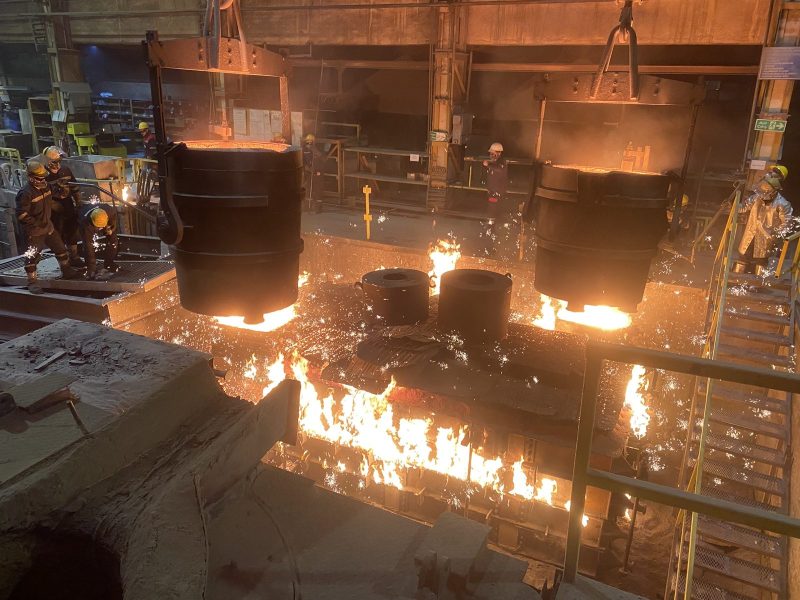 Fumes released during ladle pouring are captured at the source
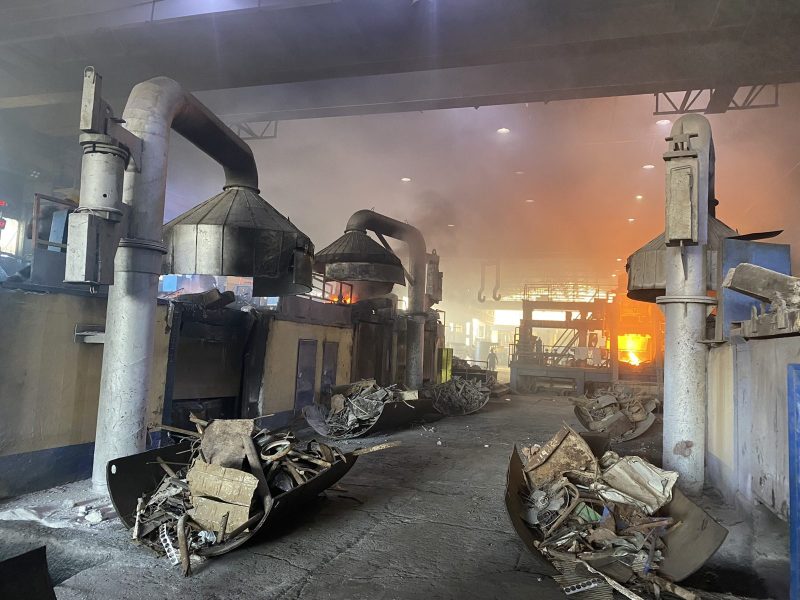 Fume extraction hoods above induction furnaces
 Dust extraction system on the fettling and grinding line
 Casting production hall and extraction ducts
Dust and Fume Control in Foundries
The pollutants generated in foundries are not uniform. While submicron metal oxide fumes form in the melting area, coarser and abrasive silica dust is released on sand preparation and shake-out lines, and sparks are carried along with metal chips in the grinding area. For this reason, foundry fume extraction systems and dust extraction lines are designed separately in most projects, because metal fumes reach the filter at high temperature and must first pass through a gas cooling stage.
Control is structured in three stages. Source capture traps pollutants at the point of release using hoods and movable arms; local extraction works with overhead hoods or enclosures on large sources such as furnaces and shake-out; and general ventilation dilutes fugitive pollutants and refreshes the ambient air. Hood capture velocity is set according to the weight of the dust, because insufficient velocity lets pollutants escape into the workspace, while excessive velocity causes unnecessary energy consumption.
Processes Where Foundry Dust Collection Systems Are Used
When a foundry filter system is engineered, the plant is treated not as a single line but as the sum of distinct sources. Each process enters the calculation with its own temperature, dust load and operating regime.
Melting, Sand Preparation and Post-Casting Operations
| Process | Pollutant released | Preferred solution |
|---|---|---|
| Melting furnaces | High-temperature metal oxide fumes | Hood and gas cooling stage |
| Ladle transfer and pouring | Dense fumes and hot particles | Movable hood or local extraction |
| Sand preparation and silos | Fine dust containing crystalline silica | Enclosed extraction at transfer points |
| Core making | Resin and amine vapors | Separate extraction line and appropriate disposal |
| Shake-out and knockout grids | Hot, high-concentration sand dust | Enclosed extraction and pre-separator stage |
| Sandblasting booths | Mixed abrasive and mill scale dust | Cartridge filter with high surface area |
| Grinding and fettling | Metal chips and sparks | Spark arrestor and cyclone pre-separation stage |
Some of these sources operate continuously, while others run intermittently within a shift. If the airflow calculation ignores simultaneity, the fan is oversized and operating costs rise permanently. Conversely, when the airflow is underestimated, the hoods cannot capture the pollutants and emission measurements exceed the limit value.
A correct design requires evaluating which source comes online in which shift together with the production plan. If a continuously running furnace line and a sandblasting booth that operates only a few hours a day are to be connected to the same filter, the damper and automation design is also based on this plan.
Foundry Dust Collection System Manufacturing and Engineering
Engineering begins with site measurements: the temperature and dust characteristics of each source are determined, the duct route is drawn up and the filter area is calculated from the total airflow. Equipment is selected based on this calculation; on lines with heavy fine and sticky fumes the jet pulse bag filter stands out, while in compact applications dominated by dry, fine dust the foundry jet cartridge filter is preferred.
A foundry filter system does not consist of a single unit. A gas cooling unit is added upstream of the filter on furnace lines, and a pre-separator cyclone on grinding and shake-out lines that carry a spark risk. The filter bag material is determined by the operating temperature; high-temperature lines carrying furnace fumes require meta aramid or glass fiber bags.
- 1Site surveySite visit, identification of sources and lines
- 2Airflow measurementExtraction points and total airflow
- 3EngineeringFilter area, duct route, equipment selection
- 4ManufacturingProduction of filter housing, hoods, ducts and fans
- 5InstallationOn-site installation and duct connections
- 6CommissioningMeasurement, adjustment and recording of reference values
Foundry Dust Collection System Prices
No single list price can be given for foundry dust collection systems, because foundry filter systems are sized according to the plant’s own data. Even if two foundries pour the same tonnage, the cost will differ if the duct length and number of sources differ. When pricing foundry dust collection systems, total airflow, calculated filter area and the selected filter fabric come first.
Abrasive dust and high temperatures increase the sheet thickness of the housing; as pressure drop rises, fan motor power and energy consumption grow; and the number of sources and the route length determine the duct and hood lengths. The need for gas cooling on furnace lines, the explosion protection equipment that is mandatory in plants handling combustible dust, and the scope of installation and commissioning are also reflected in the total cost. The correct price becomes clear once site measurements are taken and the airflow calculation is completed.

FLTS Filtre Sistemleri
Design, manufacturing and installation of foundry dust collection systems
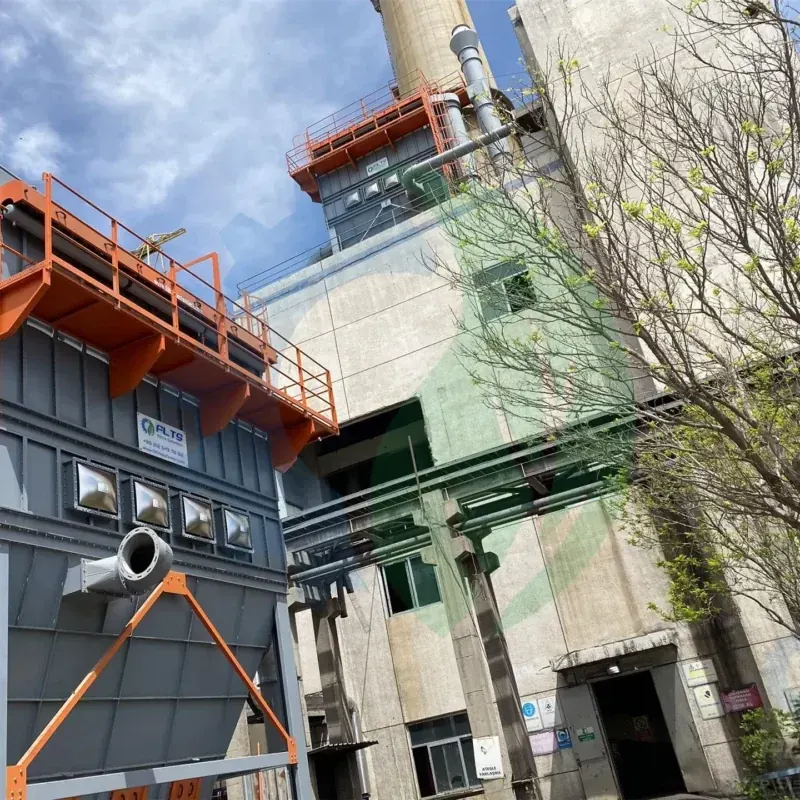 Jet Pulse Bag Filter
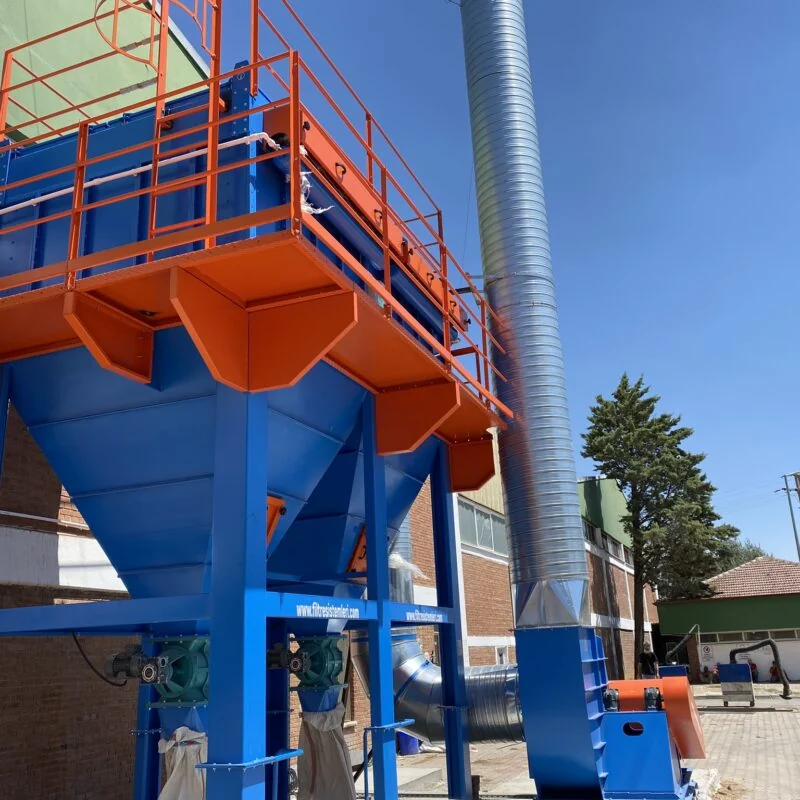 Jet Pulse Cartridge Filter
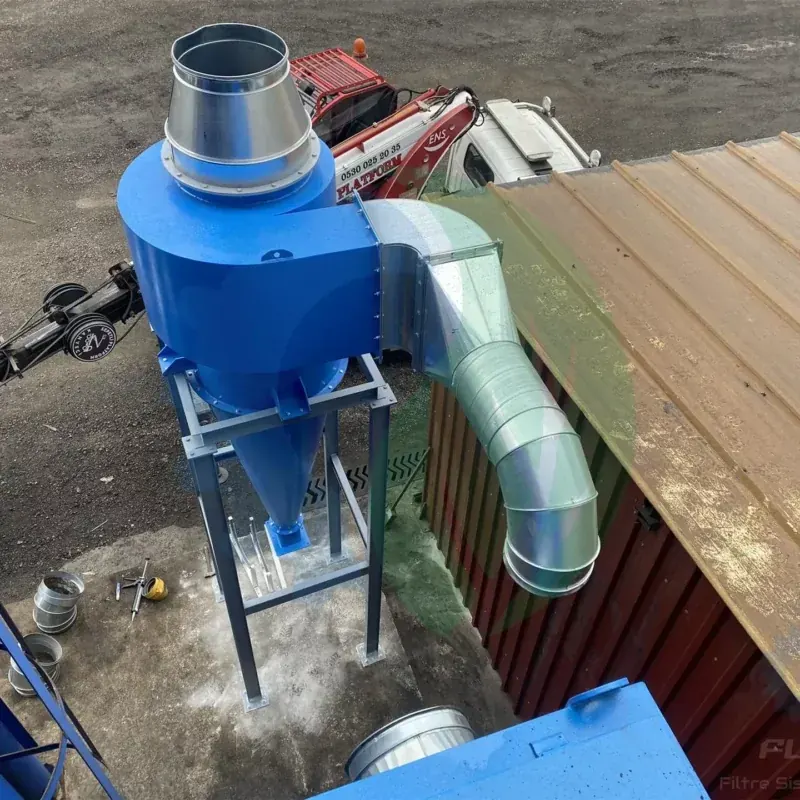 Cyclones / Pre-Separator Cyclone Filter
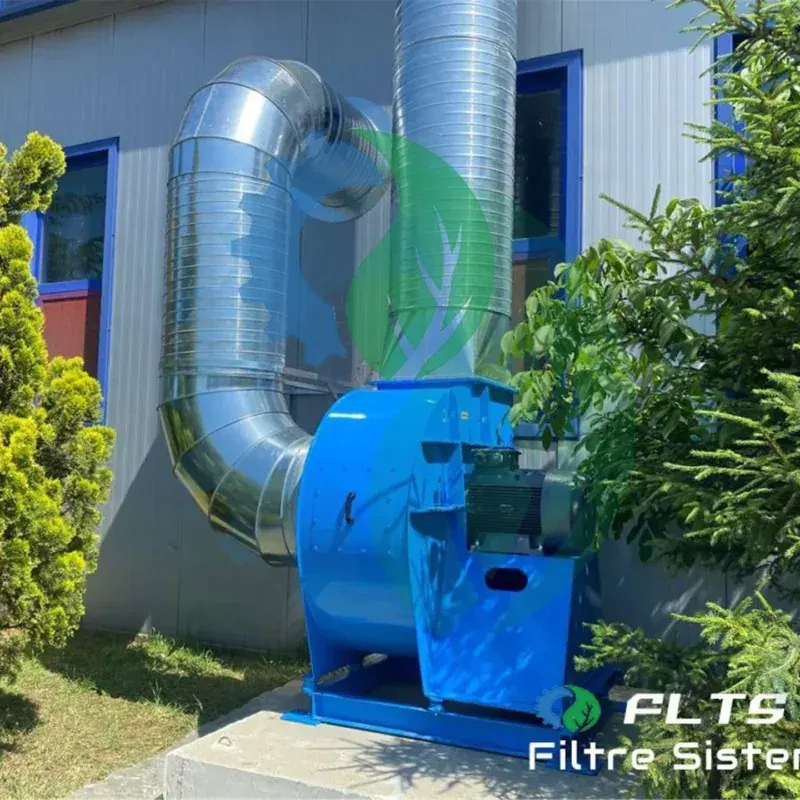 Industrial Fans


What Should Be Considered When Selecting a Foundry Dust Collection System?
An incorrectly sized foundry filter system both fails to meet emission limits and places a permanent energy burden on the plant. Eight factors are decisive at the selection stage.
- Temperature profile: the actual operating temperature of each line directly determines the bag material
- Dust characteristics: abrasive, oily or combustible dust requires different filter and housing solutions
- Simultaneity: how sources that do not run at the same time affect the total airflow must be calculated
- Air-to-cloth ratio: correctly sizing the filter area for the airflow determines pressure drop and bag life
- Spark control: without a spark arrestor on grinding and shake-out lines, the filter is put at risk
- Dust discharge: rotary valve and screw conveyor capacity must match the amount of dust collected
- Regulatory compliance: emission values are assessed under the Regulation on the Control of Industrial Air Pollution
- Occupational health limits: a separate limit value is defined for crystalline silica under the Regulation on Dust Control
All of these factors are interconnected in the design of foundry ventilation systems. In aluminum and magnesium casting, the dust is classed as combustible, so antistatic bags and explosion protection equipment are included in the project from the outset. The choice between a bag filter unit and a foundry jet cartridge filter is also made on the basis of the same data; a miscalculation in a single item reduces the efficiency of the entire system.
Project-Specific Solutions with FLTS Foundry Dust Collection Systems
In foundry filter systems, FLTS handles engineering, manufacturing, installation and commissioning from a single source. Foundry fume extraction systems and dust lines are addressed within the same project, because together they determine the total airflow of the plant. Foundry jet pulse filter units, hoods, duct lines, industrial fans and dust discharge equipment come from our own production, so the project proceeds under a single responsibility.
Work starts with a site visit. Existing lines are inspected, airflow is measured, and foundry ventilation systems and the filter line are sized together; the plant-specific solution is then detailed at the quotation stage. Whether it is the retrofit of an existing foundry jet pulse filter unit or a line built from scratch, we draw on our field experience in the iron and steel, automotive and metalworking sectors.
Frequently Asked Questions About Foundry Dust Collection Systems
Why are foundry dust collection systems important?
They remove the harmful dust and fumes generated during production from the work environment. They help protect worker health and reduce air pollution.
How long do foundry filters last?
Filter life depends on dust concentration, operating temperature and maintenance conditions. Regular maintenance and correct use extend filter life.
How much energy do foundry dust collection systems consume?
Energy consumption varies with fan motor power, airflow and system operating time. Proper engineering can reduce unnecessary energy consumption.
Can a dust collection system be installed in an existing foundry?
Yes, suitable dust collection systems can be installed on existing production lines. Before installation, the plant layout and extraction requirements are assessed.
How often should foundry dust collection systems be cleaned?
Cleaning frequency depends on the amount of dust and how intensively the system is used. Filters and dust hoppers should be checked regularly and cleaned when needed.
Dust Collection Differences by Casting Type
Foundry dust varies with the metal being cast and the molding method used. In a foundry dust collection project, this difference determines the filter material, the pre-separation stage and the safety measures.
| Casting type | Main dust and fumes | Key selection consideration |
|---|---|---|
| Gray and ductile iron casting (sand molding) | Silica-bearing sand dust, shake-out dust | Heavy-gauge housing for abrasive dust, enclosed extraction at transfer points |
| Steel casting | High-temperature metal oxide fumes | Gas cooling upstream of the filter, bag suited to the temperature |
| Aluminum casting | Combustible metal dust, melting fumes | Antistatic bag, explosion protection equipment |
| Brass and bronze casting | Very fine metal oxide fumes | Filter surface that captures fine particles, source capture |
| Core making | Resin and amine vapors | Extraction separate from the dust line and appropriate disposal |
| Grinding and fettling | Metal chips, sparks | Spark arrestor and cyclone pre-separation stage |
On high-temperature furnace lines, the gas cooling unit and the meta aramid filter bag are evaluated together. The temperature a bag can withstand is generally determined by the fabric type; the exact value is given in the quotation together with the fabric data sheet. On lines carrying sparks, a cyclone protects the filter.
Information to Prepare When Requesting a Quote for Foundry Dust Collection
Preparing the following information before the site survey ensures that the right capacity is discussed at the first meeting:
- Types of metal cast and daily or monthly casting tonnage.
- Furnace type and number (induction, arc, cupola) and operating hours.
- Areas requiring extraction: melting, sand preparation, shake-out, sandblasting, grinding.
- The location of each area on the layout plan and the distances between them.
- If there is an existing filter: its type, bag material and the problems experienced.
- The latest stack emission measurement report and workplace dust measurements.
- Preferred method for discharging the collected dust: big bag, container or screw conveyor transport.