





Summarize with AI
Which Product for Which Job?
A dust explosion occurs when combustible dust suspended in the air ignites inside a closed housing. Filter housings, silos and bunkers are where this risk is seen most often. The two products in this category relieve pressure safely; in the table you can also find the complementary products used with them.
| Product | What it does | When it is selected |
|---|---|---|
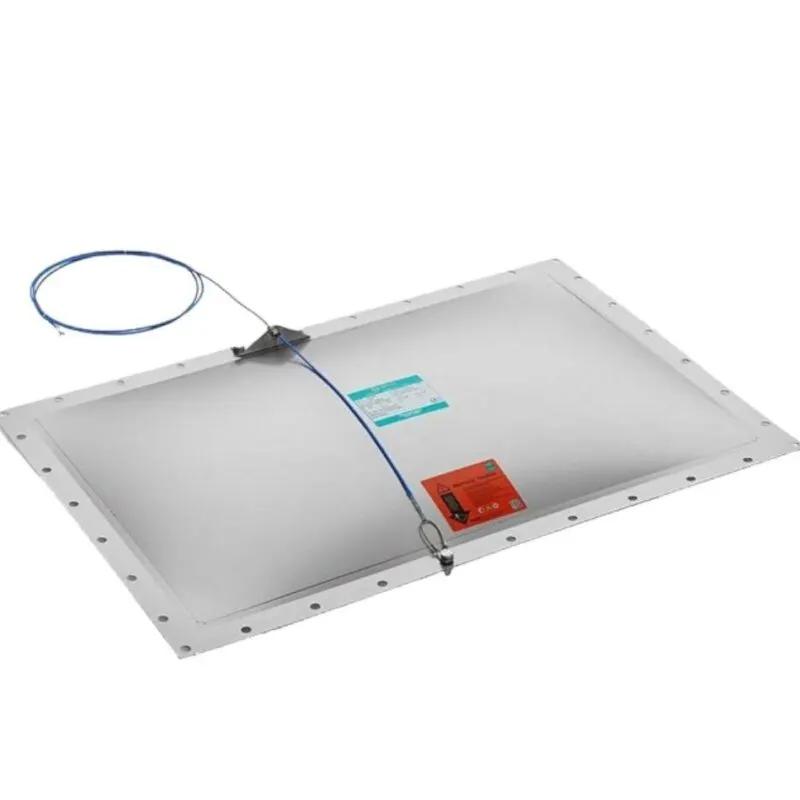
| Explosion Vent | Opens at a set pressure and directs the flame and pressure outward | If the equipment is near an exterior wall and the venting direction is safe |
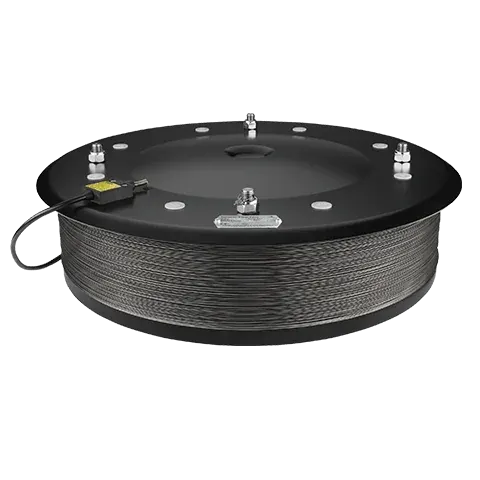
| Flame-Free Ventilation Chimney | Extinguishes the flame while relieving pressure | If the equipment is inside a building and a vent duct cannot be run |
| Antistatic Filter Bag (complementary) | Prevents the build-up of static electricity on the bag | If there is combustible dust in a bag unit |
| Antistatic Cartridge Filter (complementary) | Reduces static charge on the cartridge | If there is combustible dust in a cartridge unit |
| ATEX Explosion-Proof Fan (complementary) | Prevents the fan from becoming an ignition source | If the fan carries dusty or gas-laden air |
Industries with Dust Explosion Risk and Recommended Products
| Industry | Typical need from this category | Recommended product |
|---|---|---|
| Flour, feed, sugar | Filters and silos carrying organic dust | Explosion vent, flame-free venting indoors |
| Wood and furniture | Sawdust cyclone and bag filter | Explosion vent, antistatic bag |
| Powder coating | Cartridge unit behind the booth | Flame-free venting, antistatic cartridge |
| Aluminum and metal dust | Grinding and sanding line | Explosion vent; in most cases a water filter is also evaluated |
| Pharmaceuticals and chemicals | Dryer and process filter | Flame-free ventilation chimney |
| Plastics and rubber | Granule and grinding dust | Explosion vent |
Information to Prepare When Requesting a Quotation for Explosion Prevention Systems
- Type of dust and, if available, dust explosion test results.
- Equipment to be protected: filter, silo, bunker or dryer, with its internal volume.
- Design strength of the equipment or manufacturer information.
- Whether the equipment is indoors or outdoors, and whether people pass in the venting direction.
- Size of the surface on the housing where a vent can be fitted.
- If you have an explosion protection document, the relevant section.
You can add the information to the quotation form.
