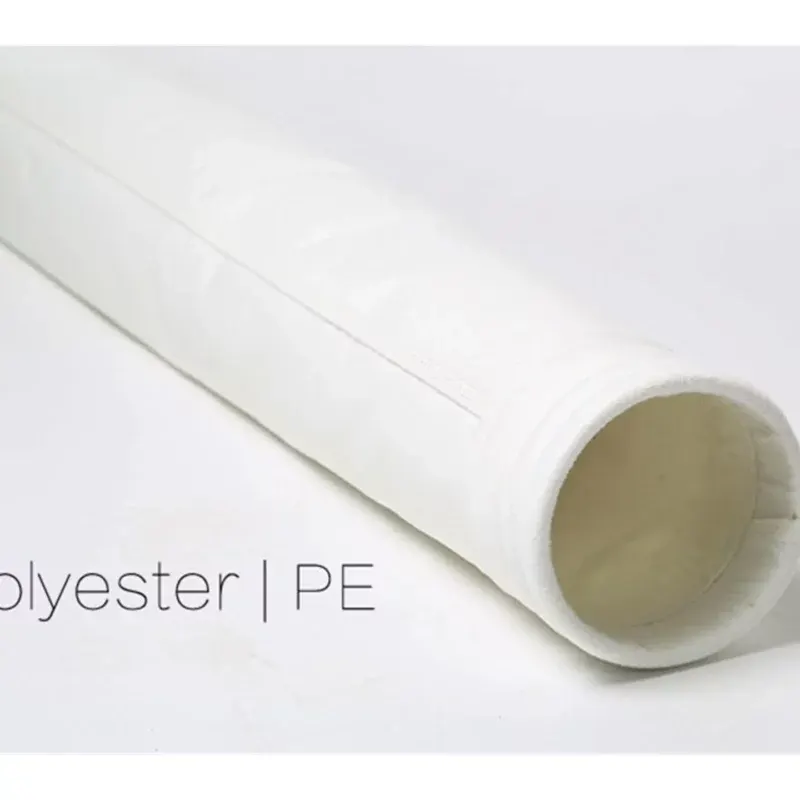






Polyester Filter Bag – Industrial Dust Collection and Filtration Solution
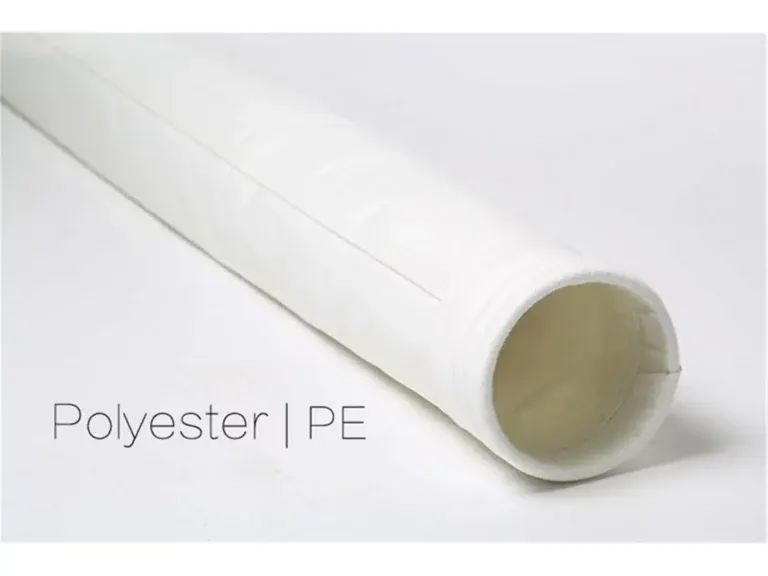
With its high dust holding capacity and durable structure, the polyester filter bag is an ideal solution for industrial filtration systems. Made from 100% polyester fibre, these bags capture dust and particles with high efficiency thanks to their large surface area and keep pressure loss in the air flow low.
Polyester filter bags are widely used in production lines with heavy dust loads, such as cement, chemicals, minerals and food. With filtration precision of up to 99% in the 0.5–1 micron range, they are particularly effective at controlling fine dust.
Thanks to its high-strength fabric, the product delivers long-lasting performance, and its hydrophobic (water-repellent) surface treatment ensures effective filtration even in humid and oily environments.
Key Features
- 100% polyester filter material – a durable and economical solution.
- Low pressure drop and high dust holding capacity thanks to the large surface area.
- High filtration precision in the 0.5–1 micron range.
- Water- and oil-repellent surface – reliable performance even in harsh conditions.
- A design suitable for a wide range of industrial dust collection systems.
Why a Polyester Filter Bag?
With their cost-effectiveness, high dust holding capacity and wide range of industrial applications, polyester filter bags are among the most widely used elements in filter systems. They have a high continuous operating temperature and provide reliable filtration across many types of dust.
PTFE Filter Bag – Superior Filtration at High Temperatures
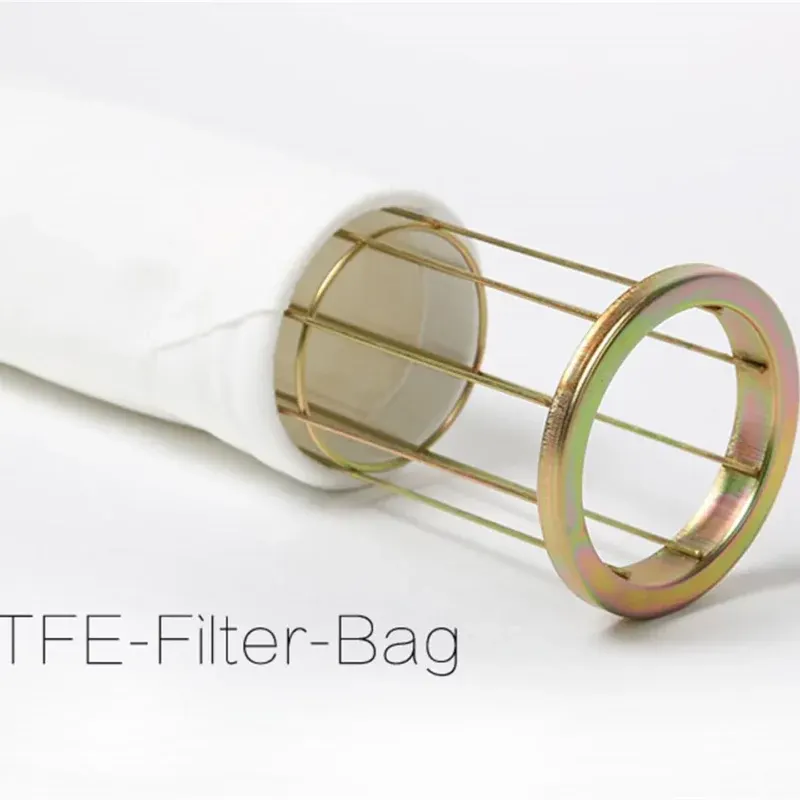
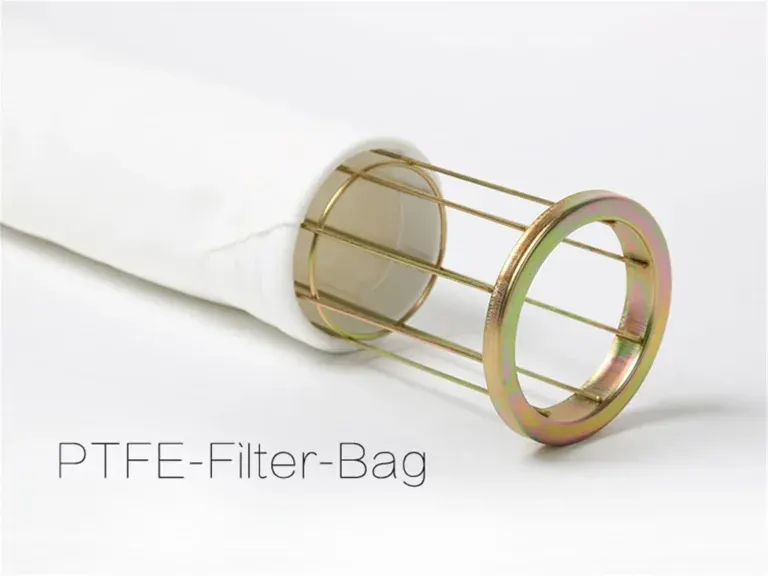
In industrial dust collection and filtration systems, the PTFE filter bag is a high-performance filtration element optimised for plants operating under high heat, aggressive chemicals and demanding process conditions. Made from polytetrafluoroethylene (PTFE), these bags withstand continuous operating temperatures of up to 260 °C and deliver long-lasting performance in high-temperature applications.
One of the most important advantages of PTFE filter bags is that they offer excellent chemical resistance and high filtration efficiency. They maintain their performance even in aggressive environments containing acids, alkalis and solvents, and capture fine dust particles effectively to deliver clean air at the outlet.
In addition, because PTFE is naturally hydrophobic (water-repellent), it works efficiently even in humid gas streams and reduces the risk of clogging. The result is a filtration solution that is easy to maintain, long-lasting and highly energy-efficient.
PTFE filter bags are preferred especially in industries with high temperatures and difficult dust conditions, such as cement, power plants, metalworking, waste incineration and chemical plants. Their superior filtration performance improves emission control and supports compliance with environmental standards.
Advantages of the PTFE Filter Bag
- High temperature resistance (260 °C continuous)
- Outstanding resistance to chemicals and extreme conditions
- Hydrophobic, with low pressure loss
- Long service life and lower maintenance requirements
- High filtration efficiency for fine dust particles
The PTFE filter bag is the ideal choice for plants looking for a premium and reliable filtration solution for demanding industrial applications.

Bag Cage (Filter Cage) – A Critical Part in Industrial Dust Filtration
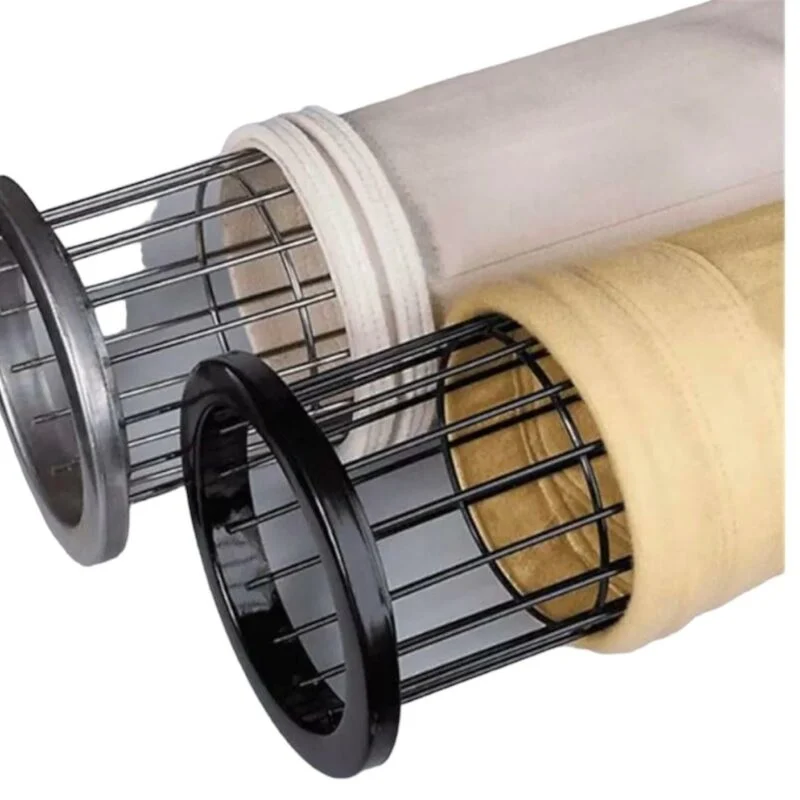
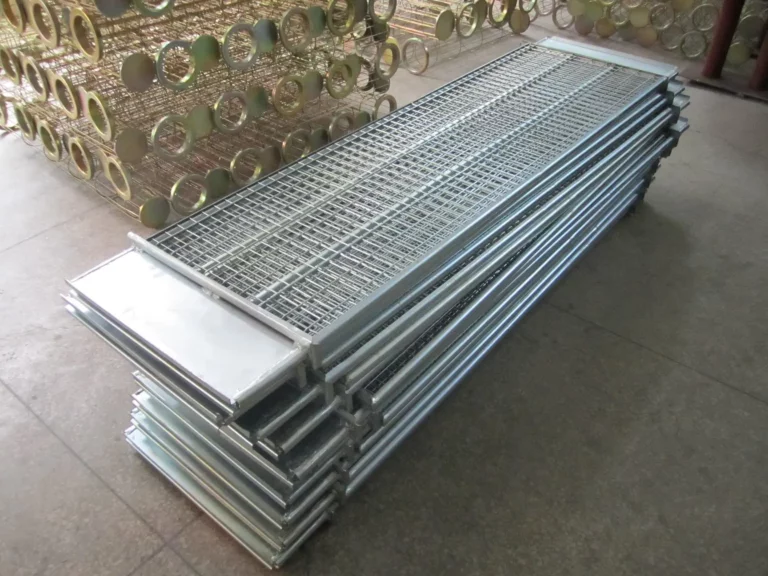
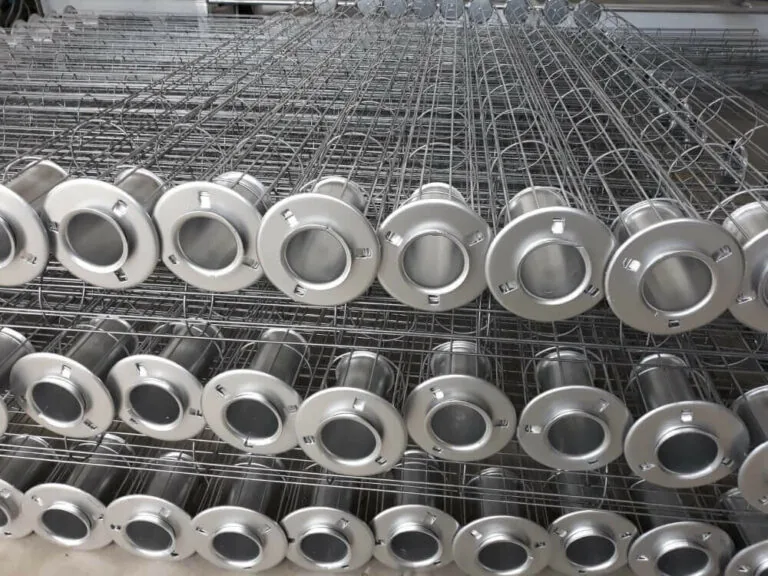
In industrial dust collection and filtration systems, the bag cage is a durable metal support structure fitted inside the filter bags. It keeps the filter bags in shape, prevents them from collapsing and ensures that the air flow is filtered evenly. As a result, your dust collection system runs at maximum efficiency and filtration performance improves.
Filter cages are usually made from durable materials such as galvanised steel or stainless steel; they are manufactured to suit every industrial system, in different diameters and lengths and with custom designs. During production, cutting, welding and assembly steps are carried out meticulously to finish the cages and make them ready for installation.
In bag filter systems such as jet pulse and reverse air, bag cages ensure that the inner surface of the filter bags works properly under the dust load, prevent bag deformation and increase filtration efficiency. Their durable construction provides a long service life and makes maintenance and replacement easier.
Advantages of the Bag Cage
- Provides high filtration efficiency by keeping the filter bags in shape.
- Regulates the air flow and optimises system performance.
- Offers a long service life and low operating costs thanks to its durable construction.
- Compatible with every dust collection system, with production options in different sizes and materials.
As one of the basic components of industrial filtration systems, the bag cage increases dust collection efficiency and operational reliability.
What Is a Filter Bag? Types and Prices of Industrial Filter Bags
Efficient, Long-Lasting Filtration with Filter Bags
The filter bag is one of the most important pieces of filtration equipment used in industrial plants for dust capture and air filtration. Widely used in the cement, iron and steel, food, chemical and energy sectors, industrial filter bags deliver high performance and production that complies with environmental standards.
With filter bag types manufactured to high quality standards, our company offers businesses long-lasting and economical solutions for their filtration needs.
Filter Bag Types
There are different filter bag models depending on the application and operating conditions:
Polyester Filter Bag
- High dust holding capacity
- Economical and durable
- Ideal for medium-temperature applications
Nomex Filter Bag
- Resistant to high temperatures
- Suitable for thermal power plants and the metal industry
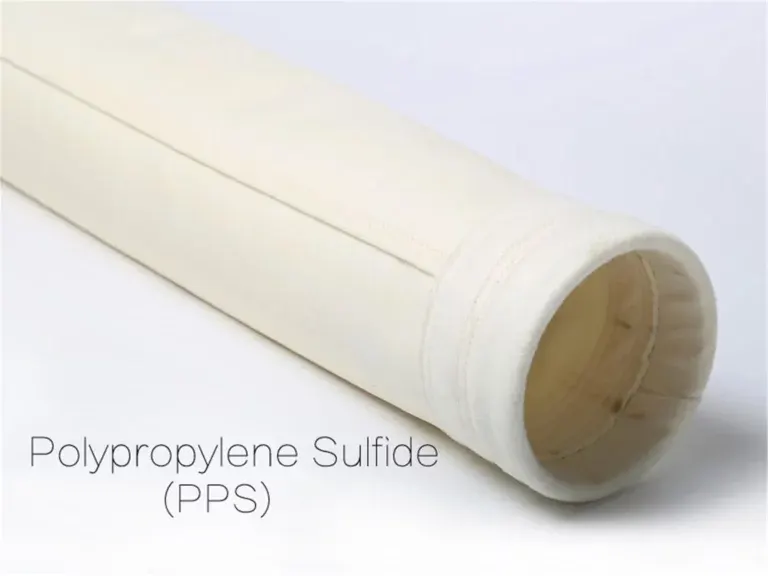
PPS Filter Bag
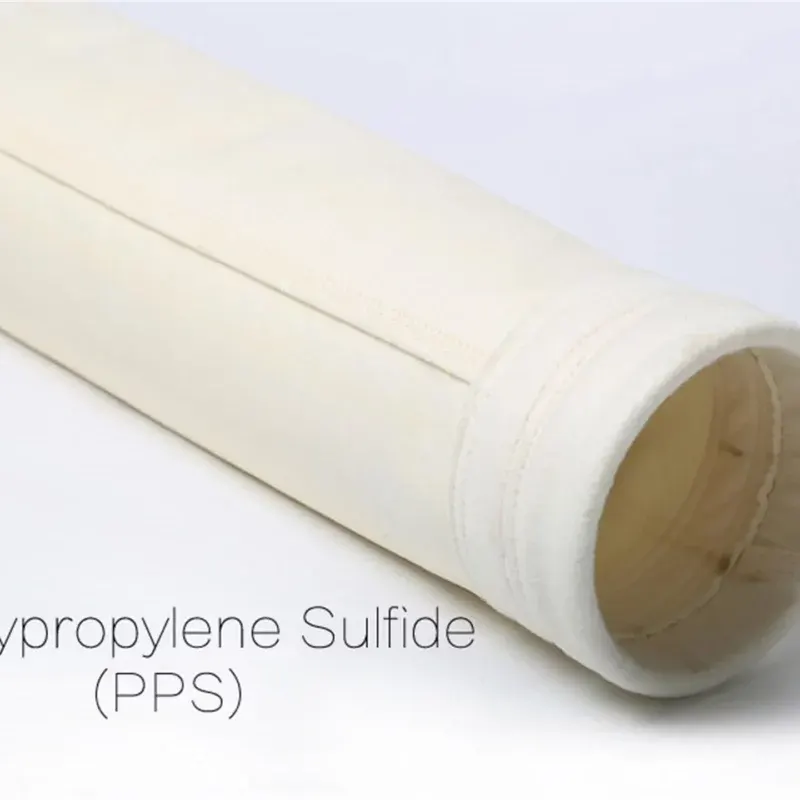
- High chemical resistance
- Used in acidic and humid environments
PTFE-Coated Filter Bag
- Long service life
- Low pressure loss
- Highest filtration performance
Where Are Filter Bags Used?
Filter bags are actively used in many industrial fields:
- Cement plants
- Iron and steel plants
- Food production facilities
- Chemical industry
- Power plants
- Dust collection systems
What to Consider When Choosing a Filter Bag
The right filter bag selection directly affects system performance:
- Operating temperature
- Dust type and concentration
- Chemical environment
- Filter bag dimensions
- Service life and maintenance requirements
Our expert team helps you determine the most suitable industrial filter bag solution for your plant.
Filter Bag Prices
Filter bag prices vary depending on the raw material, dimensions, coating type and order quantity. Contact us for affordable, high-performance filter bag solutions.
Why Choose Us?
- High-quality production
- Custom-size filter bag manufacturing
- Fast delivery
- Competitive prices
- Technical support and consultancy
The best filter bag solutions for your industrial plant are right here!
Hydrophobic impregnation of a polyester filter bag means that the bag fabric is treated with a special chemical so that it repels water and moisture.
📌 Meaning of the terms:
- Hydrophobic = Water-hating / water-repellent
- Impregnation = Soaking the fabric in a chemical substance to give it a specific property
🔬 Technical Explanation
Polyester filter bags (used in jet pulse bag filters) can normally retain some moisture. In bags with hydrophobic impregnation, however:
- Water droplets do not cling to the surface
- Moisture does not penetrate the fibres
- Dust agglomeration is reduced
- Mud formation (cake sticking) is prevented
- Pressure loss is more stable
💧 How Does It Work?
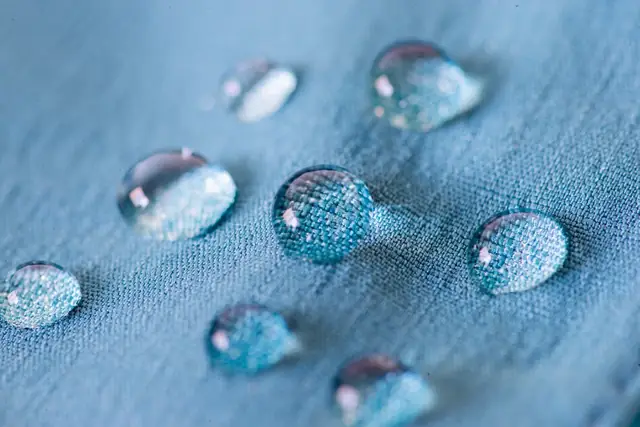
On a hydrophobic surface, water droplets do not spread; they bead up and run off.
On a normal (hydrophilic) surface, water is absorbed and spreads.
⚙️ When Is It Used?
In particular:
- 🌫️ In humid processes
- 🔥 In systems with a risk of flue gas condensation
- 🌲 In biomass plants
- 🏭 In cement, gypsum and lime plants
- 🌧️ In filter systems operating outdoors
📊 Advantages
| Property | Standard Polyester | Hydrophobic Impregnated |
|---|---|---|
| Moisture resistance | Medium | High |
| Pressure increase | Faster | More stable |
| Bag life | Normal | Longer |
| Agglomeration risk | Yes | Low |
🏭 Why It Matters for Your Systems
Since you work with silo and jet pulse filter systems, I would particularly like to point out the following:
If:
- The filter outlet gas temperature is close to the dew point
- The ambient humidity is high
- The material is hygroscopic
👉 A hydrophobic impregnated polyester bag should be preferred.
Jet Pulse Filter Bags – Technical Comparison Table
| Filter Bag Material | Operating Temperature | Chemical Resistance | Moisture Resistance | Abrasion Resistance | Filtration Precision | Applications |
|---|---|---|---|---|---|---|
| Polyester (PE) | 130°C | Medium | Medium | Good | 1–5 microns | General industry, cement, quarries |
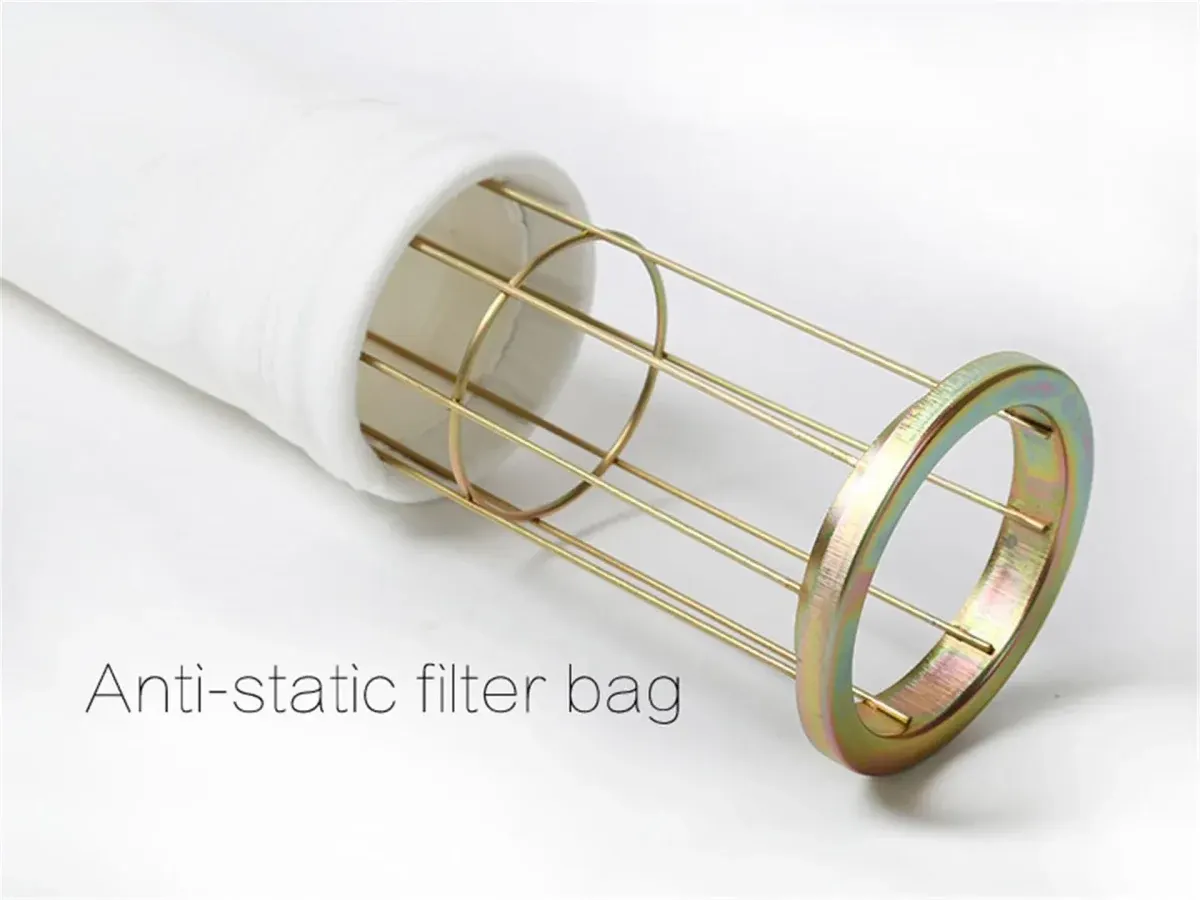
| Anti-Static Polyester | 130°C | Medium | Medium | Good | 1–5 microns | ATEX zoned areas, explosive dust |
| Acrylic (PAN) | 125°C | Acid-resistant | Very good | Medium | 1–3 microns | Chemicals, fertiliser, humid gas |
| Polypropylene (PP) | 95°C | Very good | Excellent | Medium | 1–5 microns | Food, pharmaceuticals, humid environments |
| Nomex (Aramid) | 200°C | Medium | Medium | Very good | 0.5–3 microns | High-temperature processes |
| PPS (Ryton) | 190°C | Very good | Very good | Good | 0.5–3 microns | Thermal power plants, boiler stacks |
| PTFE (Teflon) | 240°C | Excellent | Excellent | Very good | 0.1–1 micron | Chemicals, aggressive gases |
| Glass Fiber | 260°C | Good | Poor | Poor | 0.3–2 microns | High-temperature furnace stacks |
| PTFE-Coated Glass Fiber | 260°C | Excellent | Good | Medium | 0.1–1 micron | Acidic and high-temperature gases |