




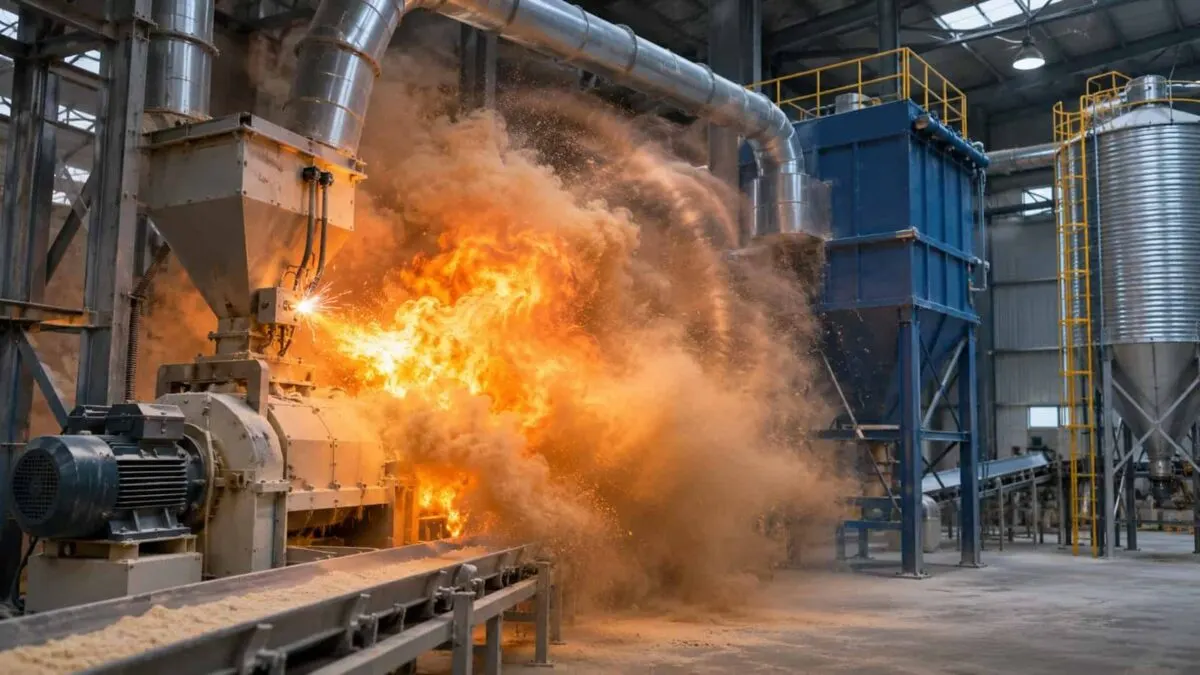

A dust explosion occurs when a combustible dust remains suspended in the air at a sufficient concentration and meets an ignition source. The event develops in less than a second; pressure rises rapidly in an enclosed volume and exceeds the strength of the equipment housing. Dust lifted by the primary explosion can trigger a secondary and far more destructive explosion.
Risk management follows two tracks. Measures that prevent ignition and protection systems that limit damage when an explosion occurs are designed together.
In Türkiye, preparing an Explosion Protection Document is a legal obligation for plants within this scope.
What Is a Dust Explosion?
Fuel, oxygen and an ignition source are enough for a fire. For a dust explosion, two more conditions are added to these three elements: dispersion as a dust cloud and confinement of the space. This structure, in which all five elements are present at the same time, is referred to in the literature as the explosion pentagon.
The particle size of the dust is a decisive factor. As particles get smaller, the surface area per unit mass increases and ignition becomes easier, which is why dusts below 500 microns are included in the assessment. Increased moisture and larger particle size have the effect of reducing the risk.
What Causes a Dust Explosion?
The leading cause is uncontrolled dust accumulation. A thin layer of fine dust that builds up on equipment surfaces, on top of beams and on floors can be lifted into the air by a small pressure wave and form an explosive cloud.
The primary event usually starts inside the equipment, while the real destruction is seen in the secondary explosion that occurs when this layer is lifted.
Process-related factors also contribute to the picture. Pneumatic conveying lines, silo filling and emptying operations, and grinding and screening steps produce dense dust clouds. A dust explosion prevention plan for silos focuses precisely on the cloud concentration at these filling and emptying moments.
Ignition Sources That Lead to Dust Explosions
Ignition sources are mostly factors that seem ordinary. Mechanical sparks, friction and overheated bearings, electrostatic discharge, hot surfaces, welding and cutting work, electric arcs and self-heating are the most frequently reported causes.
Electrostatic discharge has a special place in this group. Dust builds up charge as it moves through pipes and ducts, and this charge accumulated on an ungrounded metal part can be released in a single spark. Since the ignition energy of dusts is often low, even an invisible discharge may be enough.
Which Dusts Pose an Explosion Risk?
Most combustible organic and metallic dusts behave explosively under the right conditions. The main groups at risk fall under six headings.
Fiber and textile dusts are also included in this list, and dry cleaning is among the areas that should be assessed for dust explosions.
Extra caution with metal dusts: Since aluminum and magnesium dust can release hydrogen on contact with water, water filter solutions are only used on these lines when specially designed with this reaction taken into account.
Sectors at Risk of Dust Explosions
The risk exists in every production branch that generates dust. Flour dust explosions in mills and bakery plants, grain and wheat dust explosions in silos and feed mills, and coal dust explosions in thermal power plants and mining operations are the main scenarios monitored. On the metal and chemical side the picture changes: aluminum dust explosions stand out on foundry and grinding lines, powder coating explosions in paint shop booths, and sulfur dust explosions in chemical plants.
Unexpected areas also make the list. Dry cleaning businesses are counted among those at risk of dust explosions, because fine lint dust accumulating on filter and drum surfaces forms a combustible layer. Recycling plants and additive manufacturing workshops using metal powder have also emerged as risk areas in recent years.
How Can Dust Explosions Be Prevented?
The prevention strategy is built on stopping ignition. A dust explosion can be largely prevented through the triad of explosion-proof equipment selection, grounding and regular cleaning, with protection systems added on top.
Prevention alone is not considered sufficient. In the international approach, since the probability of ignition cannot be reduced to zero, protection systems are always designed as a complementary layer. For this reason, the dust explosion prevention setup for silos also includes venting and isolation equipment.
How Do Dust Collection Systems Reduce Explosion Risk?
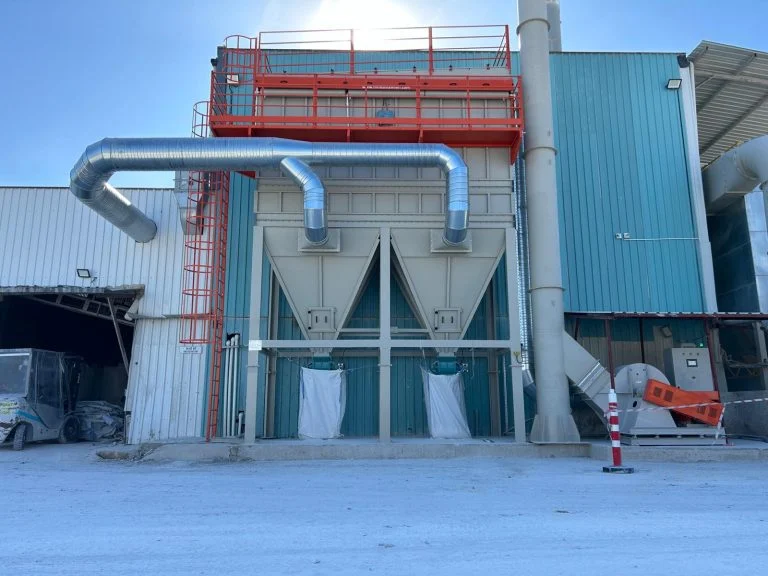
A dust collection system works in two directions. By capturing dust at its source, it reduces the formation of clouds and layers in the environment; at the same time, because the collected dust is concentrated in the filter housing, the system itself becomes a volume that needs to be protected.
The solution setup differs by sector. On mining dust collection lines, abrasive and combustible dust are addressed together. In food and pharmaceutical dust collection applications, hygiene requirements are designed together with explosion protection.
Antistatic Filter Elements and Grounding
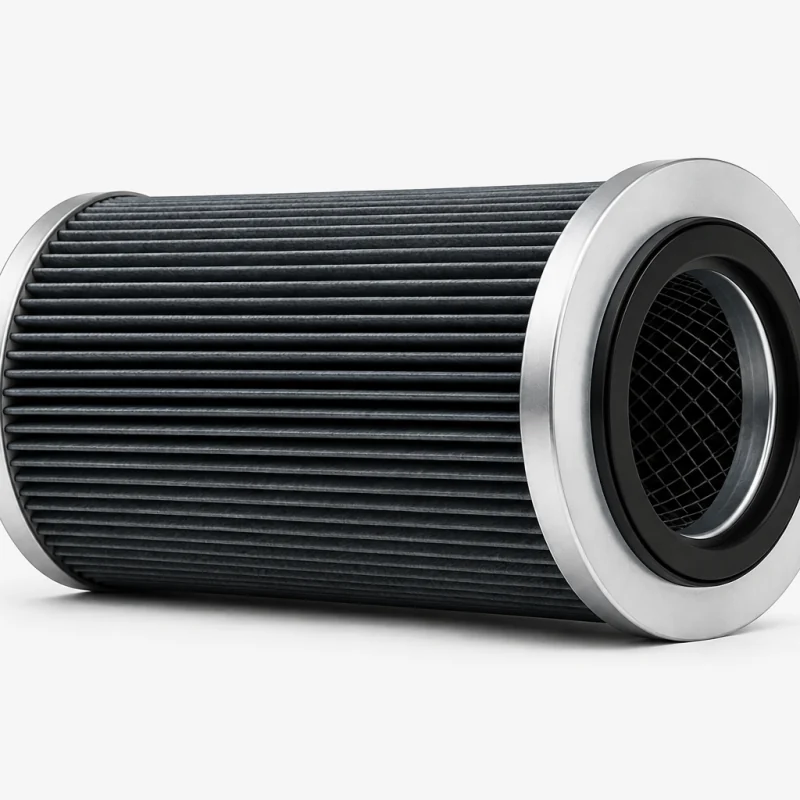
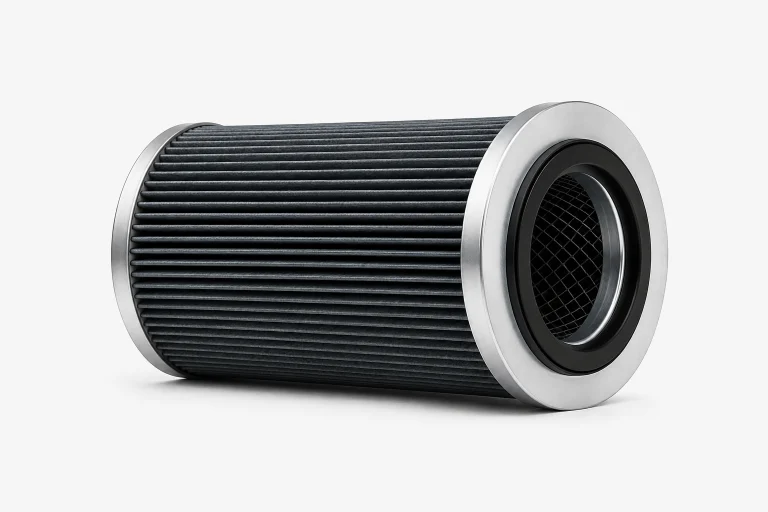
Dust passing over the filter bag and cartridge builds up charge. In Antistatic Filter Bag and cartridge models, conductive fibers embedded in the fabric structure carry this charge to the housing and prevent it from discharging at a single point.
It should not be forgotten that a conductive element alone is not sufficient. For the choice of an antistatic cartridge filter to be meaningful, the housing and the entire ductwork must be grounded.
Explosion Vents and Flame-Free Venting Systems
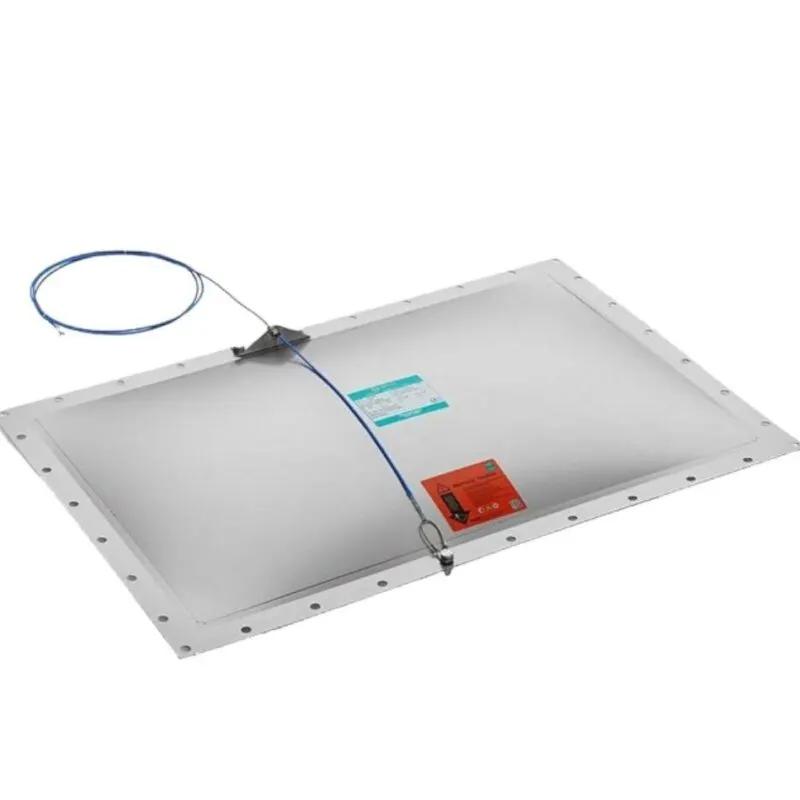
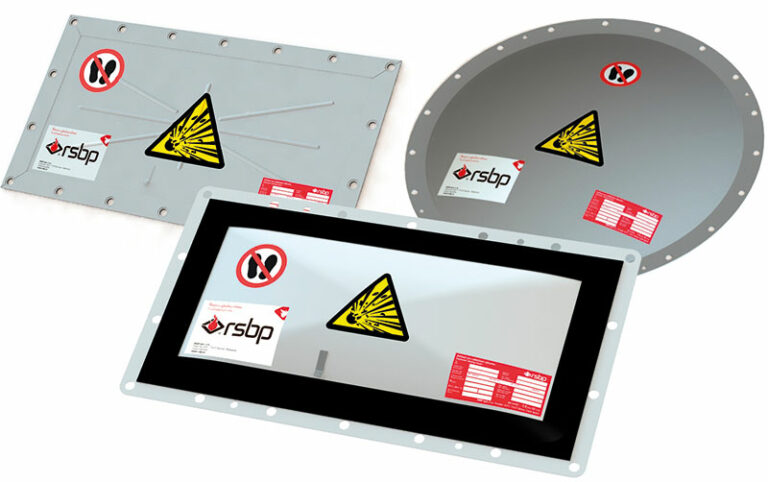
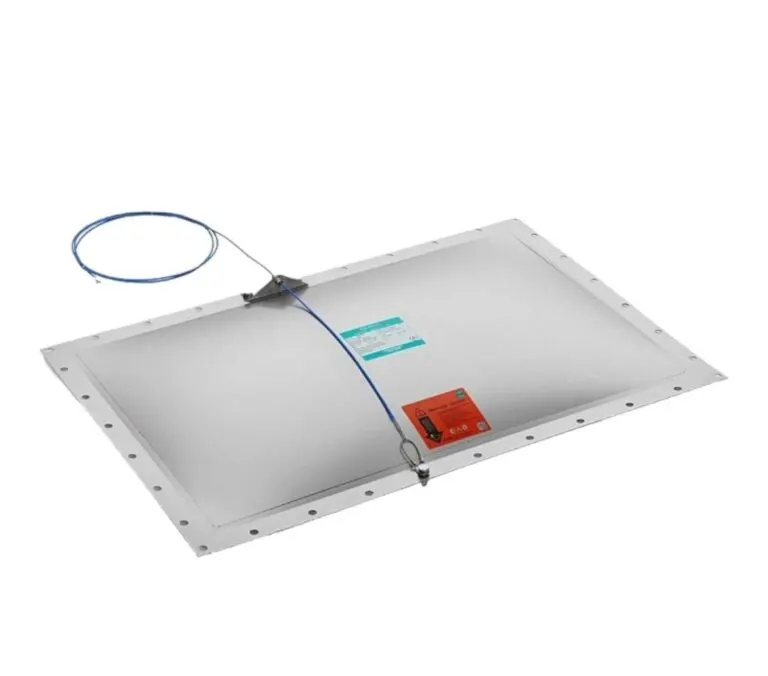
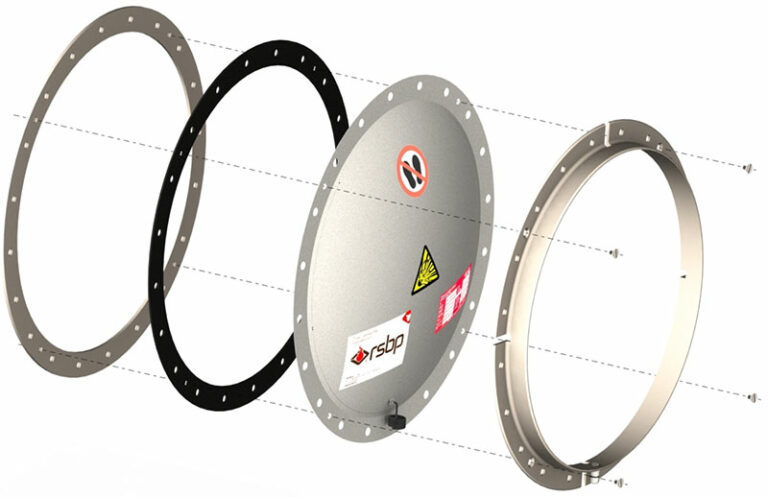
An Explosion Vent opens at a set threshold when pressure rises inside the housing, releasing the flame and pressure in a safe direction. This prevents the housing from rupturing and limits damage to a predictable area.
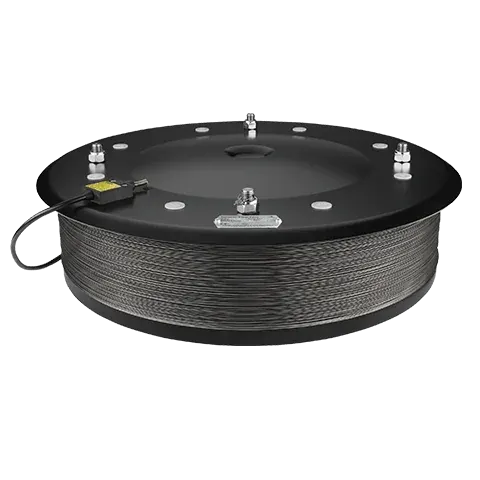
In enclosed rooms where the panel cannot vent outdoors, flame-free venting is preferred. The metal mesh inside the Flame-Free Ventilation Chimney extinguishes the flame and releases the pressure safely into the indoor space. On the isolation side, an air lock and rotary valve together with a flap-type backflow valve stop the flame from propagating into connected lines.
ATEX-Compliant Fans and Equipment
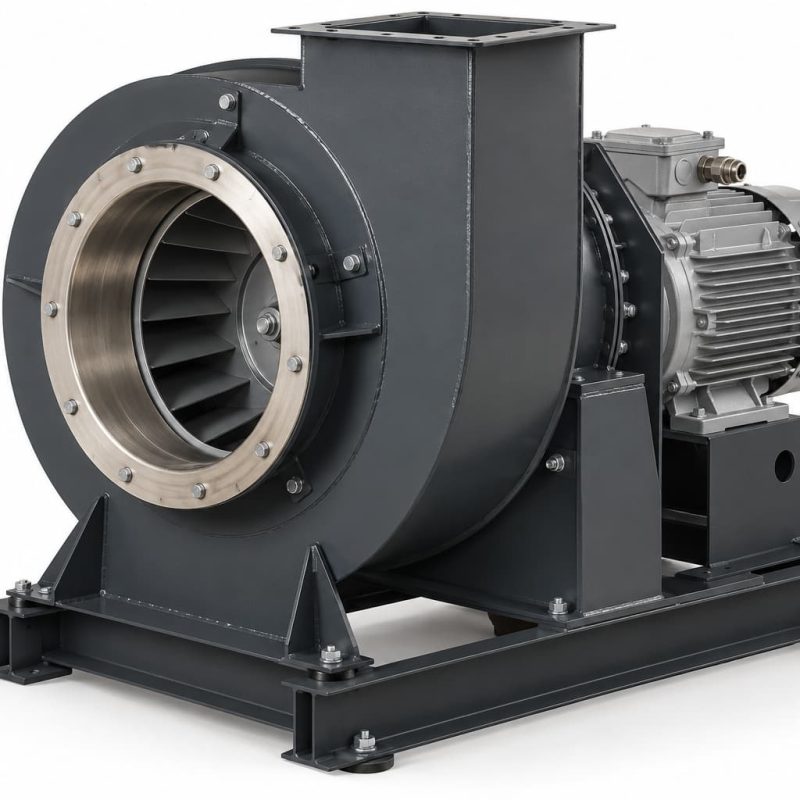
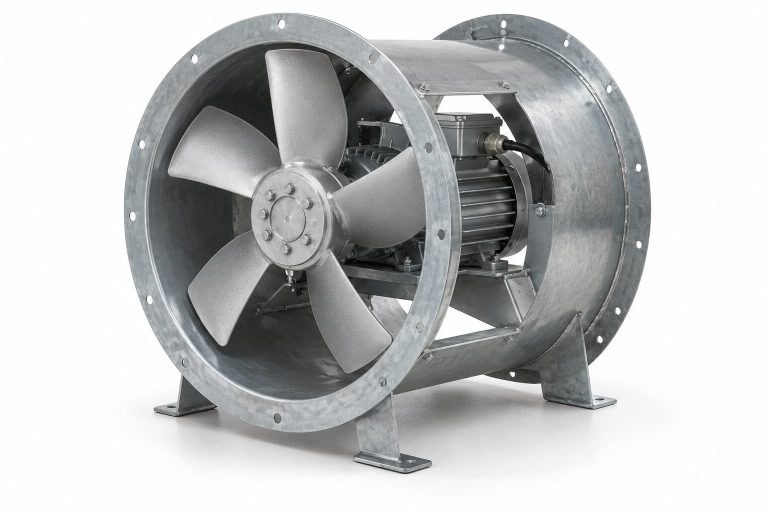
The fan is one of the components of the system most likely to generate sparks. ATEX explosion-proof fan designs use non-sparking material pairs, an enlarged impeller clearance and a sealed bearing arrangement.
Equipment is selected according to the zone classification. Explosive dust atmospheres are classified as Zone 20, 21 and 22, and the requirement for explosion-proof equipment against dust explosions is determined together with this classification. Explosion prevention systems are engineered as an integral part of this whole.
How Is a Dust Explosion Risk Analysis Carried Out?
The analysis begins with a laboratory test of the dust. The basic data required for a dust explosion calculation are the Kst value, which indicates explosion severity, and the Pmax value, which indicates the maximum attainable pressure. Without these two values, the venting area and housing strength cannot be calculated.
| Class | Kst value (bar·m/s) | Meaning |
|---|---|---|
| St 0 | 0 | No explosion observed under test conditions |
| St 1 | Between 1 and 200 | Weak to moderate explosion; flour and grain dusts are common in this group |
| St 2 | Between 201 and 300 | Strong explosion; some chemical and plastic dusts fall into this class |
| St 3 | Above 300 | Very strong explosion; aluminum and magnesium dusts are assessed in this group |
Once the dust explosion calculation is complete, the plant is divided into zones and the protection method is determined. All data obtained, the zone classification and the measures taken are compiled in the Explosion Protection Document. This document is prepared before work begins, within the scope of the Regulation on the Protection of Workers from the Hazards of Explosive Atmospheres.
The Importance of Periodic Maintenance Against Dust Explosions
A system that was designed correctly at installation loses its protective function when it is not maintained. A clogged filter element reduces the extraction airflow, causes dust to settle inside the ducts and creates a combustible build-up along the line.
Certain items are checked regularly in the maintenance plan. Differential pressure values, grounding resistance measurements, the integrity of the explosion panel, free movement of the backflow flap, rotary valve wear and the condition of the filter elements top this list. For a protection setup suited to your plant, you can submit your requirements through the quote form.
Share your process information for an explosion protection setup suited to your plant, and let us define the right solution for you together.
Get a Quote