




PP Polypropylene Filter Bag
30 May 2024
Polyimide (P84) Filter Bag
30 May 2024
Cotton Woven Cotton Filter Bag
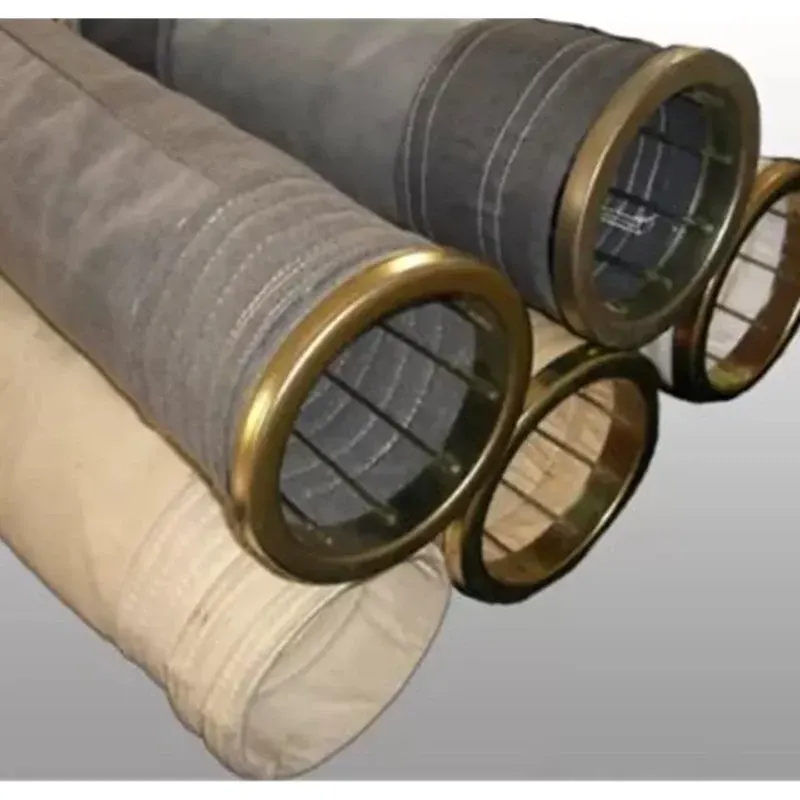
Cotton (cotton) woven filter bags have natural anti-static properties. For this reason, it is generally used in dust collection systems with mechanical shaking in factories where there is a risk of creating static electricity. General application areas: Works in wood industry, plastic industry, vacuum cleaners, crushing and screening and other environmental dedusting systems. It operates under 90°C temperature. Cotton filters have good chemical resistance in dry environmental conditions, but their use is not recommended in environments where mineral acids and oxidants are present. In addition, cotton woven filters have good abrasion resistance.
Unit price per m²: 2.00 EUR/m². Contact us for an up-to-date quote.
A cotton woven filter bag is one of the oldest and simplest filter elements in dust collection. The fabric woven from cotton yarn retains dust in systems operating at low temperature and with dry gas. It is still widely used in units with mechanical shaking, in workshop-type dust extraction systems and in vacuum cleaners. This page describes the bag’s construction, operation, limits, and manufacturing and maintenance conditions.
Construction of the Cotton Woven Filter Bag
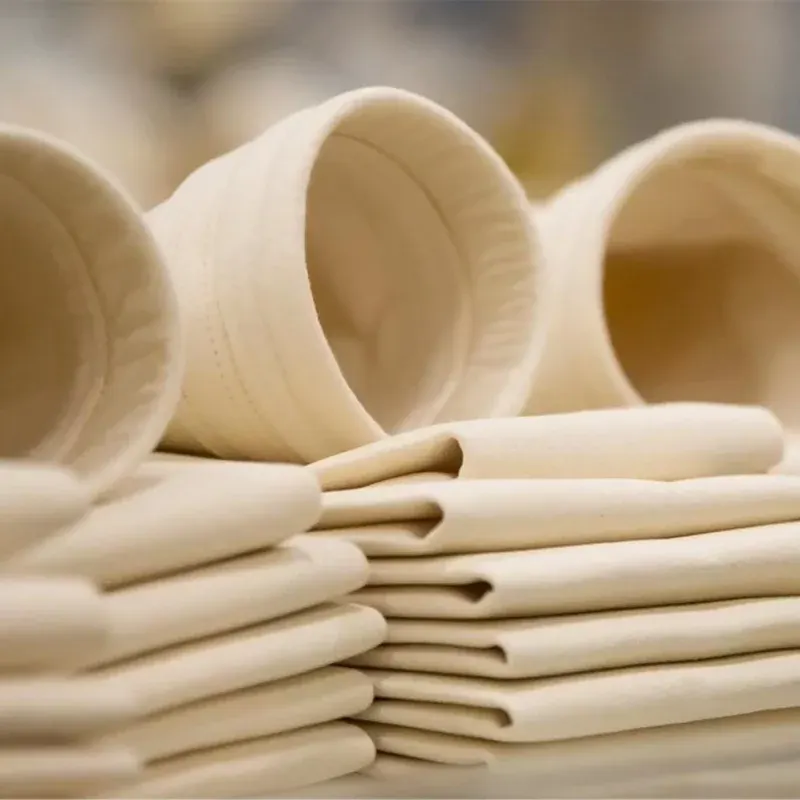
The bag is sewn from a fabric obtained by weaving cotton yarn as weft and warp. In felt bags the fibers are randomly distributed, whereas in woven fabric the yarns form a regular weave. This structure gives the bag flexibility and allows it to withstand the shaking motion.
Cotton is a natural fiber. It retains more moisture than synthetic fibers, so static charge build-up on the surface stays lower. In a dry environment its chemical resistance is good, and it also resists abrasion well. However, mineral acids and oxidizers weaken the cotton fiber; it is not used in environments where these chemicals are present.
How Does a Cotton Filter Bag Work?
Cotton bags are mostly used in mechanical shaking units that filter from the inside out. Dusty air enters the inside of the bag, the dust is retained on the inner surface of the fabric, and clean air exits to the outside. Over time a dust layer forms on the inner surface; this layer acts as a second filter that captures fine dust.
When the pressure drop increases, the fan is stopped and the bags are shaken by the hanger mechanism from which they are suspended at the top. The accumulated dust falls into the dust hopper below the bag. This cleaning method is low-energy and suitable for woven fabric. The hard compressed air pulse in jet pulse units, on the other hand, is not designed for woven fabric; felt bags are used in those units.
In woven fabric, the first dust layer determines the efficiency. A newly installed bag may let some of the fine dust through in the first hours; efficiency rises once a thin dust layer has formed on the inner surface. For this reason, shaking is not done so hard or so often that it cleans the bag completely. The duration and frequency of shaking are kept just enough for the pressure drop to return to its previous level. Excessive shaking both lowers efficiency and wears the seams.
Technical Specifications of the Cotton Filter Bag
The properties of cotton woven fabric are summarized qualitatively in the table below. Fabric weight and air permeability vary with the selected weave type; exact values are given at the quotation stage.
| Property | Value |
|---|---|
| Fiber | Cotton yarn |
| Fabric structure | Woven |
| Suitable cleaning | Mechanical shaking, reverse air, manual shaking |
| Operating temperature | Below 90°C, dry gas |
| Chemical resistance in dry environment | Good |
| Mineral acid and oxidizer | Not recommended |
| Abrasion resistance | Good |
| Static charge build-up | Low compared with synthetic fibers |
Limits of the Cotton Bag
A cotton bag is economical and long-lasting in the right unit. Under the following conditions, another bag type is considered:
- Unit with jet pulse cleaning: a felt bag is required; on most lines a polyester filter bag is used.
- Acid vapor or oxidizing chemicals in the gas: the cotton fiber weakens.
- Gas temperature above 90°C: the fabric yellows and loses strength.
- Humid or sticky dust: the pores of the woven fabric clog, and shaking cannot remove the dust.
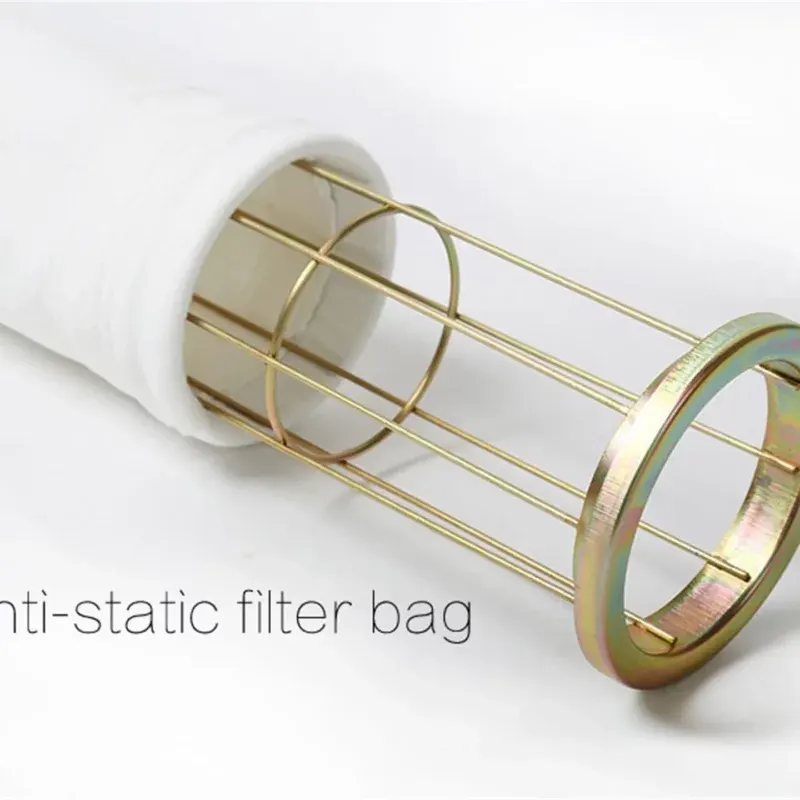
- Combustible dust: the low static build-up of cotton is not a substitute for explosion protection; an antistatic filter bag, grounding and the plant’s risk assessment are addressed separately.
Placing a cyclone at the start of the line, so that coarse shavings that may carry sparks do not reach the bag directly, also extends bag life.
Engineering and Manufacturing
The dimensions of cotton bags are often specific to the machine or unit. FLTS sews the bag to the hanger arrangement, the lower connection collar and the bag length of the existing unit. The following points are determined together during manufacturing:
- Fabric: the weave density is selected according to the fineness of the dust.
- Size: the diameter and length are taken from the distance between the hanging point and the lower collar.
- Connection: top hanger loop or lace; clamp, ring or lace at the lower collar.
- Seam: the seam line is made folded so that it does not bear load during shaking.
The fastest way is to send the old bag as a sample. The seam, the connection collar and the length are taken from the sample exactly.
Installation and Maintenance
During installation, the lower collar of the bag is seated fully on the nipple or ring on the dust hopper plate, and the clamp or lace is tightened with even tension. The upper hanger is adjusted so that the bag stays slightly taut. A bag that is too loose folds during shaking and wears at the same spot; one that is too taut opens up at the seam.
For maintenance, check that the shaking mechanism works and that the motor and hanger connections are sound. If the pressure drop does not return to its previous level after shaking, the fabric has begun to clog. If there are holes, thinning or opened seams on the bag surface, it is replaced. The unit is not left standing in a humid environment; running it empty for a while before shutdown helps the fabric dry.
Factors Determining the Price of a Cotton Filter Bag
The cotton woven bag is in the economical group among filter bags. The main items that determine the price are the weave type of the fabric, the bag diameter and length, the connection type and the order quantity. For small-sized bags made specifically for a machine, the unit cost falls as the quantity increases. In the evaluation, the replacement frequency of the bag and the time the unit is stopped during replacement are also taken into account. For other bag types, see the filter bags category.
What Is a Cotton Filter Bag and Where Is It Used?
A cotton filter bag is a filter element sewn from fabric woven from cotton yarn. Unlike felt bags, it has a woven structure. This structure is generally suited to dust collectors with mechanical shaking: when the unit stops, the bag is shaken and the accumulated dust falls down.
Workshop-type dust extraction systems, old-type shaker units and vacuum cleaners are where the cotton bag is seen most often. The dust bag used in these systems is often woven cotton. It works without problems on wood, plastic, stone and crushing-screening lines where the temperature is low and the gas is dry.
In a unit with jet pulse cleaning, however, a felt bag is required; woven cotton is not designed for these pulses. In that case a polyester filter bag is evaluated, and for unit options see the jet pulse bag filter page. If there is acid or base vapor in the environment, a PP filter bag is more suitable.
Cotton Filter Bag Applications
| Industry | Role of the bag | Note |
|---|---|---|
| Wood and furniture workshops | Bag-type extraction unit that collects sawdust and sanding dust | On machines that carry sparks, a pre-separator is used |
| Plastics industry | Dust extraction of crushing and grinding machines | If the dust is combustible, the plant's explosion risk is evaluated separately |
| Stone and marble processing | Capturing dry cutting and grinding dust | With abrasive dust, bag wear is checked more often |
| Crushing and screening plants | Ambient dedusting and belt transfer points | The fabric can clog with humid material |
| Vacuum cleaners and air cleaners | Capturing dust as a dust bag | Size and connection opening are determined by the device |
What Is Needed to Choose the Right Bag
Fabric properties are clarified at the quotation stage. For a woven cotton bag, the following information is requested:
- Cleaning method of the unit: mechanical shaking, reverse air or manual shaking.
- Dust type and whether the dust is humid.
- Whether there is acid vapor or an oxidizing chemical in the environment.
- Bag diameter, length and connection type (drawstring, clamp, ring).
- If you have one, a sample from the old bag or a photo with dimensions.
- Order quantity and spare bag requirement.
Because the size of a cotton bag is specific to the device or unit, the fastest way is to send the old bag as a sample. The seam, connection opening and length are reproduced exactly from it.
Frequently Asked Questions
What temperature does a cotton filter bag withstand?
The cotton woven bag operates in dry gas below 90°C. On hotter lines, a synthetic or high-temperature fiber is selected.
Can a cotton bag be used in a jet pulse unit?
It is not recommended. Woven cotton fabric is not designed for compressed air pulses; felt bags are used in jet pulse units.
Does a cotton bag generate static electricity?
Cotton accumulates less static charge than synthetic fibers. However, on lines carrying combustible dust this property alone is not sufficient; antistatic bags and grounding are evaluated separately.
Can a cotton filter bag be washed?
It can be washed, but washing can change the pore structure and length of the fabric. In industrial units, replacement is preferred to washing.
Are cotton bags made for vacuum cleaners?
Yes. The bag size and connection collar of the machine are taken from a sample and the bag is produced accordingly.
When should a cotton bag be replaced?
It is replaced if the pressure drop does not fall after shaking, if dust is visible at the outlet, or if there are holes or opened seams in the fabric.
- Category
- Filter Bags
- Made in
- İkitelli OSB, Istanbul, Türkiye
- Updated