





Sandblasting and automotive dust collection systems take the particles generated during processing from the extraction points and carry them to the filters. Metal, rust and coating residues are retained in suitable filters, and the airflow is arranged according to the needs of the production area.
FLTS determines the system for each project by evaluating the nature of the dust, the operating hours and the plant layout. Following the technical assessment, the plant compares capacity, equipment and installation scope and plans its investment according to its actual needs.
 Dust extraction on a metal part cleaning and grinding line
 Dust extraction ducts running from the production area to the filter
 Jet pulse filter unit and FLTS radial fan
 Bag filter housing, dust hopper and fan connections
Dust Collection Systems in the Sandblasting and Automotive Industries
Sandblasting dust collection systems are based on capturing the heavy particle load generated during surface cleaning at the source. Automotive dust collection systems, on the other hand, evaluate different production stations and determine the extraction requirement of each process separately.
The filter, fan and duct line work together; the capacity of a single piece of equipment does not by itself determine the success of the whole system. A correctly arranged airflow limits the spread of dust into the surroundings, while access to maintenance points makes operational monitoring easier.
Dust-Generating Processes in Sandblasting and Automotive Production
Part cleaning, deburring and coating preparation generate dust particles of different sizes on the production line. The type of metal processed, the surface coating and the abrasive used together affect the nature of the dust and the equipment to be selected.
Dust accumulating inside a sandblasting booth reduces visibility; a suitable extraction arrangement directs the air movement in the working area. Welding fumes contain fine particles, and extraction close to the point where the fumes are generated aims to reduce their spread into the workspace.
Sandblasting, Grinding, Welding and Surface Treatment Processes
The same filter is not selected for every process; particle structure and operating conditions are considered together. The comparison below separates the production steps, while the final equipment selection is made after a technical inspection at the plant.
| Production process | Dust or fumes generated | Characteristic evaluated in system selection |
|---|---|---|
| Sandblasting | Abrasive fragments, rust and coating residues | Dust concentration, abrasive wear and booth openings |
| Grinding | Metal particles and abrasive dust | Spark generation, material type and capture point |
| Welding | Fumes containing fine metal oxide particles | Welding method, operating time and extraction position |
| Surface treatment | Sanding, coating or paint residues | Particle structure, stickiness and combustibility |
Sandblasting and Automotive Dust Collection System Engineering and Manufacturing
When designing a dust collection system for a sandblasting booth, the booth openings, process intensity and abrasive properties are examined together. The fan is selected based on the required airflow and the total pressure drop caused by the ducts and the filter.
Before manufacturing, the duct route, filter location and waste discharge area are determined, and maintenance access is preserved in the design. The wear that abrasive particles will cause on the equipment is assessed, and where necessary the use of a pre-separator is examined separately within the project scope. For sandblasting dust collection systems, filter surface, cleaning arrangement and operating time are considered together. During commissioning, the extraction points are checked, and the necessary adjustments are completed by comparing measured values with the design targets.
Sandblasting and Automotive Dust Collection System Prices
The cost of sandblasting dust collection varies from project to project depending on the required capacity, filter media and duct length. In automotive dust collection projects, the number of stations, the simultaneous operating pattern and the extraction points affect the total cost. For a sandblasting booth dust collection system, the condition of existing connections also determines the installation scope and labor.
When evaluating a quotation, the scope of installation, electrical connections and commissioning is examined in addition to the equipment price. Filter replacement costs, compressed air requirements and energy consumption are considered together in the purchasing decision. Quotations prepared with the same scope allow the plant to compare its initial investment and operating costs more clearly.

FLTS Filtre Sistemleri
Design, manufacturing and installation of sandblasting and automotive dust collection systems
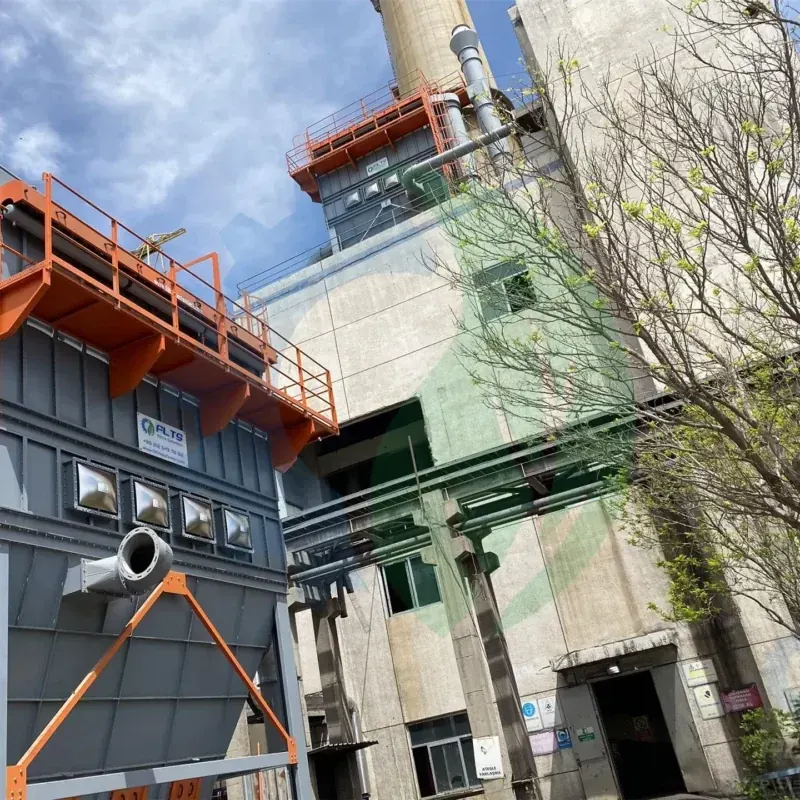 Jet Pulse Bag Filter
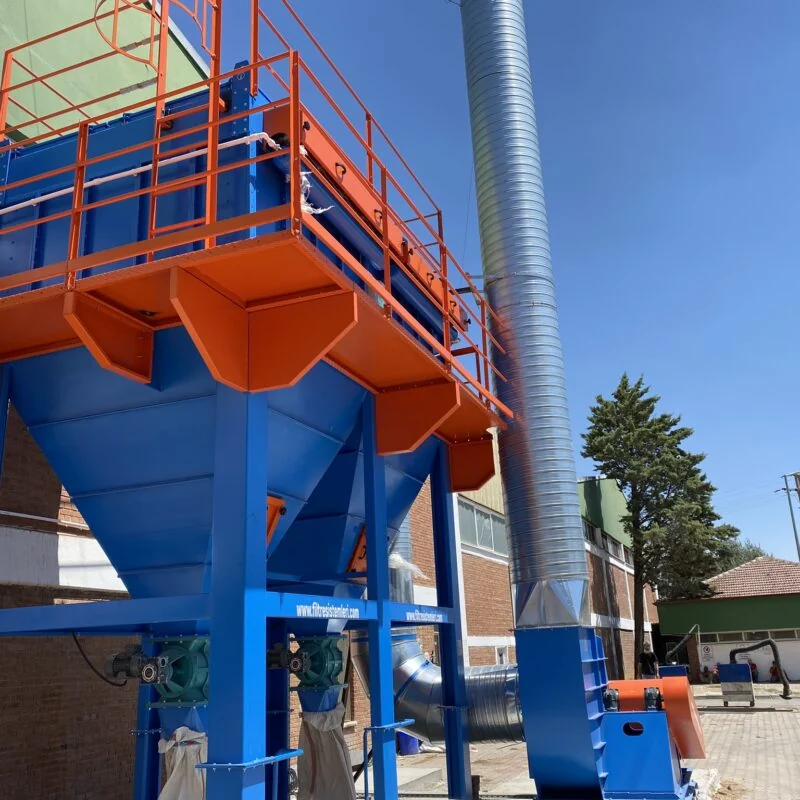 Jet Pulse Cartridge Filter
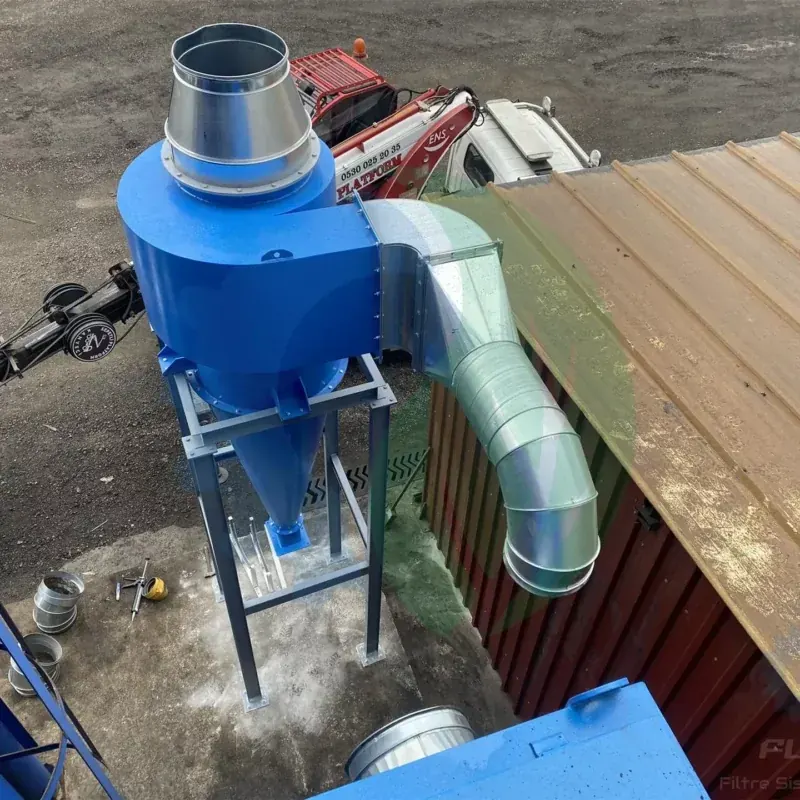 Cyclones / Pre-Separator Cyclone Filter
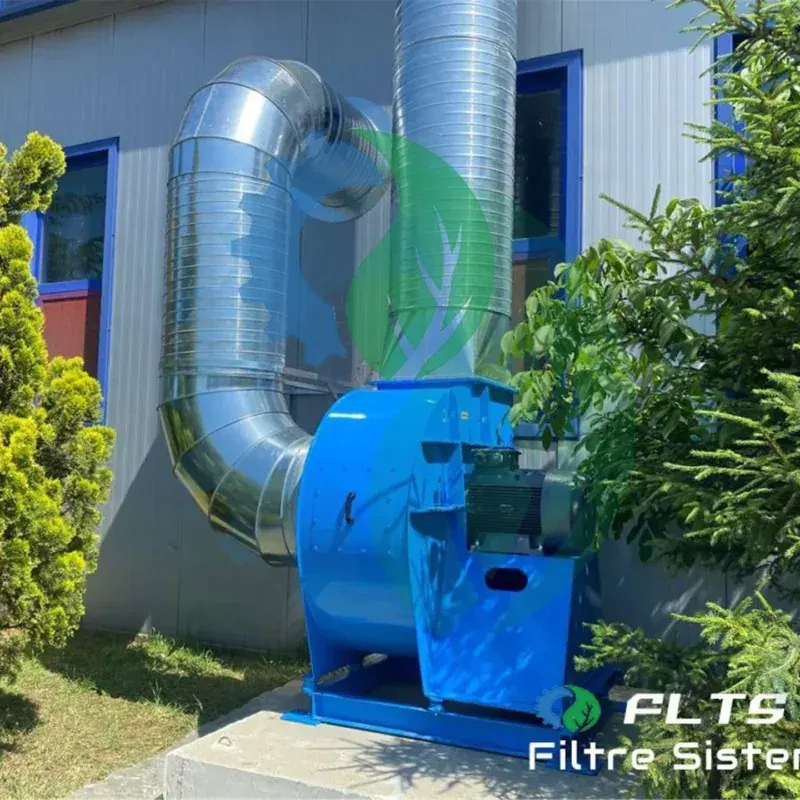 Industrial Fans


FLTS Filter Systems for the Sandblasting and Automotive Industries
FLTS evaluates cartridge and bag filter options according to the production process and matches the right equipment to the needs of the plant. In sandblasting dust collection applications it examines the abrasive load, and on automotive lines it takes into account how the stations operate. Within the scope of automotive dust collection systems, it plans a suitable extraction arrangement for welding, grinding and surface preparation.
In the process from site inspection to manufacturing, FLTS carries out the design, installation and commissioning steps within the project scope. When assessing automotive dust collection needs, the production layout is examined, and the filter location and connections are determined accordingly. The plant shares its capacity expansion plans at the outset, and the connection requirements of stations to be added later are included in the technical assessment.
Quotation Process for Sandblasting and Automotive Dust Collection Systems
Quotation preparation begins once basic information on the processed material and the production layout is shared with FLTS. The layout drawing, machine list and photos of the existing system together form the initial data for the technical assessment.
- Sandblasting booth dimensions, door openings and process time are shared, and the operating conditions for calculating the air requirement are defined.
- The number of stations and simultaneous use information are provided, and the capacity of the common line is evaluated according to the actual production pattern.
- The source of the dust and material information are described, and the fire risk and compatibility of different dusts are included in the technical review.
- The installation area and work schedule are communicated, and the installation scope, connection requirements and delivery terms are clarified in the quotation.
Once the technical scope is defined, the plant evaluates the equipment list, application limits and maintenance requirements through the quotation. The details shared with FLTS make the request concrete, and the plant can then request an assessment for a solution suited to its production line.
Frequently Asked Questions About Sandblasting and Automotive Dust Collection Systems
System selection is not based solely on the amount of dust; material properties and the mode of operation also directly affect the decision.
The answers below explain the basic approach; the technical details of the application are finalized after a plant inspection and engineering calculation.
Which dust collection system is used in sandblasting operations?
Cartridge or bag filters are used in sandblasting applications; the selection is based on the abrasive type, dust load and operating time. Where necessary, a pre-separator is considered, and the filter media and cleaning arrangement are also determined according to operating conditions.
Can metal and paint dust be collected in the same system?
Whether metal and paint dust can be collected on a common line is decided after assessing the compatibility of the materials and the fire risk. In processes with a risk of sparks, combustibility or chemical reaction, separate collection lines and appropriate protective measures are considered.
How is the required airflow for a sandblasting booth determined?
The required airflow is determined by technical calculation based on the booth openings, the direction of airflow and the target capture conditions. Duct and filter pressure drops are calculated, and the fan is selected to deliver the required airflow against these losses.
How are welding fumes generated in automotive production filtered?
Welding fumes are extracted close to the source through a suitably positioned extraction arm, hood or downdraft bench. They are cleaned with a filter suited to fine particles, and the conditions for discharging the air are determined by the material properties and a technical assessment.