





Mining dust collection systems collect mineral particles that become airborne during crushing, screening and conveying at the source. The dusty air is carried through ducts to the filter, and the separated material is removed from the system in a controlled manner by discharge equipment suited to its properties.
FLTS determines the right filtration solution for the application by examining the plant’s production capacity, the mineral being processed and the operating conditions. The plant evaluates the engineering and manufacturing scope according to its production pattern and plans its investment in line with maintenance and operating needs.
 Installation of a bag filter unit at a cement plant
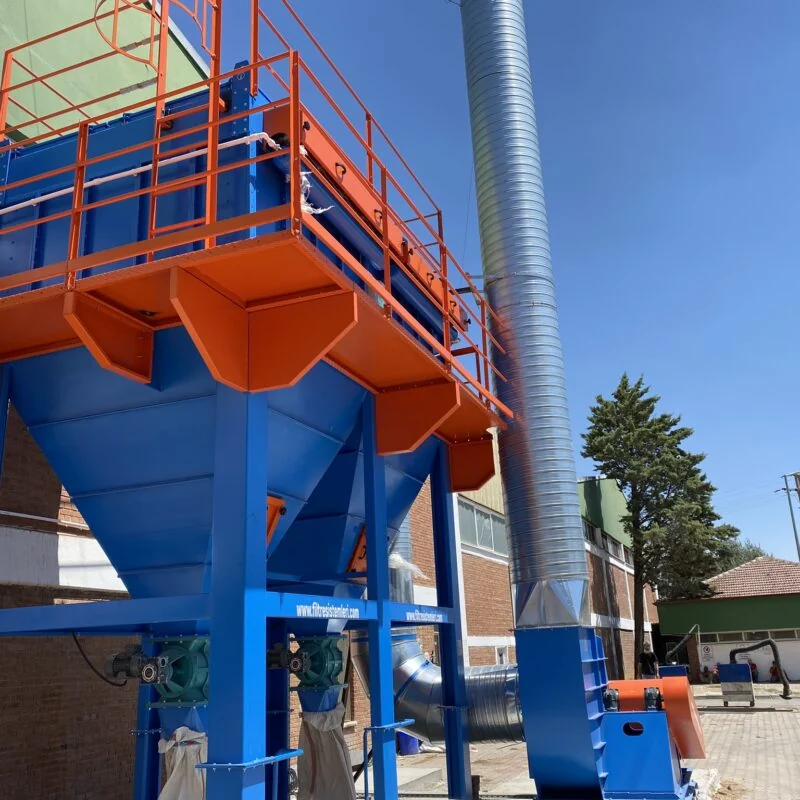
 Filter application next to a silo and stack
 Rooftop bag filter and dust extraction ducts
 Jet pulse bag filter and cyclone application
Dust Collection Systems in the Mining Sector
Mining dust collection systems capture particles generated at production points and limit their uncontrolled spread within the plant. Mineral dust has different properties depending on the structure of the ore being processed, and equipment is selected according to these differences.
The extraction inlet, ducts, filter and fan are evaluated together; looking only at motor power is not enough when selecting a system. Properly enclosing the collection points reduces the unnecessary air drawn in from outside and allows the required airflow to be used in a more controlled way.
Dust-Generating Processes in Mining Operations
Crusher feeding, screen discharge and belt-to-belt transfers cause dust formation due to the movement of material. After milling, the finer particles also require a suitable capture arrangement during product storage and packaging.
When designing crushing and screening dust collection systems, not only the area around the machines is examined; the connected transfer points are evaluated as well. In a crushing and screening plant dust collection project, drop heights, the enclosure arrangement and equipment operating simultaneously are determined.
Crushing, Screening, Milling and Material Handling Processes
| Process | Point of dust generation | Requirement evaluated in the project |
|---|---|---|
| Crushing | Feed opening and crusher outlet | Enclosure arrangement, extraction position and wear protection |
| Screening | Screen deck and product outlets | Vibration-resistant connections and balanced extraction |
| Milling | Mill connections and product outlet | Filter suited to fine particles and sufficient surface area |
| Material handling | Belt transfers and loading points | Sealing, drop height and extraction at the transfer point |
Mining Dust Collection System Engineering and Manufacturing
Mining dust collection system design begins with an on-site inspection of the production points and a calculation of the required air volume. The particle size, moisture and abrasiveness of the dust are determined, and the filter surface is sized appropriately using this data.
Duct diameter, conveying velocity and pressure drops are calculated together, and the operating point of the fan is matched to the project conditions. The housing material, connection details and wear-prone areas are defined, and access to maintenance doors is preserved in the layout drawing. For the mining dust collection filter, the bag or cartridge configuration, cleaning arrangement and discharge equipment are selected. Once manufacturing is complete, the connections are checked, and during commissioning the extraction values are measured and the necessary adjustments are made.
Mining Dust Collection System Prices
The price of a mining dust collector varies with the air capacity, the filter area and the technical specifications of the equipment used. Long duct lines, high dust loads and special protection requirements are other factors that affect the project cost.
When evaluating a mining dust collection investment, the scope of installation, electrical connection and automation is examined separately in the quotation. Filter replacement, energy and compressed air costs are calculated, so the comparison is not limited to the initial purchase price.

FLTS Filtre Sistemleri
Design, manufacturing and installation of mining dust collection systems
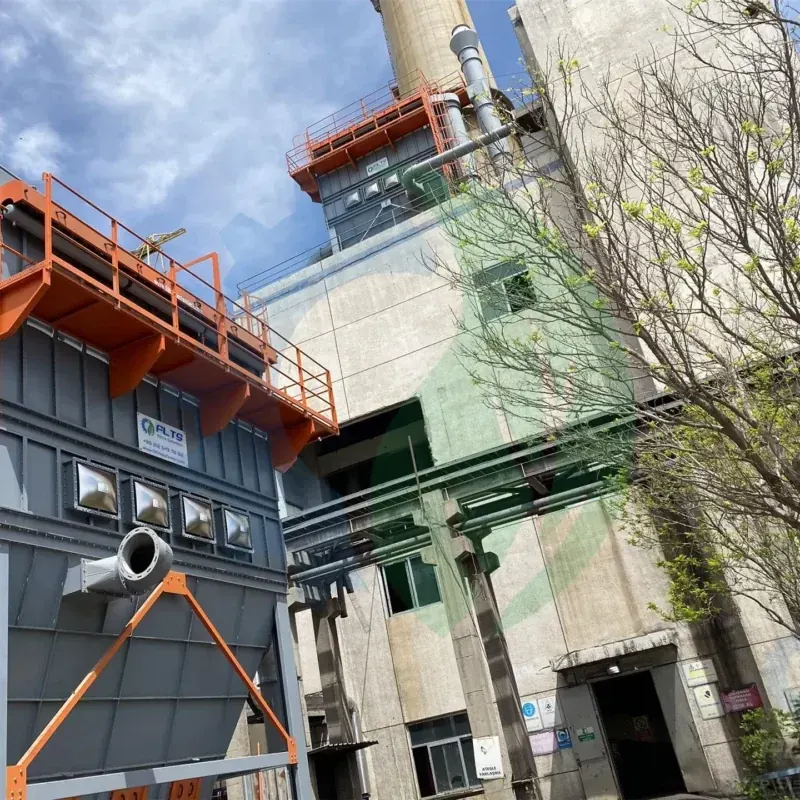 Jet Pulse Bag Filter
 Jet Pulse Cartridge Filter
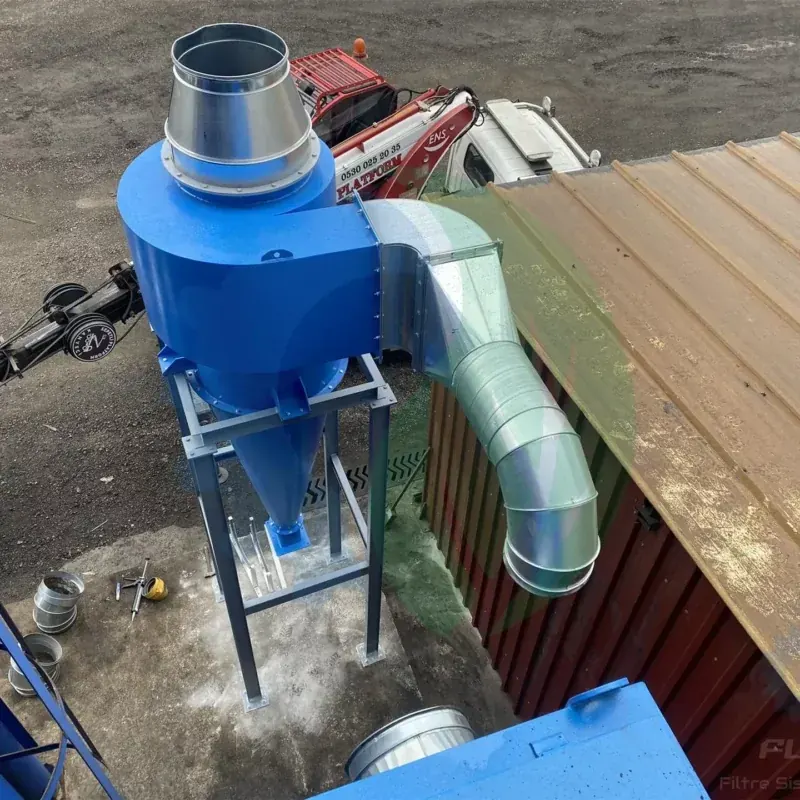 Cyclones / Pre-Separator Cyclone Filter
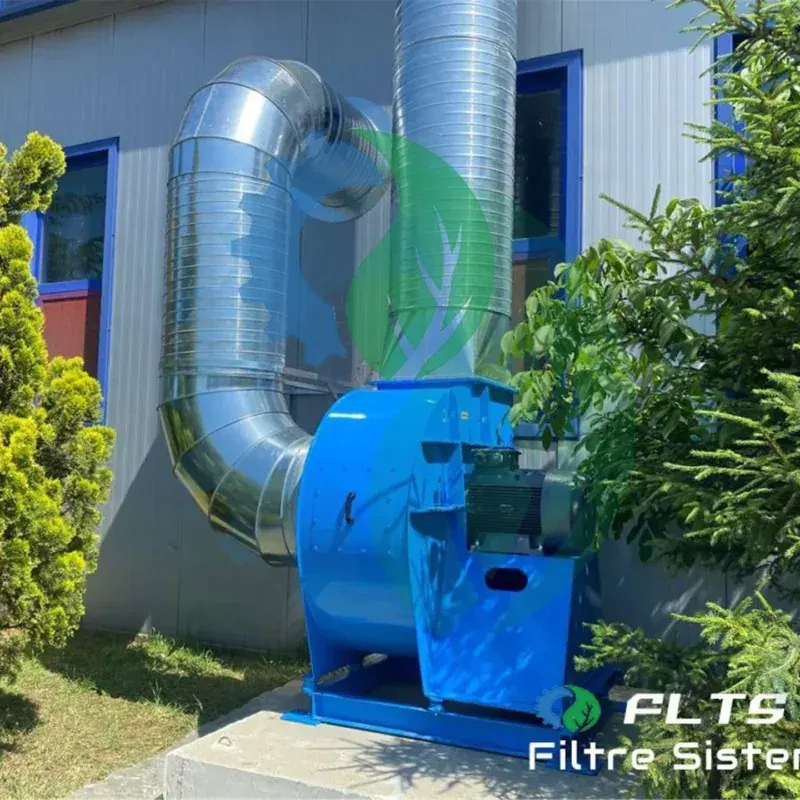 Industrial Fans


FLTS Filter Systems for the Mining Sector
In mining applications, FLTS evaluates bag filter, cartridge filter and pre-separator options according to operating conditions. For mining dust collection systems, it plans the required fan, duct connections and filter equipment within the project scope. In plants processing dry minerals, bag filter options cleaned by compressed air pulses are also assessed separately from a technical standpoint.
At locations with limited space, different housing and connection arrangements are examined, and the final solution is determined according to the material properties. Following a site survey and technical analysis, FLTS defines the scope of design, manufacturing, installation and commissioning. When a plant wants to upgrade its existing system, it shares its operating problems, and the necessary modifications are determined separately after a technical inspection.
Dust Collection System Selection by Mineral Type and Process
Selecting a mining dust collection filter depends on the physical properties of the material and the process conditions rather than on the product name. When different ores are processed at the same plant, the use of a common line is evaluated together with material compatibility and production requirements. For dry and abrasive minerals, the inlet arrangement and wear protection are important; for moist material, adhesion is assessed.
In bentonite dust management, the effect of contact with moisture on the product is examined, and the likelihood of buildup on the filter surface is assessed separately. On bentonite dust processing lines, the dry collection option is evaluated based on the moisture sensitivity of the product and the operating conditions. For combustible materials such as coal, fire and explosion risks are examined separately in addition to filter selection.
Quotation Process for Mining Dust Collection Systems
To prepare a quotation, the production flow, material properties and the expected operating pattern of the system are shared with FLTS. For crushing and screening dust collection systems, the machine layout is provided, clearly indicating which points will operate together.
- Material information: The type of mineral processed, its approximate moisture and any analysis results are shared and fed into the filter selection.
- Production information: The hourly throughput and shift pattern are provided, and the resulting dust load is evaluated in the technical review.
- Layout information: Machine locations, connection distances and the installation area are described, and the duct route is planned using this information.
- Operational expectations: Capacity expansion, maintenance access and automation requirements are specified, and the application scope of the quotation is clarified in advance.
The dust collection requirement of a crushing and screening plant is engineered and priced on the basis of the data shared and any necessary site inspection. The plant submits a request for technical assessment to FLTS and clarifies the delivery scope and installation conditions before the quotation.
Frequently Asked Questions About Mining Dust Collection Systems
In mining dust collection projects, capacity, filter type and discharge arrangement are determined using plant-specific data.
The answers below help the plant define its needs; the final equipment selection is made separately after a technical inspection.
Why is a dust collection system necessary in mining operations?
The system captures airborne particles at the source and limits their spread in the working area and buildup around the equipment. Controlling sources of mineral dust helps reduce material losses; performance is monitored through regular measurement and maintenance.
Which filter system is used in crushing and screening plants?
In plants processing dry minerals, bag filters or suitable cartridge filters are considered, with the selection made according to the dust properties. Filter area, wear protection and cleaning arrangement are determined, and moist or sticky materials are assessed separately.
How is dust generated on conveyor lines controlled?
The transfer point is enclosed with suitable covers, and the extraction connection is positioned to capture dust without disturbing the material flow. Belt edge sealing and drop height are adjusted, and if the product allows, a controlled wetting option is also considered separately.
Are explosion protection measures necessary for combustible mineral dusts?
In plants handling combustible dust, fire and explosion risks are assessed, and the necessary protective measures are determined through an expert review. Measures such as grounding, control of ignition sources, appropriate venting and explosion isolation are selected according to the risk assessment.
Can mineral dust be reused?
If the collected material meets product specifications and is free from contamination, it can be returned to production after appropriate quality checks. Dust mixed from different sources or containing harmful components is assessed separately; not all dust is added directly to the product.
How is the capacity of a mining dust collection system determined?
The capacity of a mining dust collector is determined by the required extraction airflow, the dust load and the simultaneous operating conditions. Duct pressure drops and filter resistance are calculated; the selection is not made based solely on the plant’s hourly production rate.