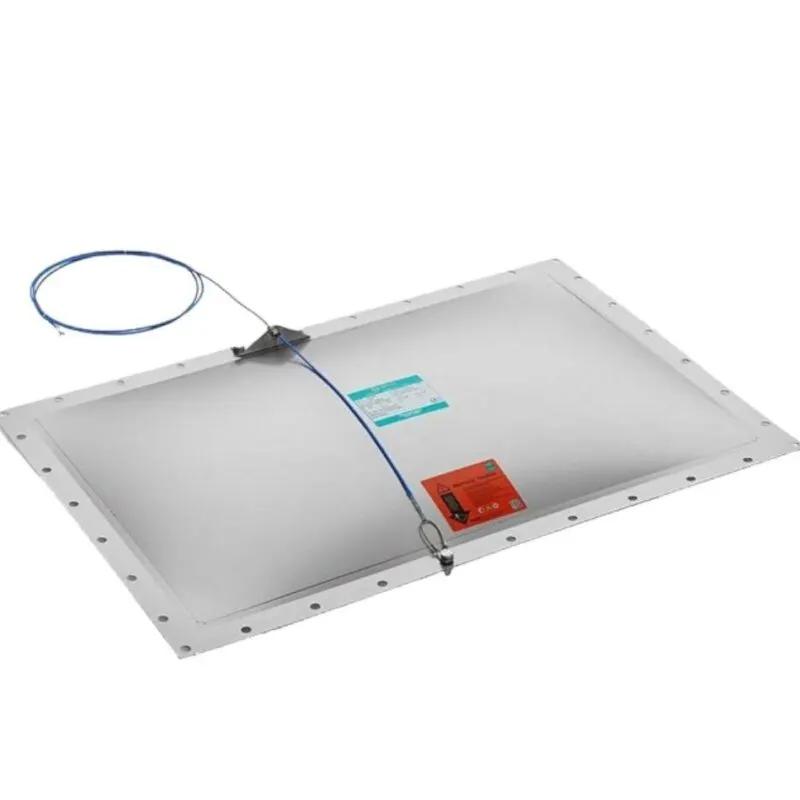





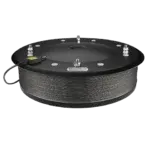
Flame-Free Ventilation Chimney
14 June 2024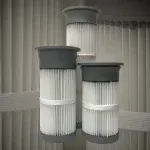
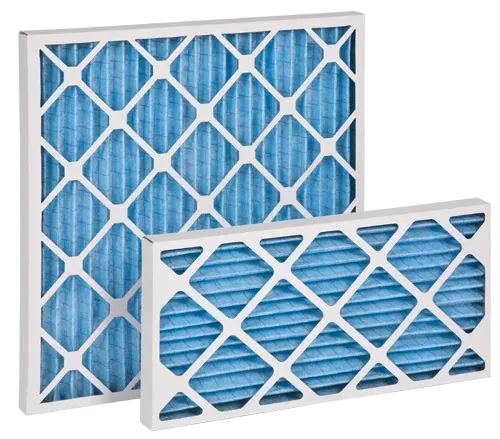
Pleated Bag Filter
18 February 2025
Pulse Valve Diaphragm
A pulse valve diaphragm is a type of valve generally used to control the flow of liquid or gas. This diaphragm plays an important role in the opening and closing processes of the valve. Below you can find more information about pulse valve diaphragm:
Features of Pulse Valve Diaphragm
- Material: Usually made of elastomer or plastic, which increases durability.
- Precise Control: Allows precise control of the flow.
- Sealing: Provides a good seal, thus helping to manage flow safely.
- Pressure Resistance: Designed to withstand a certain pressure.
A pulse valve is a type of valve used to control the flow of liquid and gas. This valve operates with a diaphragm usually made of elastomer or plastic. The diaphragm plays an important role in the opening and closing mechanism of the valve.
working principle
The diaphragm is moved by a mechanism in the valve body. When the valve opens, the diaphragm lifts up and allows flow. When the valve closes, the diaphragm closes, stopping the flow.
- Diaphragm Structure: Made of flexible material. It controls the passage of fluid.
- Actuator Mechanism: The diaphragm is moved by an actuator. This actuator can be electric, pneumatic or hydraulic.
- Opening and Closing:
- When opened: The actuator lifts the diaphragm up, allowing flow.
- When closed: The diaphragm retracts and flow stops.
- Leak-tight: The diaphragm fits tightly inside the valve, preventing fluid from leaking.
Pulse valve diaphragms are produced in various types according to different materials and designs. Here are the most common types of pulse valve diaphragms:
- Types According to Material:
- Elastomer Diaphragms: Made of flexible materials such as rubber or silicone. It is generally durable and chemically resistant.
- Plastic Diaphragms: Produced from plastic materials such as polypropylene or PTFE. It offers high resistance to chemicals.
Usage Areas of Pulse Valve Diaphragm
The Patlaç valve diaphragm is used as a crucial component in various industrial applications.
Here are the main areas of use:
- Dust Collection Systems:
- Filtering and control of industrial dust.
- Chemical Industry:
- Safe transportation and management of chemicals.
- Food and Beverage:
- Hygienic flow control and production processes.
- Medical Equipment:
- Management of sterile liquids and gases.
- Air Purification Systems:
- To improve ambient air quality.
How does the pulse valve work?
Choosing a Pulse Valve Diaphragm by Industry
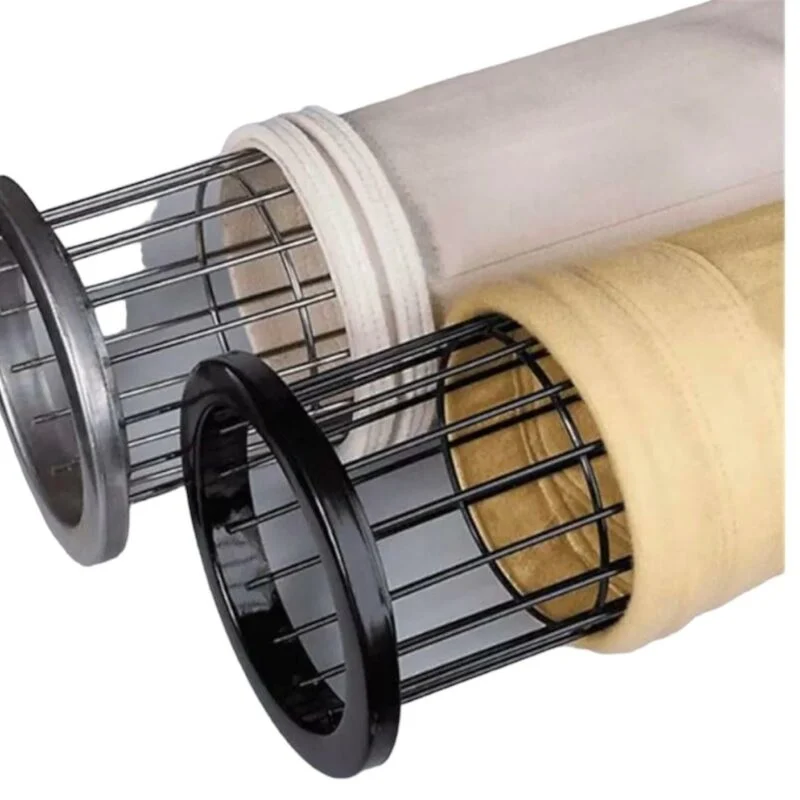
In dust collection systems, the pulse valve sends a compressed air pulse to the filter bags or cartridges. The diaphragm is the part that opens and closes to give this pulse, and it is one of the most frequently replaced spare parts. The diaphragm material is mostly selected according to temperature and the quality of the compressed air.
| Industry | Role of the diaphragm | Selection point |
|---|---|---|
| Cement and mining | Gives frequent cleaning pulses under a heavy dust load | Diaphragm resistant to frequent cycling, spare stock |
| Foundries | Continues cleaning in a filter in a hot environment | If the valve body is in a hot zone, an elastomer suited to high temperature |
| Asphalt plants | Cleans the bags in a hot gas filter | Temperature and oily air |
| Food production | Cleans the bags in flour and sugar filters | Dry and oil-free compressed air |
| Chemicals | Performs cleaning in chemical dust filters | Resistance to chemical vapor in the environment |
| Filters in open areas | Continues cleaning in cold weather | Material that does not harden at low temperature, a moisture separator on the line |
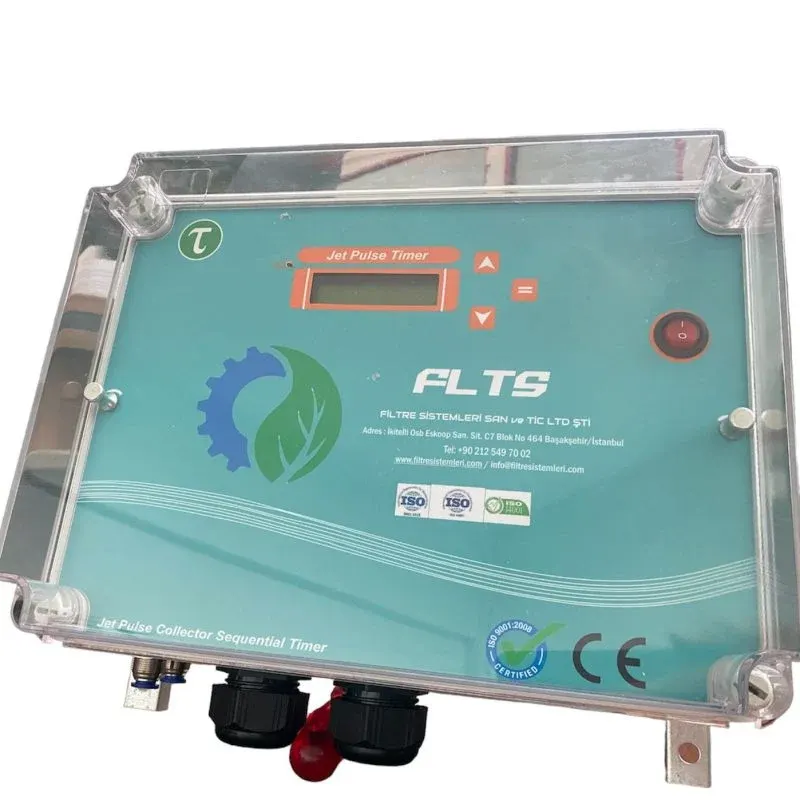
For the electronics that trigger the diaphragm, see the pulse valve control panel page, and for the unit in which the valves are installed, see the jet pulse bag filter page.
Information to Prepare When Ordering a Pulse Valve Diaphragm
- Brand and model of the valve (from the label on the valve body).
- Connection size of the valve.
- Whether the diaphragm is single or double.
- Temperature at the valve's location.
- Whether there is oil or moisture in the compressed air.
- Number of valves in the system and the number of spares to be kept in stock.
- A photo of the old diaphragm.
How Is a Diaphragm Failure Recognized?
- A sound of air leaking is heard while the valve is closed.
- The cleaning pulse is weak or not heard at all.
- The differential pressure of the filter rises and does not fall.
- The compressor starts more often than before.
Distinguishing a diaphragm failure from a pilot and control failure
A weak cleaning pulse does not always come from the main diaphragm. A pilot valve that does not vent, a control signal that does not arrive, or a tank pressure that cannot recover during the pulse can give a similar result. The inspection is carried out together with the valve's brand and model information and the manufacturer's maintenance manual.
| Observed condition | Points to inspect together |
|---|---|
| No pulse on a single valve | Control output, coil/pilot function and the diaphragm of the valve concerned. |
| Weak pulse on several valves | Air supply, tank pressure at the moment of the pulse and the cleaning sequence. |
| Air leak continues even though the signal has stopped | Closing of the pilot, the seating surface of the diaphragm and the repair kit suited to the model. |
If the valve cover is to be opened, the power and compressed air are safely isolated and the stored pressure is released. Electrical and control measurements are made by competent maintenance personnel.
Frequently Asked Questions
Does a click from the coil show that the pulse valve is sound?
A click may show that the electric pilot is moving; it does not by itself prove that the main diaphragm opens correctly and that sufficient air pulse is produced. The pilot venting, the tank pressure during the pulse and the response of the main valve are checked together.
Why can an air leak continue even though a new diaphragm has been fitted?
A wrong repair kit or fitting orientation, dirt or damage on the seating surface, or a pilot that does not close can keep the leak going. The part and installation suited to the valve model are verified; the leak is not addressed by arbitrarily increasing the pressure or pulse duration.
- Category
- Filter Spare Parts
- Made in
- İkitelli OSB, Istanbul, Türkiye
- Updated