




Slide Gate / Knife Gate Valve
30 October 2025
Antistatic Cartridge Filter
11 August 2026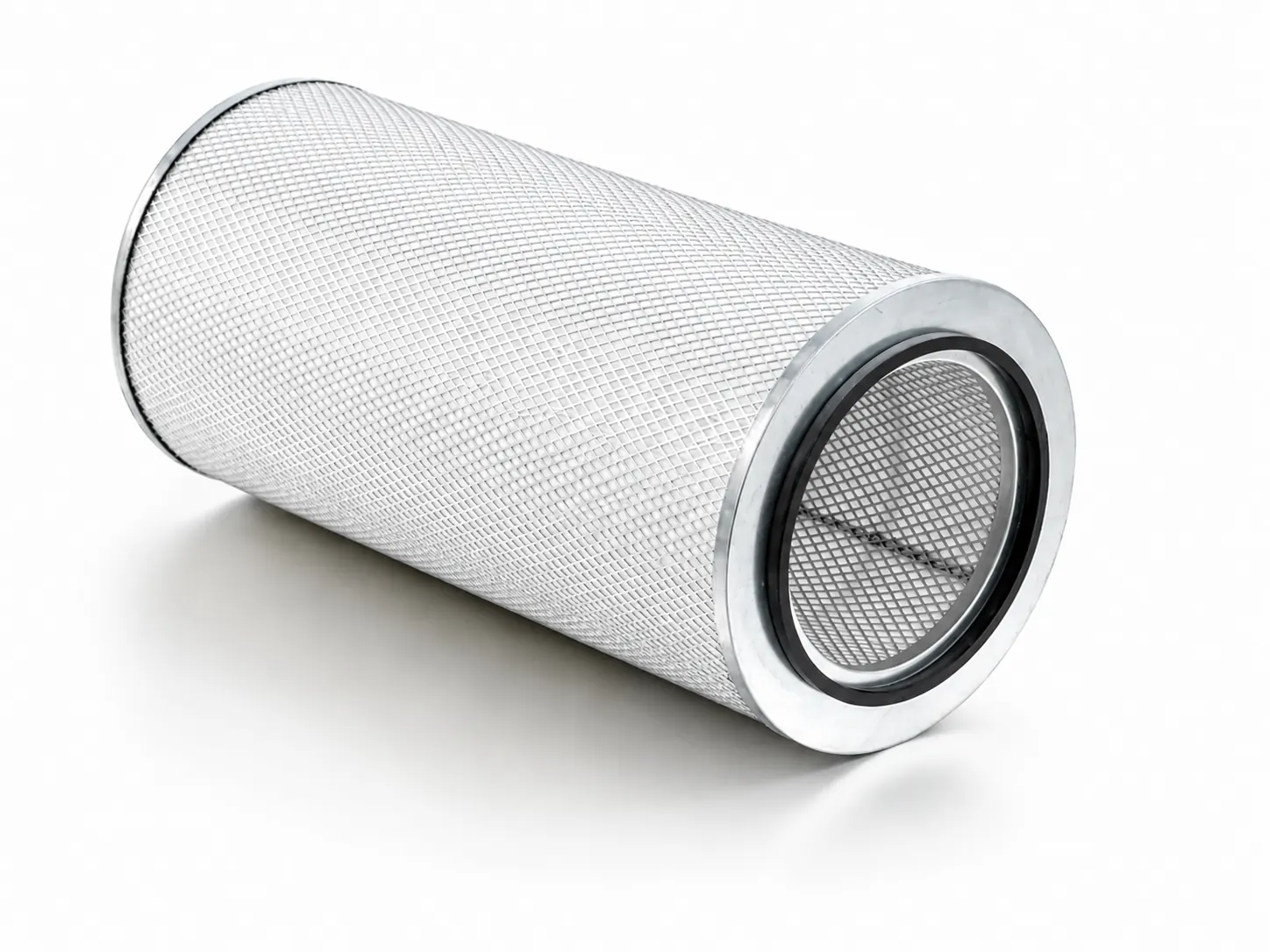
Sandblasting Dust Filter
Sandblasting dust filters remove paint, rust and coating dust together with fractured abrasive from blast-room and machine air. Air is extracted, filtered and discharged to the workshop or outside; pulses drop collected dust into a hopper and keep visibility clear.
In steel fabrication, foundries, automotive plants, machinery manufacturing and shipyards, insufficient filtration obscures vision, weakens extraction, clogs cartridges and spreads dust. FLTS custom-builds and upgrades systems for enclosure volume, abrasive and dust load.
- Cartridge or bag selection for the dust load
- Automatic pulse-jet cleaning
- Preseparator and cyclone for coarse particles
- Design coordinated with fan and ducts
What Is a Sandblasting Dust Filter?
A sandblasting dust filter separates dust and particles from blasting air. It is also called a blasting machine or blast-room filter. High-speed abrasive removes paint, rust and coatings; some abrasive also fractures into dust. The resulting dust is concentrated, fine and abrasive.
Dust remaining in the enclosure obscures the operator’s view and prevents inspection of the cleaned surface. If it escapes, it contaminates the workshop, machines and electrical panels; unfiltered atmospheric discharge causes emission problems. The filter extracts dusty air, captures particles and discharges cleaned air under control. Collected dust enters a container, hopper or discharge system.
Blast-Room and Blasting Machine Filters
In blast rooms, the operator or workpiece is inside a large enclosure. Filter airflow is sized for the room volume and cross-sectional air velocity, carrying dust away from the operator. Wheel and tumble blasting machines have smaller volumes but high dust concentrations; filter selection follows their extraction ports and abrasive separator. In both cases, the filter is an integral part of the blasting equipment.
How Does a Sandblasting Filter Work?
A fan draws dusty air from the room or machine through a duct into the filter. A typical flow sequence is:
- Blasting takes place in the enclosure; dust enters the extraction duct.
- Where abrasive recovery is provided, the separator removes reusable abrasive from dust and returns it to use.
- If required, a preseparator or cyclone captures coarse, heavy particles.
- Dusty air passes through the filter elements; dust remains on their surfaces.
- Cleaned air is discharged through the fan.
- Compressed-air pulses dislodge dust from the elements into the collection hopper.
Industrial units use pulse-jet cleaning. Pulse valves deliver short compressed-air bursts at intervals to remove the dust layer and maintain permeability. Sequence and interval can be adjusted according to differential pressure across the filter.
Types of Sandblasting Filters
Filter type depends on enclosure or machine capacity, dust load, abrasive, airflow and operating time. The table compares three common arrangements.
| Arrangement | Filter element | Suitable application | Key consideration |
|---|---|---|---|
| Cartridge dust collector | Pleated cartridge | Compact enclosures, limited space, moderate dust load | Inlet velocity and preseparation for abrasive dust |
| Baghouse dust collector | Filter bag and cage | Large enclosures, high dust load, long operating hours | Bag material and cleaning cycle |
| System with preseparator | Cyclone or settling box + cartridges or bags | Coarse particles, sand and mould residue | Include preseparator pressure drop in fan sizing |
Cartridge Sandblasting Filters
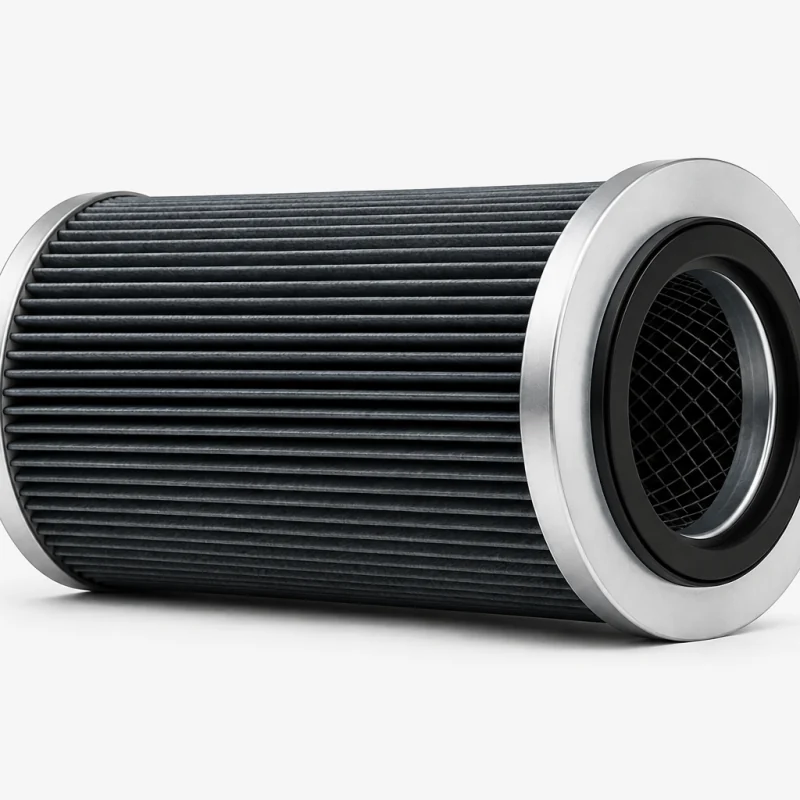
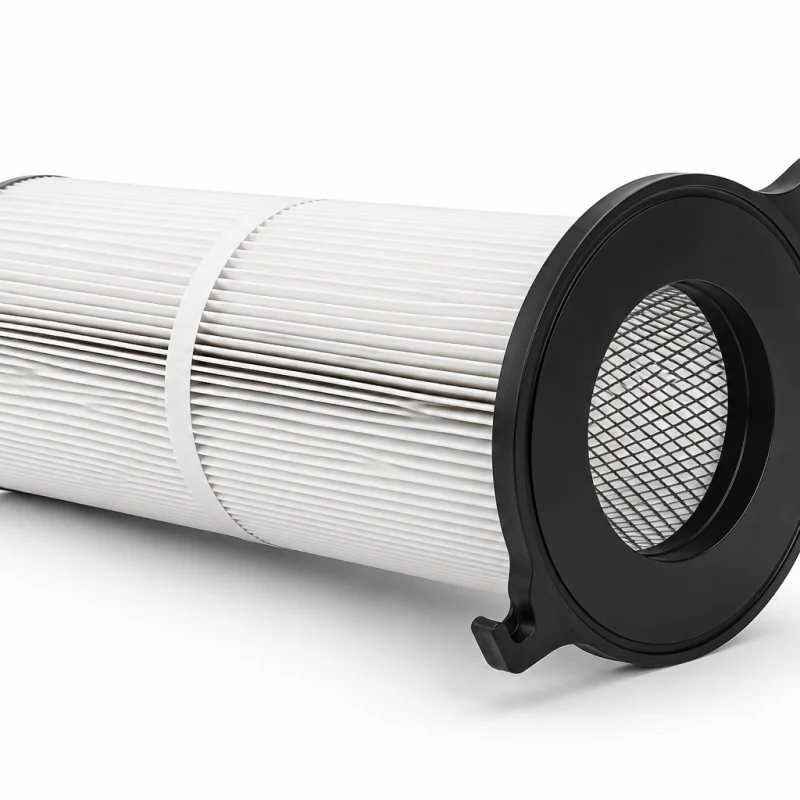
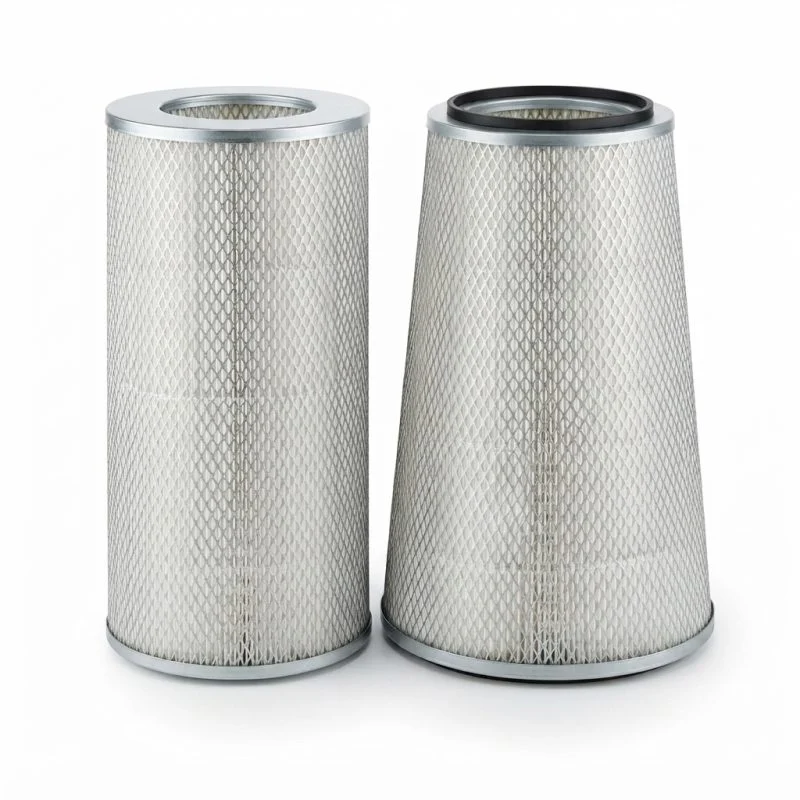
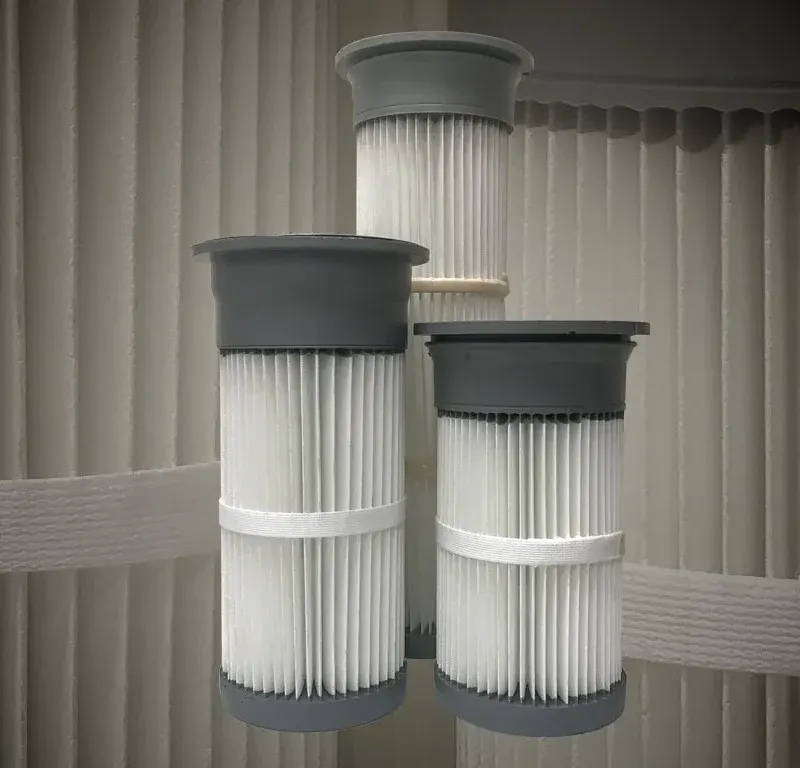
Pleated cartridges provide a large filter surface in a small volume, useful for limited space and moderate dust loads. Compressed-air cleaning is automatic. Pulse-jet cartridge filters are common in blasting enclosures. Keep inlet velocity low for abrasive dust and fit an impact plate at the inlet.
Baghouse Sandblasting Filters
Baghouses suit high-capacity, heavily loaded applications. Bags fit over cages and retain dust outside. For continuous, high-dust blasting, a pulse-jet bag filter may suit better than cartridges. Selection depends on abrasive type and daily running time.
Systems with Preseparation
For foundry castings producing coarse sand and mould residue, install a cyclone or settling box ahead of the filter. Coarse particles separate first, leaving fine dust for the filter; element wear and cleaning frequency decrease.
Filter Element and Material Selection
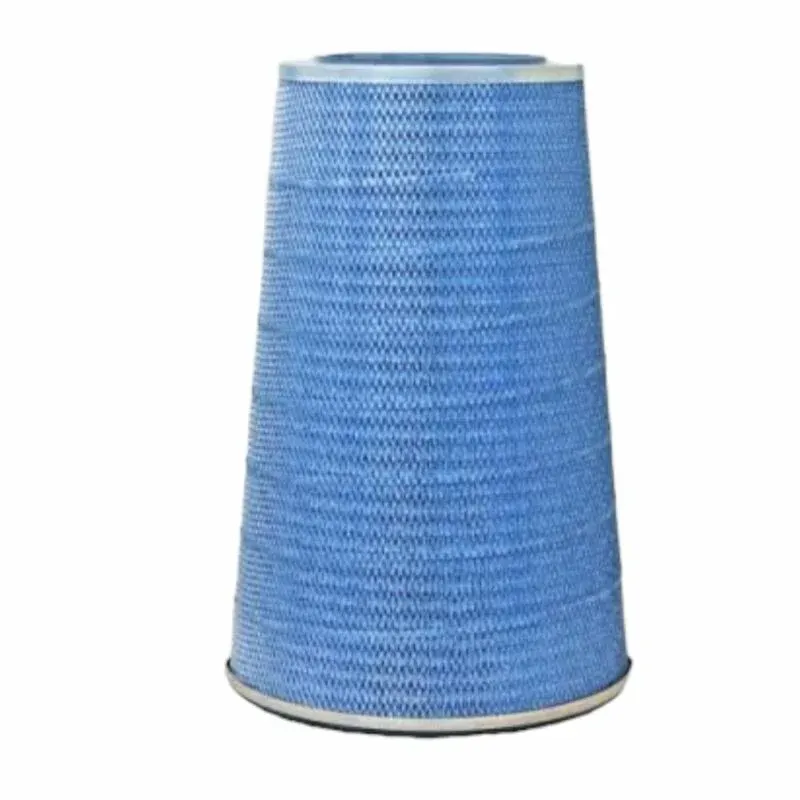
Select material for the dust. Blasting dust is generally dry and abrasive but may be oily or damp depending on the removed coating. Bag systems commonly use polyester filter bags. Combustible metal dust requires consideration of antistatic polyester or cartridges. Surface-treated materials are used where moisture or oil is a risk.
Pleat design also matters. Closely spaced pleats increase area but may clog with heavy, coarse dust; wider pleats or bags may be preferable. Adequate area limits filtration velocity and element loading for either type.
What to Consider When Selecting a Sandblasting Filter
Selection involves the whole system’s operating conditions, beyond physical dimensions:
- Airflow: Determine extraction from enclosure volume and cross-sectional velocity.
- Dust load: Gun or wheel count and running time determine capacity.
- Particle properties: Size, density and abrasiveness affect element selection.
- Abrasive: Steel shot, grit, sand or glass beads affect system design.
- Filtration area: Sufficient area controls velocity and element loading.
- Cleaning system: High dust loads require automatic pulse-jet cleaning.
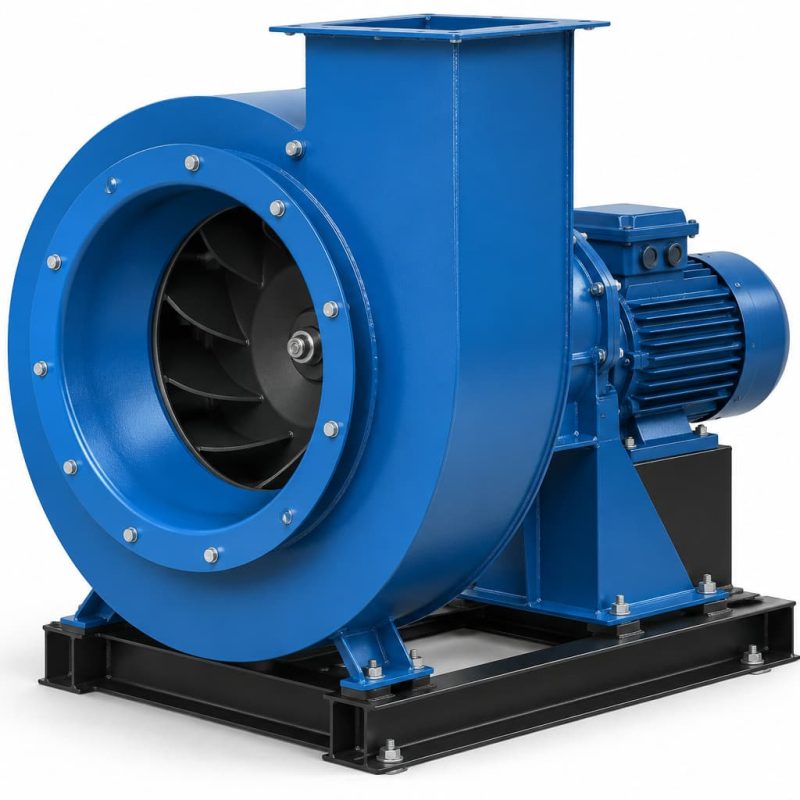
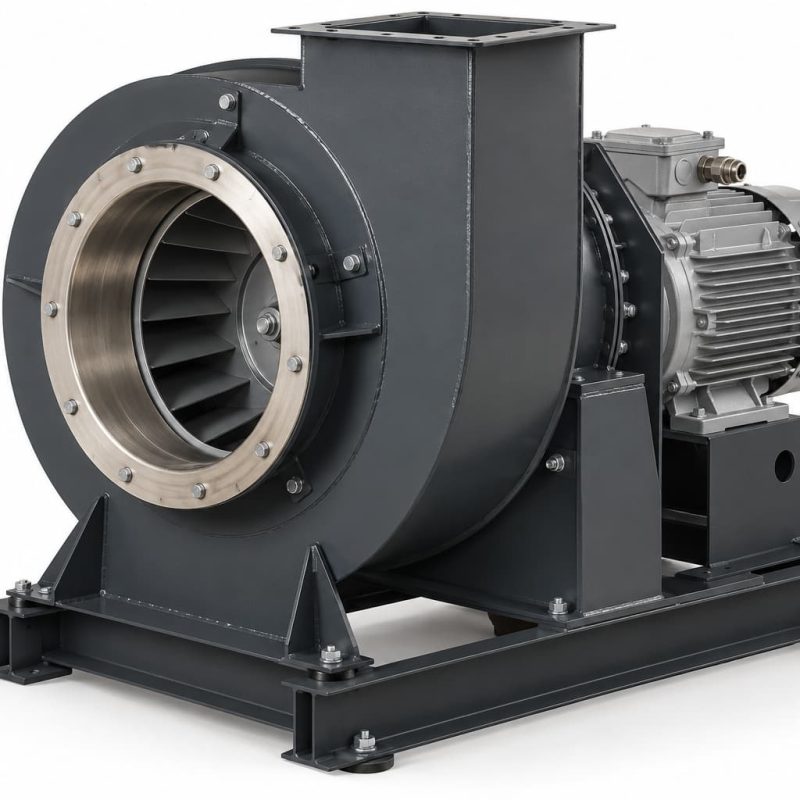
- Fan capacity: Size the fan to overcome resistance with dirty filters.
Insufficient capacity reduces extraction, creates a dust cloud and rapidly clogs elements. Assess long-term operating performance as well as purchase price.
Design and Manufacturing
Each blasting machine needs an application-specific system. Capacity, enclosure dimensions, airflow, dust quantity and abrasive determine the unit. Cartridges or bags, fan, ducts and discharge equipment are designed together.
Airflow direction is also part of the design. Fresh-air inlets and extraction points carry dust away from the operator. Existing systems can receive increased capacity, a different filter type or replacement elements. Increasing filter area or adding a preseparator often resolves rapid cartridge loading.
Installation and Maintenance
Connect the unit with a short duct and few bends. Size ducts to prevent settling. Keep collection and discharge points accessible. Fit a dryer and air-treatment unit because damp compressed air causes dust to adhere to bags and cartridges.
Regular maintenance checks include:
- Element condition and connection sealing.
- Differential pressure across the filter.
- Compressed-air line and treatment unit.
- Pulse valves, pulse valve diaphragms and solenoid valves.
- Fan, motor and extraction ducts.
- Dust-container fill level.
Overloading shortens element life and increases energy use. If differential pressure remains high, review cleaning settings, compressed-air quality and element selection together.
What Determines the Price?
Sandblasting filter prices are application-specific. Main factors are airflow, filter area, cartridges or bags, preseparation, fan power and automation. Antistatic elements, explosion protection and stainless surfaces increase cost.
Include operating costs. An undersized filter may cost less initially but require frequent elements, more compressed air and shutdowns. Enter enclosure dimensions, abrasive and operating time in the quotation form for an application-specific offer.
Choosing a Sandblasting Dust Filter by Industry and Abrasive
The load on a sandblasting dust filter varies with the abrasive used and the coating removed. A blasting booth removing rust with steel grit and a booth cleaning aluminum parts do not work with the same filter. The table below shows the differences that stand out by industry.
| Industry | Role of the filter | Selection point |
|---|---|---|
| Steel construction | Capturing rust, old paint and grit dust | High dust load, protection against wear at the inlet |
| Foundry | Separating sand and mold residue dust | A cyclone upstream for coarse particles, a bag option instead of a cartridge |
| Automotive and wheel refurbishing | Collecting dust produced when removing paint and coatings | Fine paint dust, frequent cleaning cycle |
| Aluminum and light metals | Capturing combustible metal dust | Antistatic cartridge filter, grounding and explosion safety |
| Ship and tank surface preparation | Extracting dust in a large booth or enclosed area | High flow, decision on mobile or fixed unit |
| Machine manufacturing | Collecting dust during surface cleaning before painting | Flow according to booth volume, compatibility with abrasive recovery |
Information to Prepare When Requesting a Quotation for a Sandblasting Dust Filter
The blasting booth and the filter are sized together. If the information below is ready, the suitable filter type and surface can be determined at the first meeting.
- Internal dimensions of the blasting booth or machine and the number of doors.
- Abrasive used (such as steel shot, grit, garnet or glass beads) and the material being blasted.
- Type of coating being removed (rust, paint, galvanizing, mold sand).
- Number of guns or turbines operating at the same time and daily operating time.
- Whether the abrasive is recovered and where dust and abrasive are separated.
- If there is an existing filter, the cartridge or bag size and replacement frequency.
In booths with a high dust load and continuous operation, a bag unit may be more suitable than a cartridge one. This decision is made by looking at the abrasive and the operating time.
Frequently Asked Questions
Should I choose cartridges or bags?
Cartridges suit compact rooms and moderate dust loads. Bags may suit continuous operation with high loads and coarse particles.
Why do cartridges clog quickly?
Possible causes include insufficient area, no preseparation or damp compressed air. Also check cleaning settings and element type.
How does abrasive recovery affect the filter?
The recovery separator removes reusable abrasive from dust, reducing the quantity and coarseness of dust reaching the filter and lowering element loading.
Is a cyclone necessary?
It is recommended for coarse sand, mould residue or heavy abrasive debris. Removing coarse particles reduces element wear.
When should the filter be serviced?
Monitor differential pressure continuously. Check cleaning and elements when it rises, and empty the hopper regularly.
Can a new filter be fitted to an existing blast room?
Yes. Enclosure dimensions, abrasive and existing fan details allow selection of a suitable unit and redesign of the duct connection.
- Category
- Filter Cartridges
- Made in
- İkitelli OSB, Istanbul, Türkiye
- Updated