


How to Choose the Right Dust Collection System (Comprehensive Guide)
Dust collection systems are an essential element for maintaining air quality and supporting occupational health in industrial and manufacturing environments. This guide offers comprehensive information on how to choose the right dust collection system.
Overview of Dust Collection Systems
To meet health and safety standards in industrial environments and to increase operational efficiency, it is very important to understand and apply dust collection systems correctly. In this section, we will cover the basic operating principles, types and industrial applications of dust collection systems.
Operating Principle of Dust Collection Systems (Working Mechanism)
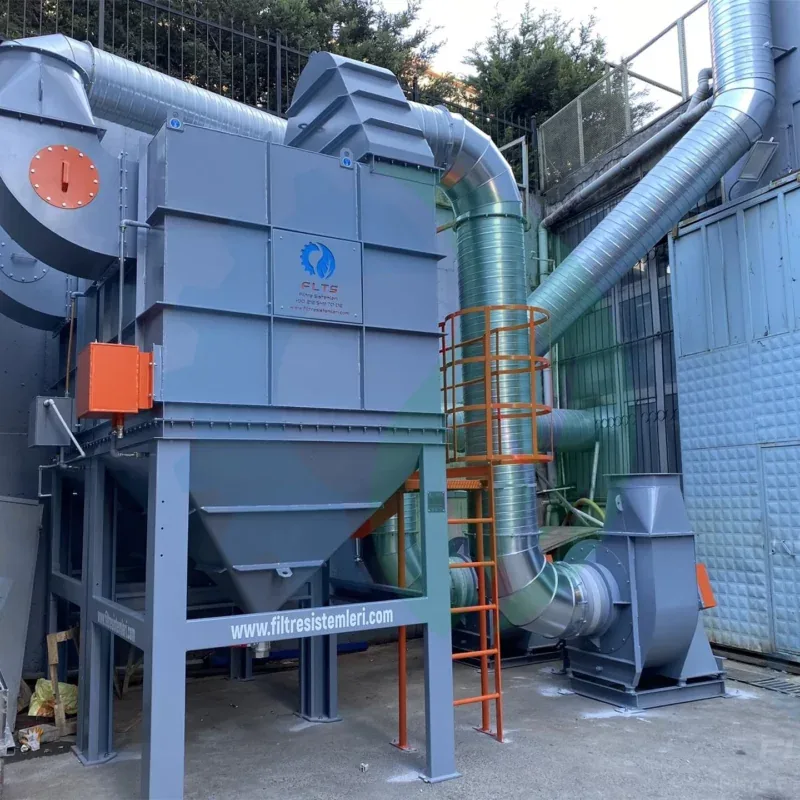
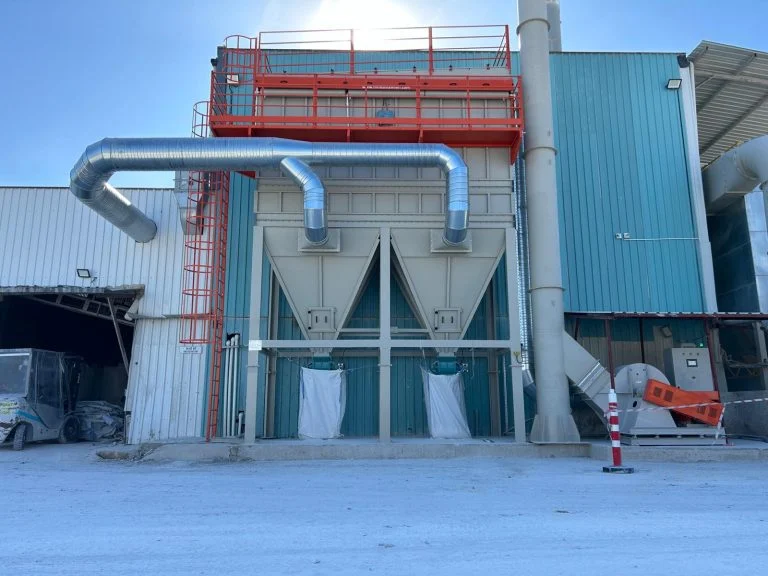
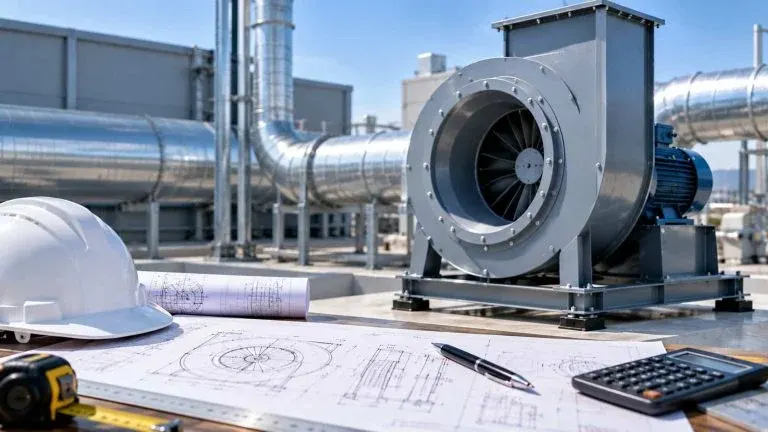
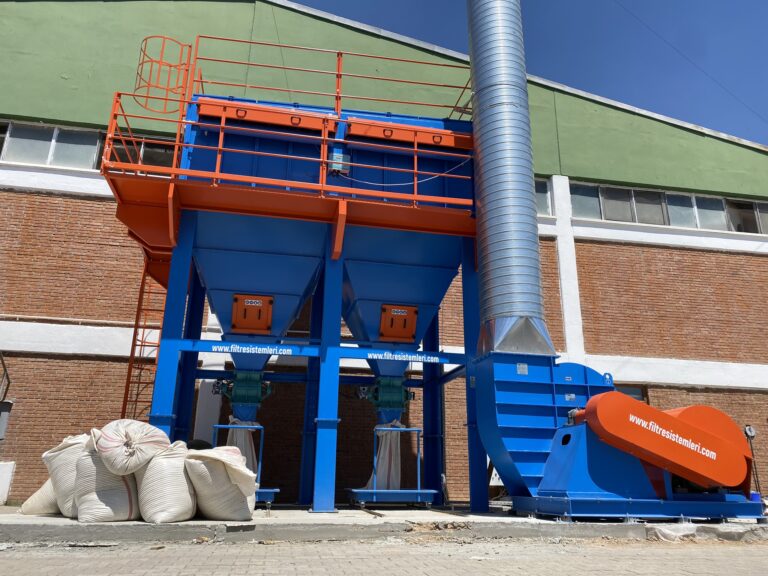
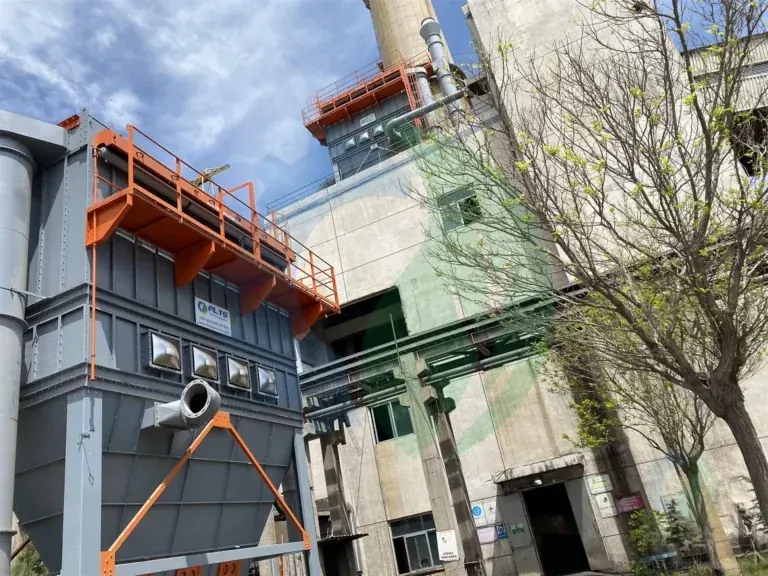
Dust collection systems use various filtration and suction techniques to capture solid particles in the air. These systems generally consist of a suction fan, a filter section and a dust collection hopper. Air is drawn in from the dusty environment and cleaned by the filters, after which the clean air is returned to the surroundings. Understanding this process plays a critical role in optimizing the efficiency and operating conditions of the system. An effective dust collection system greatly improves air quality in the workplace and reduces dust-related health risks.
Different Dust Collection Systems (Layout Type, Filtration Technology)
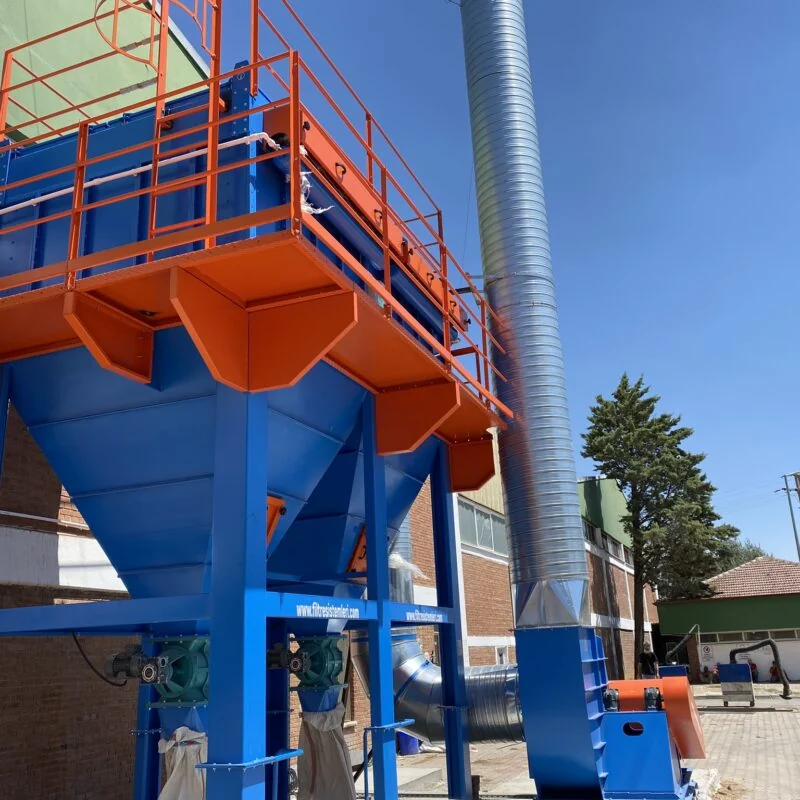
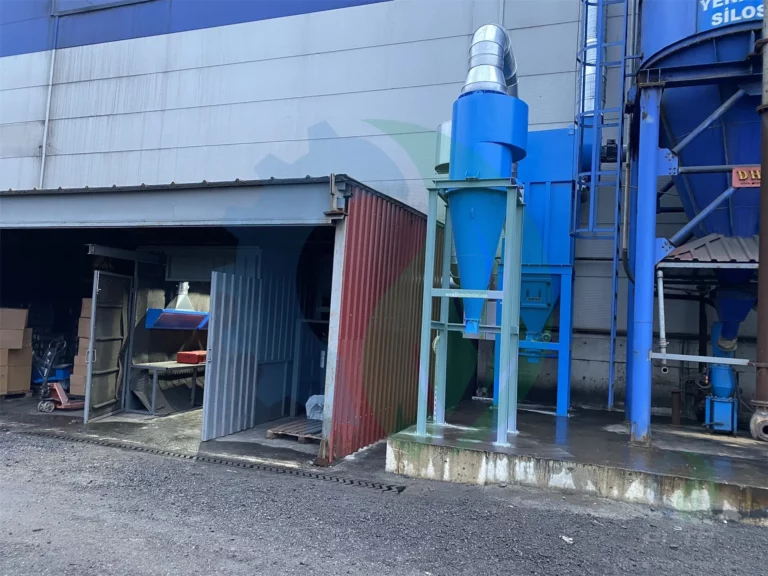
Depending on their layout, dust collection systems can be mobile or stationary. Mobile systems offer flexible use, while stationary systems provide dust control at larger capacities. In terms of filtration technology, Water Filter systems, Jet Pulse Cartridge Filter and bag filters are among the most widely used technologies. The advantages and disadvantages of each technology should be evaluated according to the sector in which it will be applied and the specific needs. The choice of layout type and technology may vary depending on the size of the space, the type of dust and the processing capacity.
Industrial Applications of Dust Collection Systems (Industrial Use, Sector Examples)
Every industry has different dust collection needs. For example, the woodworking industry prefers Jet Pulse Bag Filter systems to filter large particles, while the metalworking sector can use high-efficiency jet pulse filter systems to keep fine metal dust under control. Correctly defining these specific needs is very important when selecting the most suitable dust collection systems. Sectors such as the automotive, food processing and chemical industries also need specific dust collection systems, so choosing the right system is a critical decision point for production efficiency and employee health.
Key Features to Consider When Choosing a Dust Collection System (Selection Criteria)
The choice of a dust collection system has a direct impact on a business’s efficiency and on employee health. In this section, we will examine the key features to consider, from system capacity to filtration technology and from energy efficiency to operating costs. Each of these factors plays a decisive role in the overall performance of the dust collection system, and a detailed evaluation is therefore necessary to make the right choice.
System Capacity and Sizing
The capacity of a dust collection system must be determined according to the airflow rate and dust load the business requires. Calculating the capacity correctly directly affects system efficiency and energy use. A system with insufficient capacity can cause the filters to clog quickly and energy costs to rise, which reduces the overall efficiency of the business. It is therefore vital to analyze the business’s requirements correctly and to choose a system capacity that suits them.
Choosing the Filtration Technology (Filter Types, Efficiency)
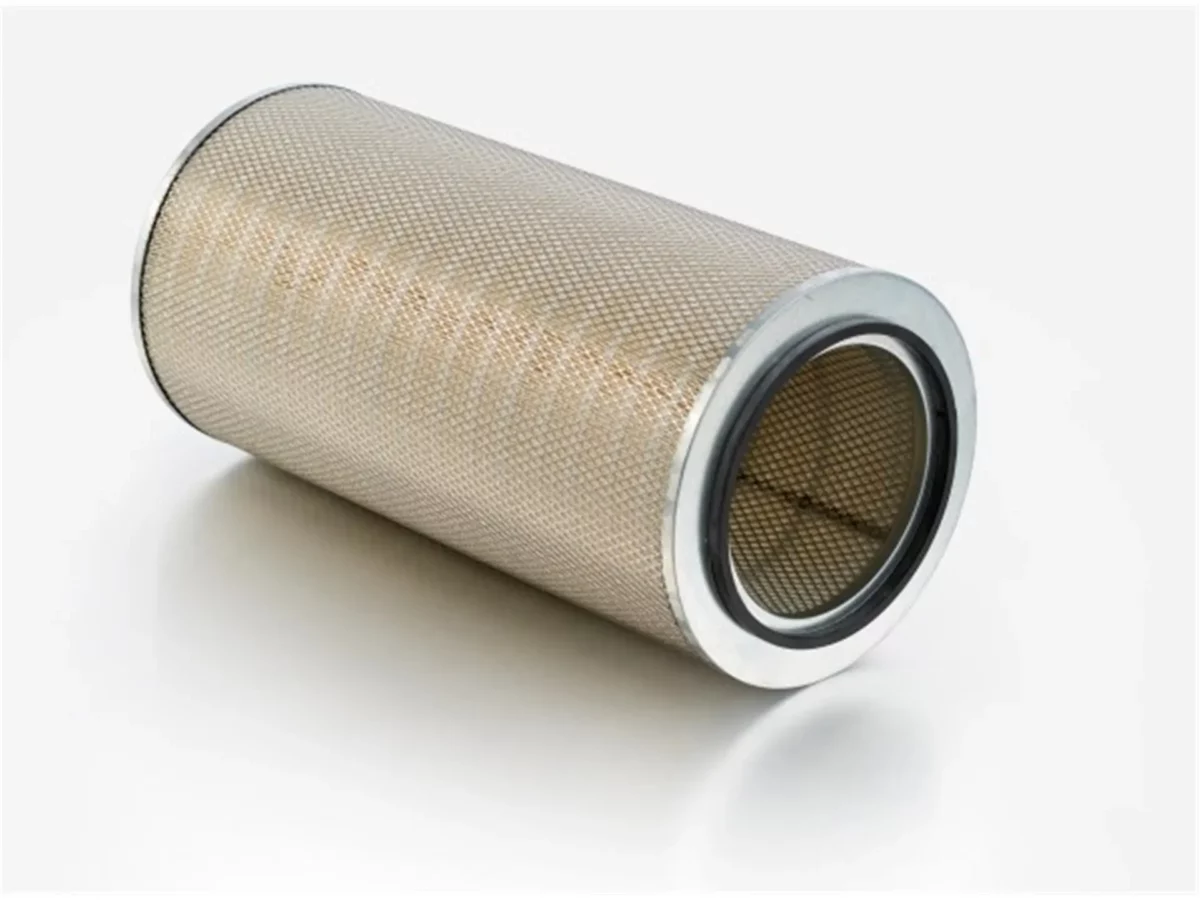
The filtration technology should be chosen according to the type of dust to be collected. High-efficiency filters should be preferred for fine dust, and filters with wider pores for larger particles. The filter should be selected by taking into account the physical properties of the dust and its potential for harm. In addition, the durability of the filter materials and ease of maintenance should also be considered.
Energy Efficiency and Operating Costs (Energy Consumption, Cost Analysis)
The energy efficiency of a dust collection system can significantly affect operating costs. Systems with low energy consumption provide cost savings in the long term. Systems with high energy efficiency should also be preferred in terms of environmental sustainability. Cost analysis should comprehensively evaluate operating and maintenance costs as well as the initial investment.
Dust Collection System Installation and Maintenance (Installation Steps, Maintenance Tips)
The installation and maintenance of a dust collection system have a direct impact on the effectiveness and service life of the system. This section will cover proper installation processes, maintenance and repair strategies, as well as safety measures and legal requirements. Each of these topics is critically important for the successful and safe operation of the dust collection system.
The Importance of a Proper Installation Process
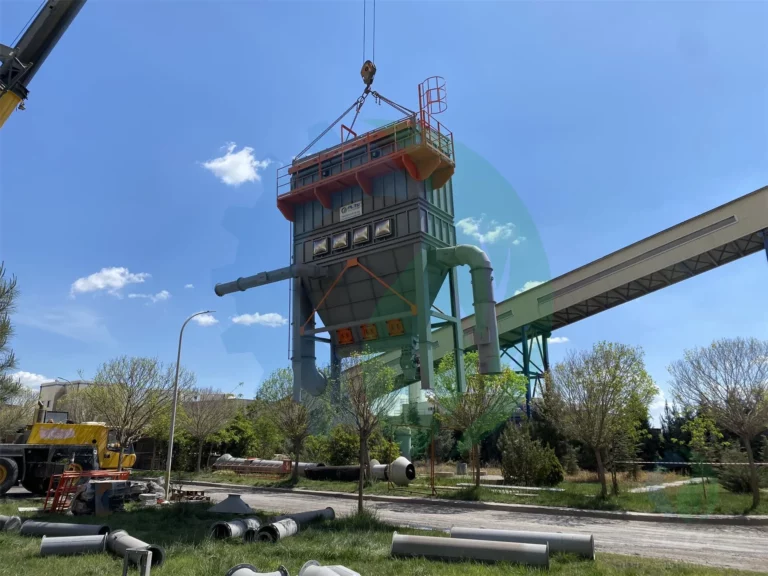
Installing the system correctly ensures maximum efficiency and safety. The installation process must be carried out in accordance with the manufacturer’s instructions and local regulations. Correct installation maximizes system performance and minimizes potential failures. During installation, factors such as the optimal placement of system components, air flow dynamics and accessibility should be taken into account.
Maintenance and Repair Strategies (Maintenance Routines, Repair Tips)
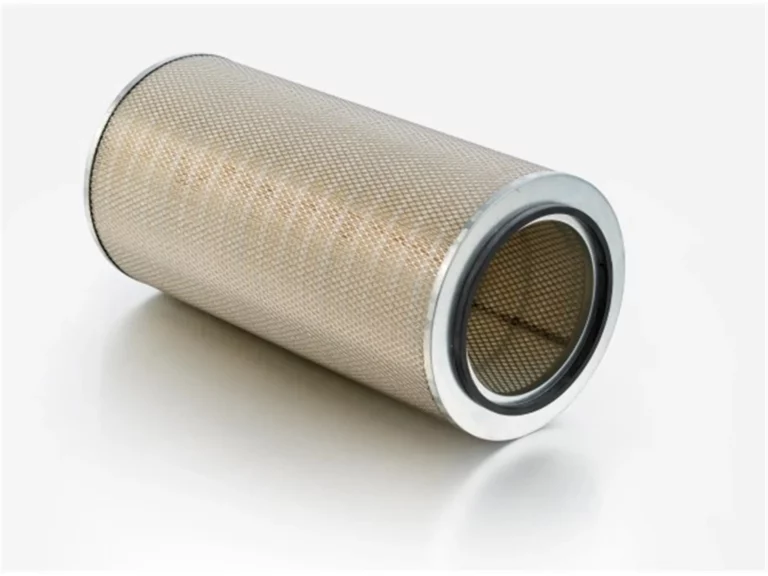
Regular maintenance extends the life of the system and minimizes failures. Periodic inspection of the filters and other components is critical for maintaining system performance. Maintenance routines should include filter replacement, motor and fan maintenance, and regular inspection of the control panels. In addition, repair protocols for emergencies and strategies for keeping spare parts in stock should also be developed.
Safety Measures and Regulations (Safety Standards, Legal Requirements)
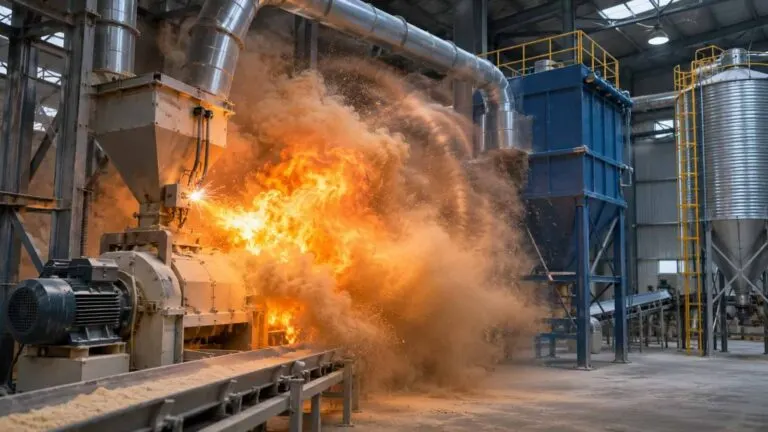
Dust collection systems are critically important in terms of occupational health and safety. The systems must be designed and operated in accordance with the relevant safety standards and legal requirements. Safety measures should be integrated into the system design and included in employee training programs. Compliance with legal requirements not only enables businesses to fulfill their legal responsibilities but also guarantees the health and safety of employees.
Comparison and Product Reviews (Best Products, Comparative Analysis)
In this section, we will evaluate the popular dust collection systems on the market and cover the price/performance analysis as well as user reviews and recommendations. This information will provide the comprehensive knowledge you need to choose the right product.
Popular Models on the Market and Their Features (Model Reviews, Feature Comparisons)
There are many different models of dust collection systems on the market. By comparing the features, efficiency and prices of these models, the most suitable choice can be made. In particular, understanding the differences between industry-specific models and systems designed for general use helps in choosing the solution that best fits the need. Model reviews should be based on criteria such as technical specifications, ease of use and durability.
Price/Performance Evaluation
The cost of a dust collection system should be directly proportional to its performance. Return on investment analysis helps determine the most profitable option in the long term. The total cost must be calculated by taking into account operating and maintenance costs as well as the initial costs. A cost-effective dust collection system can be more advantageous thanks to low operating and maintenance costs, even if it has a high initial cost.
User Reviews and Recommendations (Customer Feedback, Expert Opinions)
The opinions of other users and industry experts provide valuable information about the real-world performance of the system. User experiences give an idea about factors such as the durability of the product, ease of use and service quality. They also help you make an informed purchasing decision by providing information about possible problems and suggested solutions.
Frequently Asked Questions (FAQ)
How often do dust collection systems require maintenance?
The maintenance frequency of dust collection systems varies depending on the intensity of use and environmental conditions. In general, the systems should be inspected at monthly or quarterly intervals.
What are the most important factors to consider when buying a dust collection system?
Capacity, filtration technology, energy efficiency, initial and operating costs, and compliance with safety standards are the most important factors.
How are dust collection systems customized for different industries?
They are customized according to the specific needs of the industry, taking into account the type of dust, particle size and emission requirements. The system should be selected through a detailed analysis of these characteristics.
Dust arrestor systems are systems that keep dust and dirt under control in various industrial and commercial environments. These systems are generally used in different places, from large-scale production facilities to laboratories, and may consist of various components. Here are some of the commonly used dust arrestor systems:
-
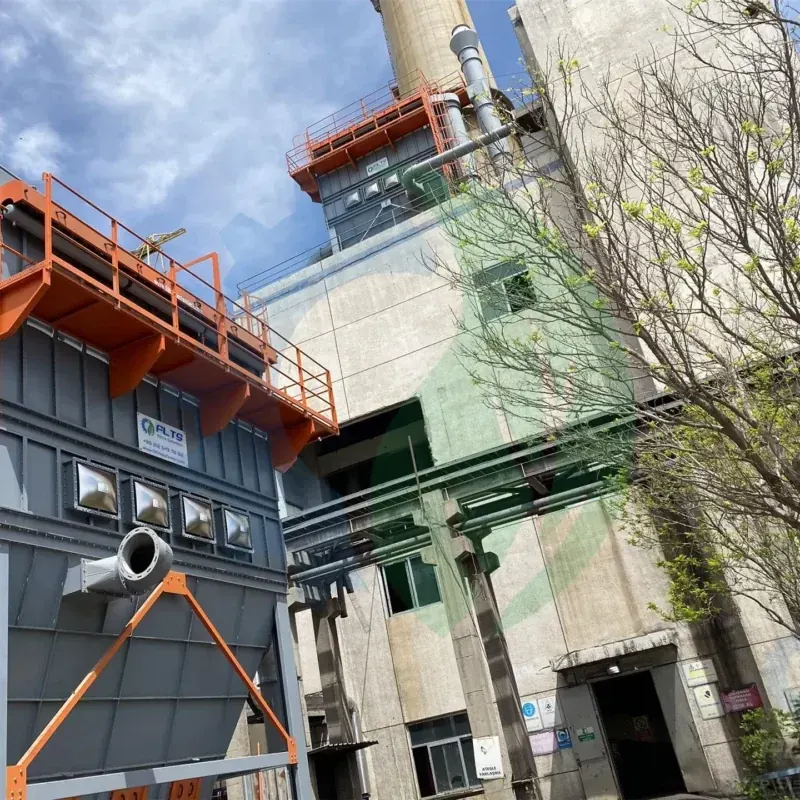
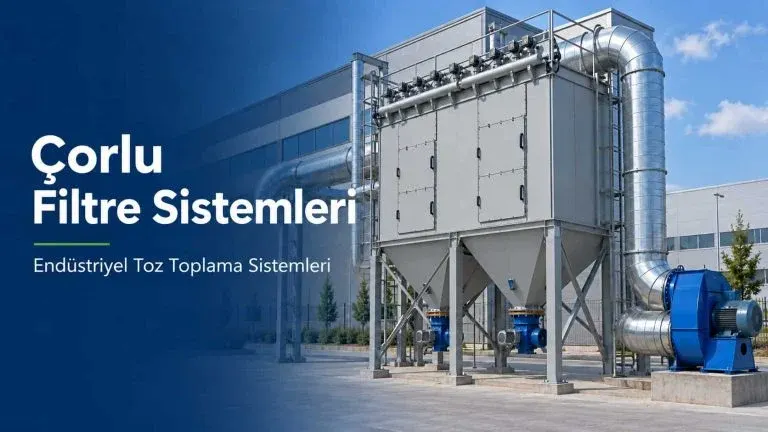
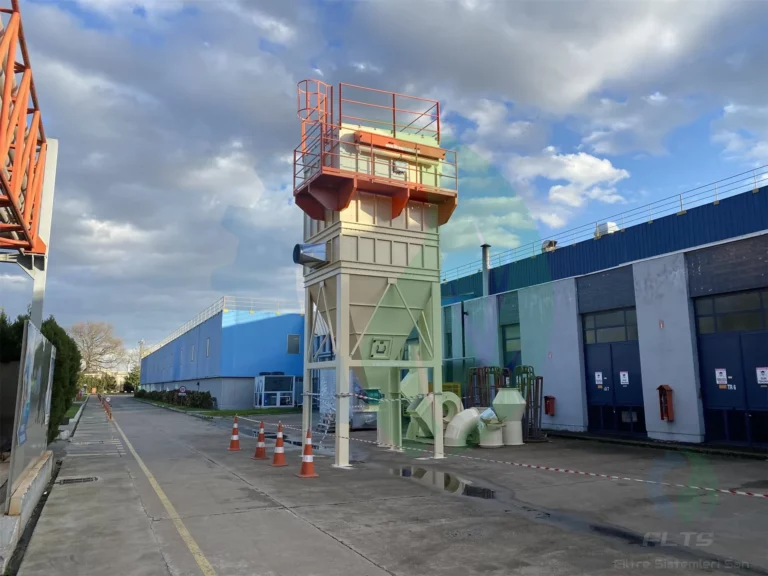
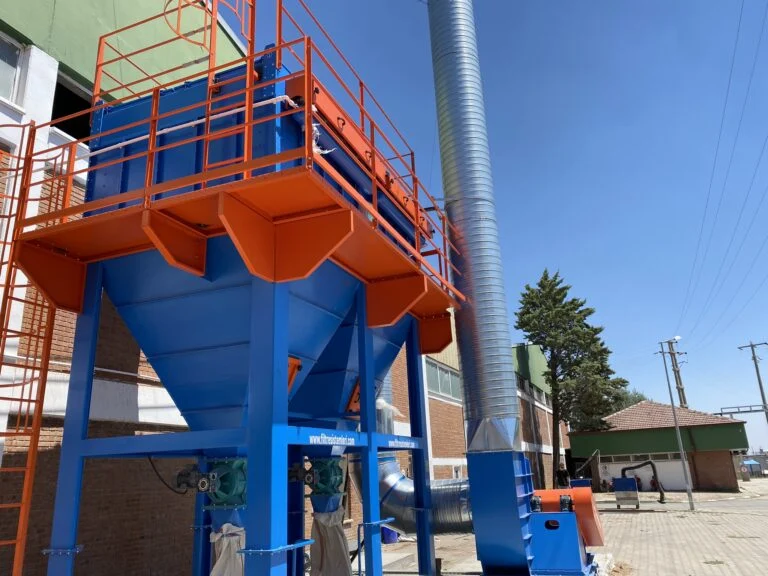
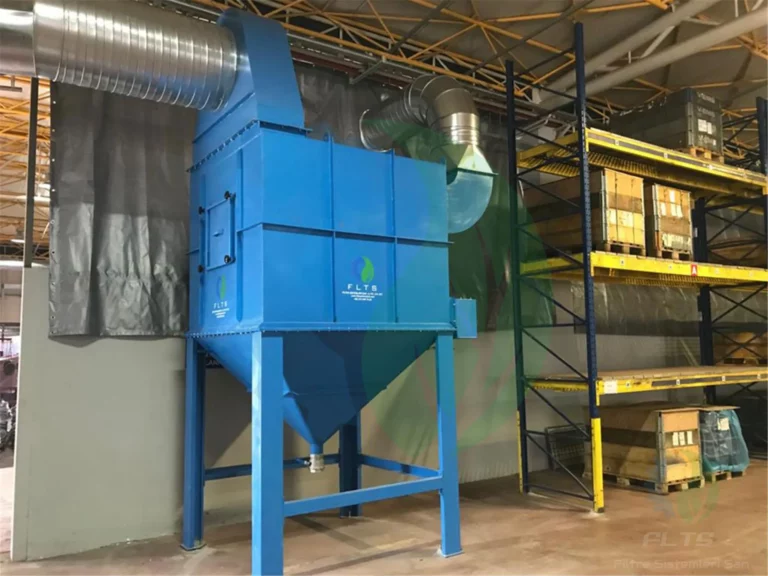
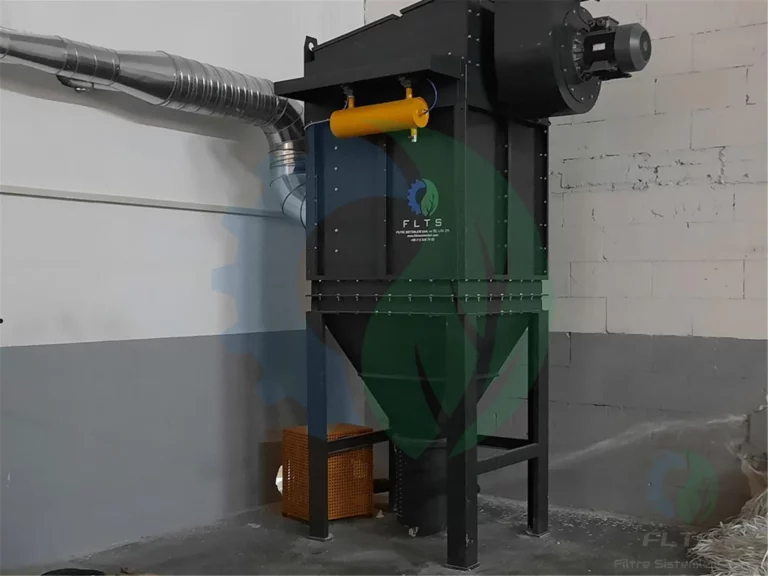
Dust Collection Units (Dust Collectors): These are dust arrestor systems widely used in industrial environments. They draw in large amounts of dust and release air that has been cleaned through filters. Dust collection units can generally be equipped with bag filters, cartridge filters or high-efficiency filter systems.
-
Dust Collection Bags and Filters: These are filters used in vacuum cleaners or industrial vacuum cleaning systems. They retain dust and dirt in the air flow and allow clean air to pass through. These filters must be cleaned or replaced regularly.
-
Dust Suppression Systems: These are systems generally used in outdoor work such as construction sites or mining. Dust suppression systems prevent dust from becoming airborne by using water sprays or chemical agents.
-
Air Cleaning and Filtration Systems: These are filters used in HVAC (Heating, Ventilation and Air Conditioning) systems. These systems are designed to improve indoor air quality and reduce the concentration of particulate matter.
-
Electrostatic Dust Collectors: This is a technology widely used especially in the metalworking industry. By creating high-voltage electrostatic fields, it attracts dust particles and deposits them on a collecting electrode.
-
Dust Extraction Systems: These are special machines used in manufacturing facilities, woodworking facilities or chemical processing facilities. These systems extract the dust and particles generated during processing and protect the health of employees during operation.
The purpose of dust arrestor systems is to keep dust and particles under control in work areas and thereby improve occupational health and safety standards. These systems play an important role both in protecting the health of employees and in increasing productivity.